Reviewed · TOURS
Contemporary art tour in Prague: the works of David Černý
A walk through Prague that talks back. This contemporary art tour uses David Černý street sculptures to show you a side of the city that most first-timers miss, while you cross urban art in Malá Strana, Staré Město, and Nové Město. I like that you do not just see objects, you get context for why this Czech artist became famous and how his work connects to modern life and culture.
Two things I really enjoyed: first, the chance to learn the story behind the art, including Černý’s political start during the Velvet Revolution era. Second, the way the guide keeps the pace steady over about 90 minutes, so you can actually enjoy the walk and the explanations without feeling rushed. The one drawback is language: the tour is French, so if you are not comfortable in French, you may miss some of the nuance.
In This Review
- Key takeaways before you go
- Why David Černý Turns Prague Into a Living Gallery
- Meeting on Kinsky Square, then Starting with the Right Mindset
- 90 Minutes of Art Hunting Through Malá Strana, Staré Město, and Nové Město
- What You See: Ten Urban Works, with One Likely Missing Piece
- The Velvet Revolution Connection: Why His Story Changes How You Read the Art
- How a Licensed French Guide Turns Stops into Real Understanding
- Price and Value: Is $19 Worth It for Prague Contemporary Art?
- Practical Tips for Rain or Shine and Real Comfort
- Who This Tour Is Best For (and Who Might Prefer Something Else)
- Should You Book This David Černý Tour?
- FAQ
- Where do I meet for the tour?
- What tram stop should I use to get to the meeting point?
- How long is the guided tour?
- What language is the tour guide?
- Is the tour outdoors, and does it run in rain?
- How much does it cost?
- What’s included in the price?
- What is not included?
- Will every artwork always be visible?
Key takeaways before you go
- Ten outdoor works in one route, spread across three historic districts, so you get variety without long travel time
- Contemporary and urban art in the middle of postcard Prague, which changes how you look at familiar streets
- A licensed Czech Ministry of Tourism guide, meaning the storytelling is structured and accurate
- Outdoor, weather-dependent walking, because the tour runs rain or shine
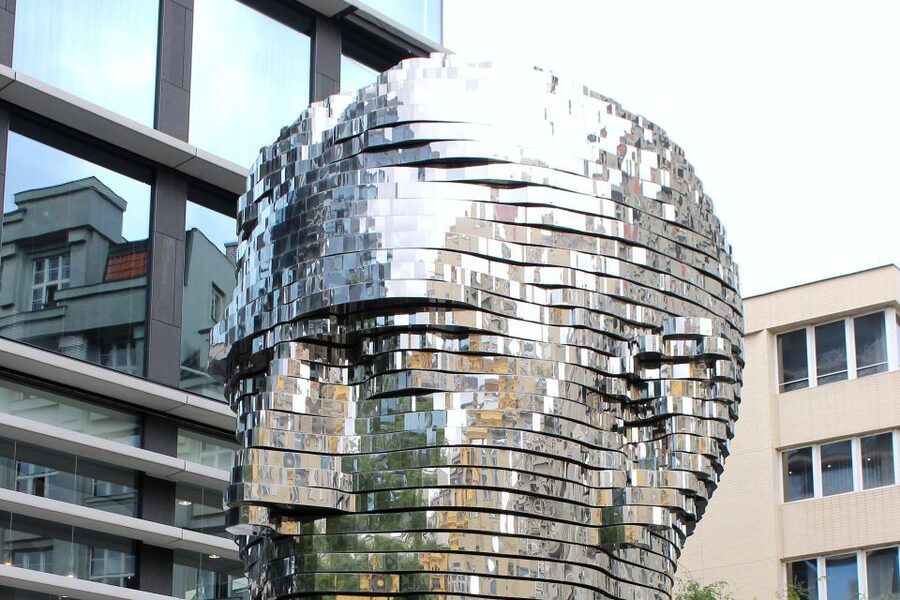
- One possible missing stop, since the Frank Kafka statue was listed as under renovation through end of 2023
Why David Černý Turns Prague Into a Living Gallery
If your idea of Prague is towers, bridges, and old facades, this tour nudges you to look again. David Černý is known for conceptual art that often uses provocation, humor, and sharp social commentary. In other words, you are not just hunting art pieces, you are watching the city respond to modern ideas.
What makes the experience feel practical is that you get the why behind the what. Černý became famous during the Velvet Revolution when he was a student at the School of Applied Arts in Prague, staging an act that denounced the institutionalization of communism in the Czechoslovak government apparatus. That origin matters, because it explains the recurring themes in his later work: critique of culture, institutions, and the way society thinks.
The tour also steers you away from treating contemporary art like a museum lecture. You are seeing installations placed in real neighborhoods, not behind velvet ropes. That means you get to connect the work to daily life, street corners, and the urban layout you are already walking through anyway.
Meeting on Kinsky Square, then Starting with the Right Mindset
You meet in front of the fountain on Kinsky Square. The easiest public transit approach is to get off at the Švandovo divadlo tram stop, served by tram lines 9, 12, 15, and 20.
This matters more than you might think. Kinsky Square is a good “starting line” because it helps you orient quickly before you start hunting artworks across historic districts. If you show up early, you can do a quick scan of your surroundings, check how the streets flow downhill or uphill, and plan your pace for the day.
Also, go in with low expectations for silence. These are outdoor works in public spaces, so the sounds of Prague are part of the experience. If you like art best when it sits in context, not isolated, you will probably enjoy this approach.
Also chalked up in Prague
- Prague: 50-Minute Sightseeing Evening Cruise
★ 4.2 · 33,780 reviews - Prague: Medieval Dinner with Unlimited Drinks
★ 4.4 · 19,847 reviews - Prague: Skip-the-line Castle Ticket and Optional AudioGuide
★ 4.3 · 11,121 reviews
90 Minutes of Art Hunting Through Malá Strana, Staré Město, and Nové Město
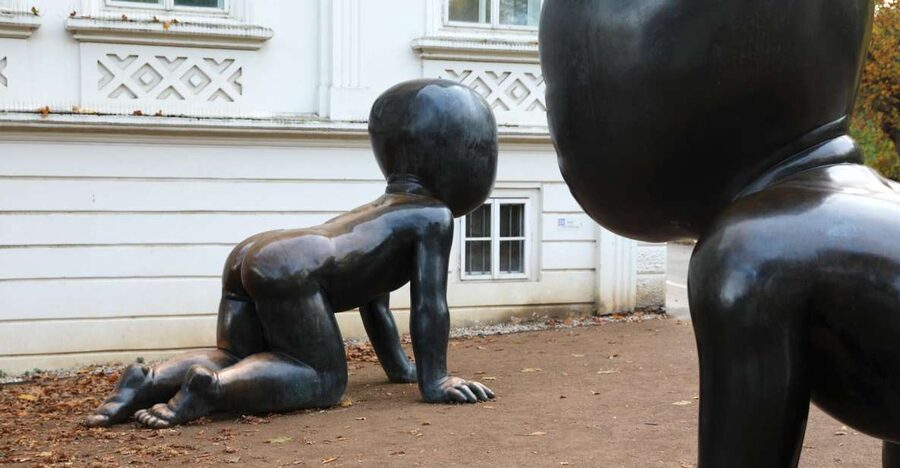
The route is built around three historic areas: Malá Strana, Staré Město, and Nové Město. The smart part is that the tour uses these districts as interpretive lenses. You are not moving randomly from one sculpture to another. You are walking through Prague’s older fabric while the art introduces a modern edge.
Malá Strana is where the mood can feel more intimate, the streets often read like you are drifting through different time periods at once. Staré Město gives you that heavier historic “center of gravity,” and Nové Město offers a different street character, more room for contemporary energy to feel plausible.
On a tour like this, the biggest value is how the guide connects the art to the streets you are actually on. You get explanations of the visited sites, along with history of Prague and Czech culture in general. That helps you notice details you would normally speed past: how a sculpture’s placement changes what you think the neighborhood is about.
What You See: Ten Urban Works, with One Likely Missing Piece
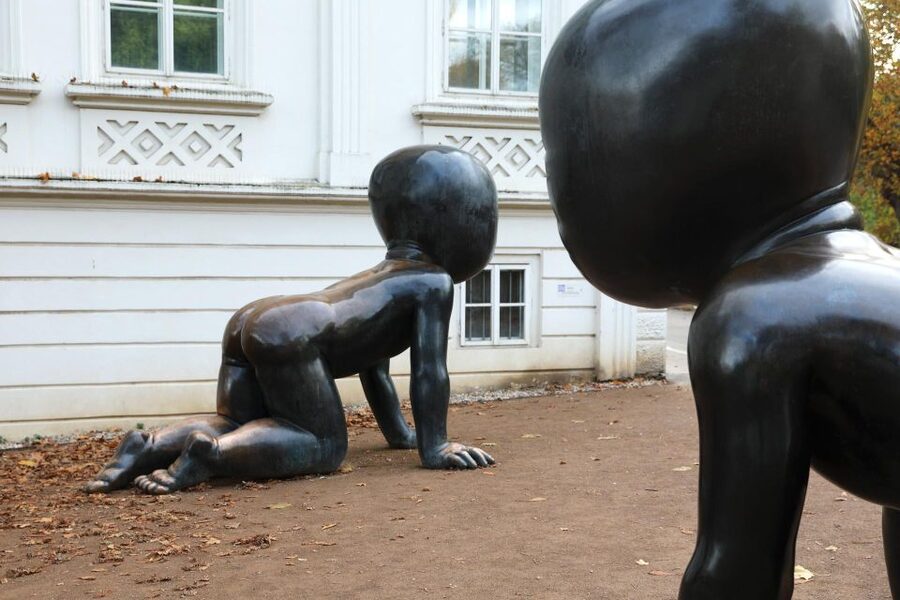
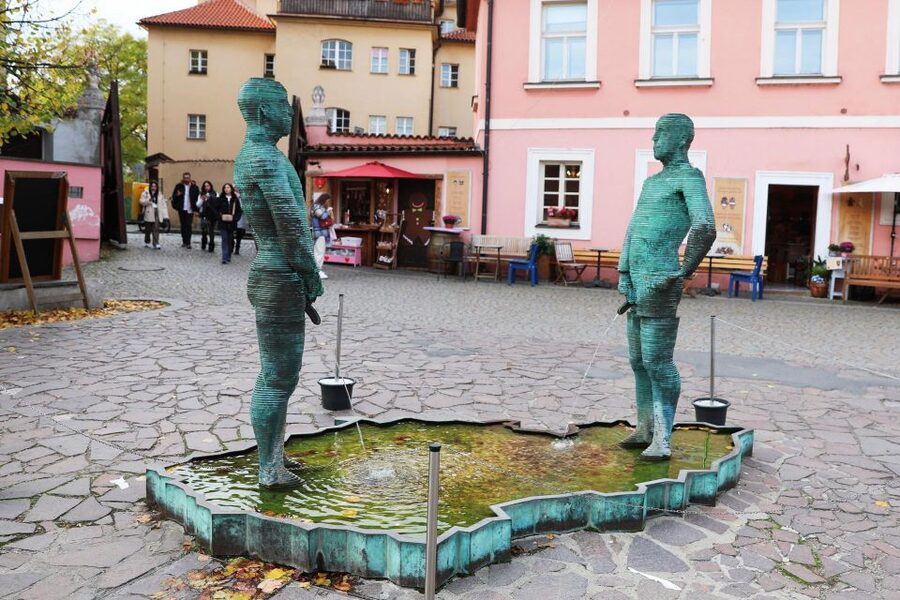
You will be able to discover 10 urban works by David Černý located in Prague’s historic districts. Some are well known, and others are less famous. That mix is a good design choice, because it rewards both types of people: the ones who recognize names, and the ones who want surprises.
Here is what to expect in terms of rhythm. You will stop, look carefully, and then get a clear explanation. The work’s meaning can shift based on where it sits, so the guide’s commentary helps you read each installation like a conversation, not a still-life.
One caution: the Frank Kafka statue was listed as under renovation through end of 2023, so it may not be visible. The tour also notes that, exceptionally, a work might be inaccessible due to work or maintenance. This is normal for outdoor public art. If a stop is missing, the tour can still move forward, but you might feel a small sense of “I wanted that one” if Kafka is on your must-see list.
A courtyard deeper into Prague:


The Velvet Revolution Connection: Why His Story Changes How You Read the Art
Černý is not an artist of polite interpretation. Even when the pieces are funny, they often have a bite. That is why the tour’s background story is not fluff. It directly changes how you understand what you are seeing.
The key thread you should keep in your head is this: his early fame was tied to political resistance at the time of the Velvet Revolution. Even if you do not know the full Czech timeline, the tour frames his work as critical discourse, aimed at denouncing the state of contemporary Czech and European culture. If you have ever felt that public life can be weird, hypocritical, or overly controlled, you will probably understand why he uses conceptual shock tools in public space.
The guide’s job, and a big reason this tour earns strong ratings, is to translate that into street-level meaning. You are walking, looking, and learning. The contemporary art becomes easier to process because you understand what kinds of questions Černý asks, and what he is responding to.
Also, since his work has crossed Czech borders and is exhibited all over the world, you get a useful sense that Prague is not just his hometown. It is also one of the places where you can see his thinking anchored to real public spaces.
How a Licensed French Guide Turns Stops into Real Understanding
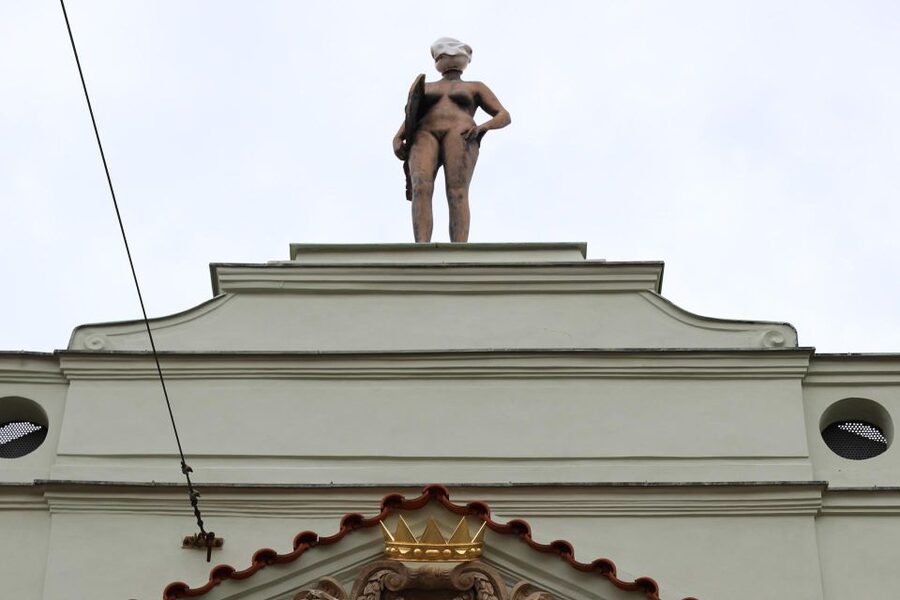
This is a live guided walking tour run with a local guide licensed by the Czech Ministry of Tourism. The tour language is French, and the guide provides explanations not only about the visited sites, but also about Prague history and Czech culture.
In plain terms, that is what makes the difference between passing by a sculpture and actually seeing it. Without guidance, public contemporary art can feel like a riddle where the answer is locked inside the artist’s head. With the guide, you get the “how to read” and “what to notice” pieces: symbolism, placement, and the cultural references that might otherwise go unnoticed.
The tone matters too. The experience is praised for a guide who is clearly passionate and very comfortable with the material. That shows up in how you move between stops. If the guide keeps explanations clear and focused, you can stay interested even when the artworks are more conceptual than decorative.
One practical note for you: plan to listen closely. This is not a long sit-down lecture. You are moving. If French is not your strongest language, you might still enjoy the visuals, but the deeper meanings will likely be harder to follow.
Price and Value: Is $19 Worth It for Prague Contemporary Art?
At $19 per person for about 90 minutes, the value is strong if you like context. You are paying for three things at once: a guided route through major historic districts, explanations tied specifically to the artworks, and cultural background that helps contemporary art click.
What you are not paying for is extra comfort. There is no hotel pickup, and transport tickets and food and drinks are not included. So you should come prepared to walk and to handle your own small needs during the tour.
The best value angle is the “multiple stops” factor. Since you cover 10 urban works in a single walking loop, your time feels efficient. If you were to try this on your own, you could easily spend hours just trying to figure out what to see and how to interpret it. Here, the structure is built in.
Bottom line: if you want contemporary art in Prague with a guide who connects the dots, the price feels fair. If you want a purely visual experience with no explanations, you might choose a different kind of walk.
Practical Tips for Rain or Shine and Real Comfort
The tour runs rain or shine. That means your clothing and shoes matter more than usual.
A few practical moves I recommend:
- Wear comfortable walking shoes with decent grip, since Prague streets can be uneven.
- Bring a small rain layer. You do not want your attention to drift because your jacket is failing.
- Plan your meals around the tour. Food and drinks are not included, so eat before or after.
- Bring a bit of patience if an artwork is under maintenance. Outdoor art sometimes changes access.
Also, keep your expectations realistic about outdoor art reading. Some pieces are easy to interpret at a glance, others need time and explanation. If you give the guide your attention at each stop, the tour tends to feel smoother.
Who This Tour Is Best For (and Who Might Prefer Something Else)
This tour is a great match if you:
- Like contemporary and urban art and want it explained in real-world context
- Enjoy walking and prefer learning while moving, not only sitting
- Want to see Prague through a cultural angle beyond the classic postcard sights
- Are curious about Czech culture and how modern political stories shape art
You might think twice if:
- You only want French-independent content, since the tour guide speaks French
- You prefer indoor museum pacing and dislike outdoor weather-based walking
- You are strictly looking for a short, low-effort sightseeing hit, because contemporary art benefits from attention
If you like a blend of old streets and modern commentary, this is exactly the kind of tour that makes Prague feel personal.
Should You Book This David Černý Tour?
I would book it if your goal is to understand Prague, not just photograph it. The route gives you a smart mix of three historic districts and 10 works by one of the most important Czech contemporary artists, and the guide’s explanations are part of what makes the art land.
If French is a barrier for you, you may still enjoy the walk and the visuals, but you could miss a chunk of the meaning. If you are comfortable with French or you do not mind art described at speed, you will likely have a very satisfying experience.
And if you are a “context first” person, the Velvet Revolution background and the guide’s cultural framing make the tour feel worth the time.
FAQ
Where do I meet for the tour?
Meet in front of the fountain on Kinsky Square.
What tram stop should I use to get to the meeting point?
Get off at the Švandovo divadlo tram stop, served by lines 9, 12, 15, and 20.
How long is the guided tour?
The tour lasts about 90 minutes (approximately 1.5 hours).
What language is the tour guide?
The live tour guide speaks French.
Is the tour outdoors, and does it run in rain?
Yes, it takes place rain or shine.
How much does it cost?
The price is $19 per person.
What’s included in the price?
A licensed local guide, a guided walking tour of about 1.5 hours, explanations about the sites and Prague and Czech culture, good addresses, advice for your stay, and a good mood.
What is not included?
Pick-up and return to the hotel, transport tickets, and food and drinks are not included.
Will every artwork always be visible?
Not always. A work may be inaccessible due to work or maintenance. The Frank Kafka statue was noted as under renovation through end of 2023, so it may not be visible depending on timing.
Newly posted under the arches of Prague

Tours, compared.
Castle Tour with Local Guide and Entry Ticket
Read our review →
Oldtown, Medieval Underground & Dungeon History Tour
Read our review →
Prague Castle 2.5-Hour Tour Including Admission Ticket
Read our review →
3-Hour Walking Tour of Old Town & Prague Castle
Read our review →
3-Hour Old Town and Prague Castle Tour in German
Read our review →
Ghost Walking Tour Where Legends Come To Life
Read our review →
Ghosts, Legends, Medieval Underground & Dungeon Tour
Read our review →