
Reviewed · TEREZIN & MEMORIAL SITE VISITS
Operation Anthropoid Tour or Terezín Concentration Camp Tour
A church crypt sets the mood fast. You get the Operation Anthropoid story at St. Cyril and St. Methodius, then you follow it to Terezín to see what the Nazis did next. I love how the tour uses a live guide to connect names, dates, and places, not just plaques. I also like that the program includes both parts of Terezín, so you see how the system worked end to end. The only drawback to keep in mind is that this is intense history, and the full day can stretch up to 8 hours.
Your day starts at a real Prague landmark, the Dancing House, and you can also arrange private transfers from your accommodation. In the guide department, the standout names are Michael, Dominic, and Radim, praised for being friendly, answering questions, and making the Operation Anthropoid context click. One caution from a lower-rated review: not every guide style will feel equally helpful, and one guest felt the tour added little beyond museum wording and that some described stops were missed.
In This Review
- Key highlights you should care about
- Church Crypt First, Then Terezín’s Two Fortresses
- Meeting at the Dancing House, and using private Prague transfers
- Operation Anthropoid at St. Cyril and St. Methodius: the crypt you can’t ignore
- From church to fortresses: how Terezín works as a system
- Small Fortress: a Gestapo prison, not just a stop on the map
- Big Fortress, the museum, and the ghetto era you can walk through
- Cemetery and survivor stories: how the tour lands with meaning
- Price and value: is $23 really fair for this much history?
- What the guide quality feels like in real life
- How long should you plan, and who this tour suits best
- Should you book this tour?
Key highlights you should care about
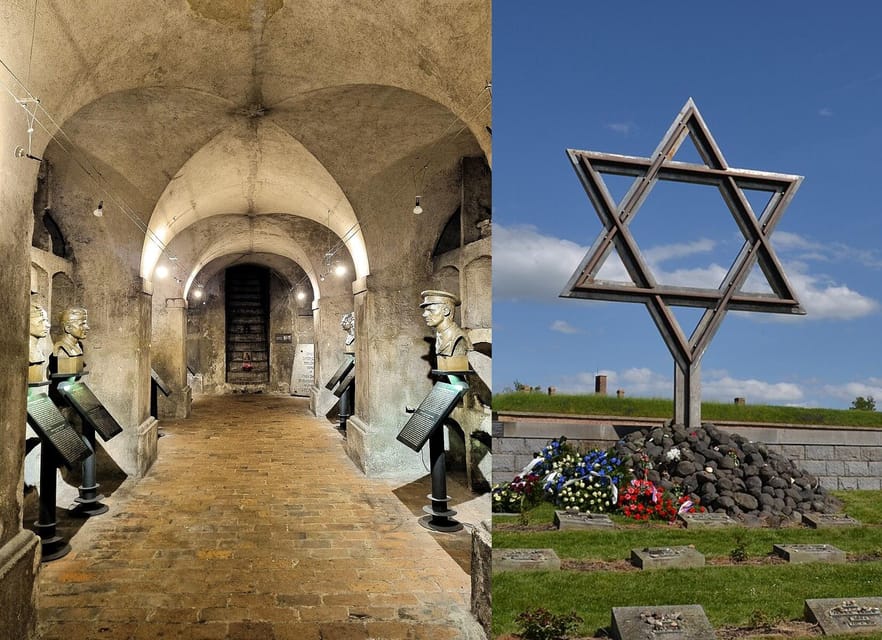
- Crypt under St. Cyril and St. Methodius ties Operation Anthropoid to a physical place you can walk through
- Operation Anthropoid context focuses on the assassination mission against Reinhard Heydrich
- Small Fortress tour helps you understand Terezín as a Gestapo prison, not just a memorial
- Big Fortress tour connects the ghetto era with sites like the Magdeburg barracks and crematorium
- Cemetery plus survivor stories gives the tour emotional weight, not just facts
- Guides who engage can make a big difference, with repeated praise for Michael, Dominic, and Radim
Church Crypt First, Then Terezín’s Two Fortresses
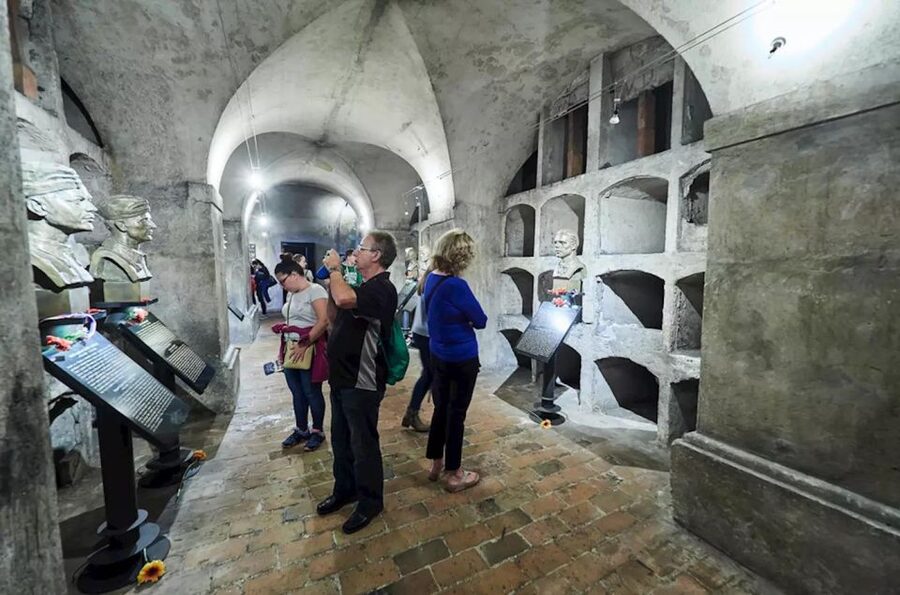
This tour has a smart rhythm. You start with a story that is about planning, courage, and resistance. Then you move to Terezín, where the Nazis turned that kind of resistance into something they tried to crush fast and brutally.
The pairing matters because Operation Anthropoid is not just a standalone event. It sits inside a wider WWII reality: propaganda, repression, and brutal punishment. When you see the crypt and then later stand in the fortress spaces used as prison and ghetto, the timeline stops feeling abstract.
I also appreciate the structure that comes with a guided visit. You are not just walking through rooms. You are listening to how and why people were moved, hidden, detained, or killed. That turns “places to see” into “places that explain.”
Meeting at the Dancing House, and using private Prague transfers
You meet your guide outside the Dancing House. That’s handy because it’s easy to find and it gives you a clear starting point before you head out.
If you choose the Terezín-focused option or the full day, the tour includes private transfers, with pickup and drop-off at your Prague accommodation. That’s a real value add here. Terezín is a long enough trip that spending time figuring out transit would distract you from the point of the day.
Also, the tour description promises skip-the-ticket-line and a live English guide. That combination helps you avoid dead time, especially if you’re doing a one-day schedule.
Timing note: duration ranges from 1 to 8 hours depending on which option you take. If you’re short on time, you can do it in a shorter format. If you want the full arc, plan for the complete day.
Other visits to the Terezin memorial site:
- From Prague: Terezin Concentration Camp Guided Tour w/ Audio
★ 4.6 · 2,248 reviews - Terezin Concentration Camp Day Tour from Prague
★ 4.0 · 1,007 reviews - From Prague: Terezín and Ghetto Museum Guided Tour
★ 4.3 · 571 reviews
Operation Anthropoid at St. Cyril and St. Methodius: the crypt you can’t ignore
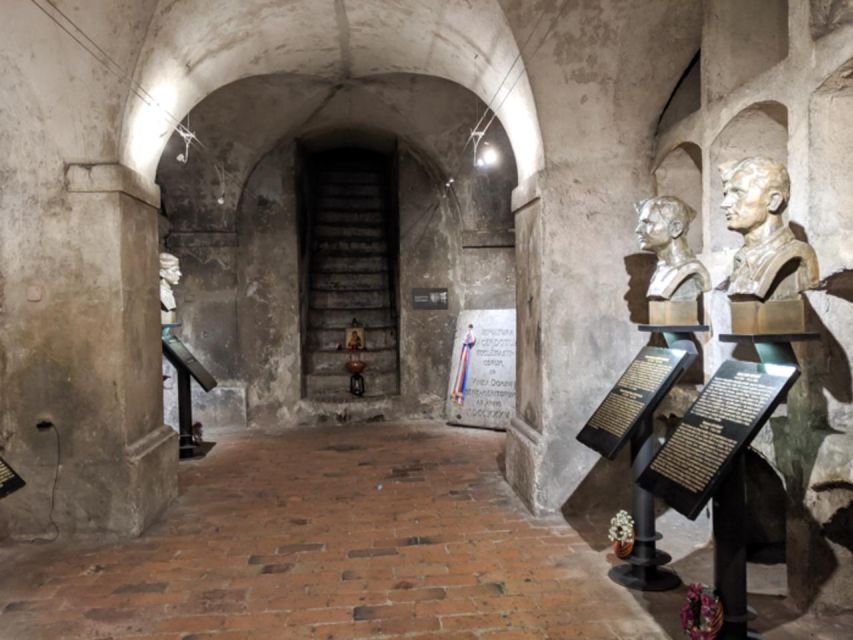
The Operation Anthropoid portion centers on Church of St. Cyril and St. Methodius, including the crypt beneath it. This matters because Operation Anthropoid is a mission people often meet through history books. Here, you get a physical site tied to the resistance story.
What to expect is a guided walk through the church spaces, followed by time in the crypt. The guide connects the dots between Czechoslovak resistance fighters and the assassination operation. The goal is clarity, not theatrics. You should come away understanding why Reinhard Heydrich was such a key target within the Nazi regime.
One of the strongest parts of this segment is how the guide handles the human scale. The event involves planning and risk, and the tour makes it feel real without turning it into melodrama. That’s a rare balance in WWII sites.
And yes, the crypt setting also does something practical. It helps focus your attention. You’ll likely feel less tempted to rush through. You will want to listen, then look again.
From church to fortresses: how Terezín works as a system
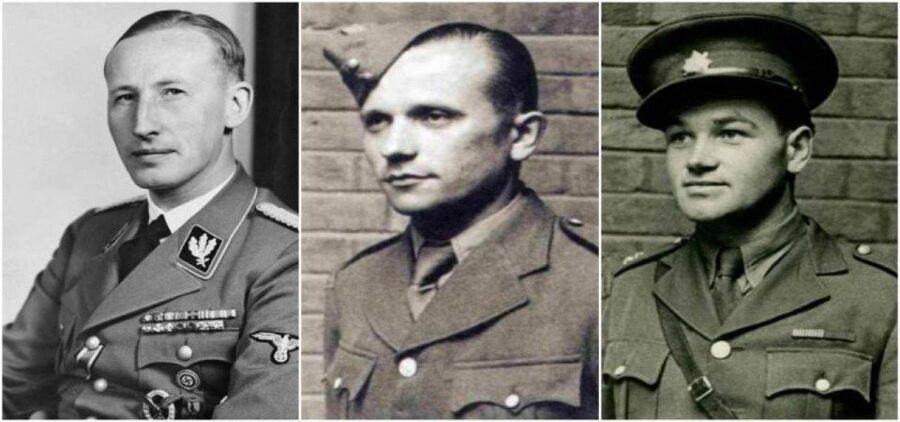
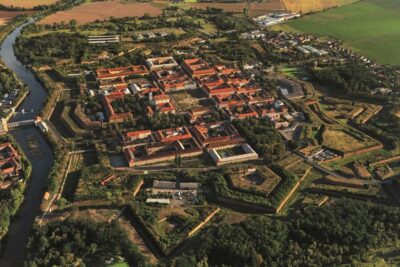
Once you head to Terezín, the tour frames the place in two halves. The Small Fortress and the Big Fortress are not just different buildings. They represent different functions in the Nazi control system.
This is why the guided approach is so useful. If you visit Terezín without context, it’s easy to treat everything as one big museum. With a guide, you can track what happened in each area and how the Nazis used different spaces for different purposes.
This also helps you manage expectations. Terezín is not a place designed for comfort. It’s built to communicate constraint, fear, and cruelty. A good guide will help you understand that reality while still keeping the story organized.
Also chalked up in Prague



Small Fortress: a Gestapo prison, not just a stop on the map
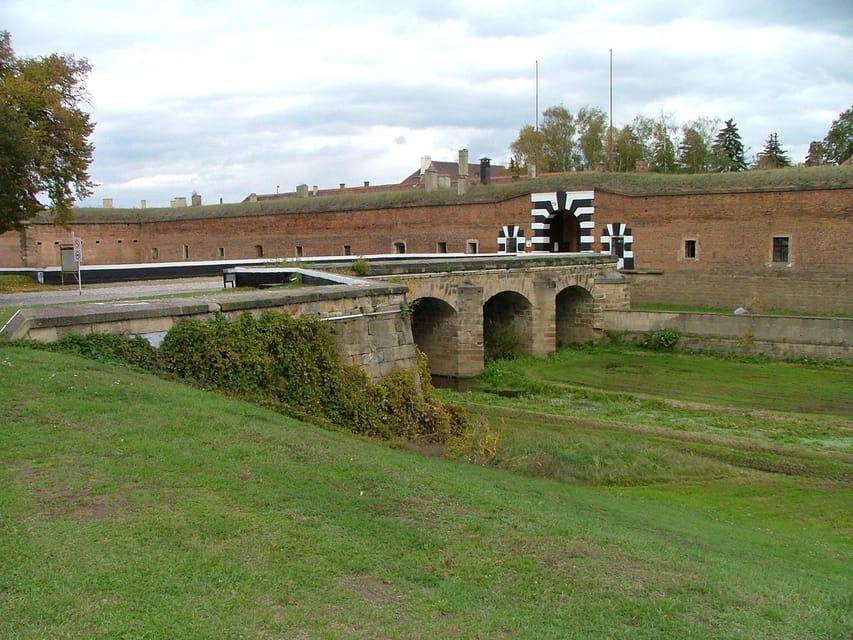
The Small Fortress portion is one of the tour’s clearest explanations of how Terezín functioned as a prison system. The tour describes the Small Fortress as used by the Gestapo, meaning it wasn’t only a detention zone. It was part of interrogation and enforcement.
As you walk through, you should be listening for how the guide describes the prison logic. Who was held, why, and how this location fit into the broader oppression. The point is to see Terezín as more than a tragic background. It was an active instrument.
One thing I’d suggest you do before you arrive is mentally prepare for details that may feel cold. The tour title includes concentration camp, but the Small Fortress angle can make the experience feel more direct and immediate. It’s the kind of stop where questions from a curious mind are natural, and where the best guides actually welcome them.
Big Fortress, the museum, and the ghetto era you can walk through
The Big Fortress of Terezín is where the tour shifts into the ghetto-concentration camp story. In the tour description, this part becomes a ghetto-concentration camp for Jews. That framing matters, because it highlights that Terezín was not simply a prison camp in general terms. It was a specific mechanism of persecution.
During the Big Fortress visit, you’ll also get guided access to the Terezín museum areas and stops such as the Magdeburg barracks and the Crematorium. Those are the kinds of places where the space itself gives you context. Barracks talk about overcrowding and daily life under control. The crematorium stop is where the scale of atrocity becomes impossible to ignore.
A key value here is that the tour doesn’t treat these stops like disconnected exhibits. The guide ties them together so you see how a person could move through the system. That’s the difference between reading labels and actually learning how the machine worked.
If you’re sensitive to heavy sites, this is the segment where you may need a moment. Build in calm time for yourself, because the story is emotionally demanding.
Cemetery and survivor stories: how the tour lands with meaning
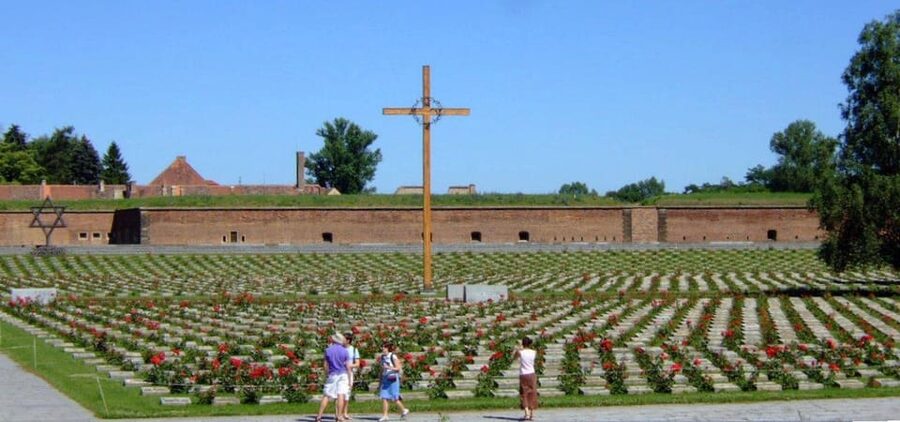
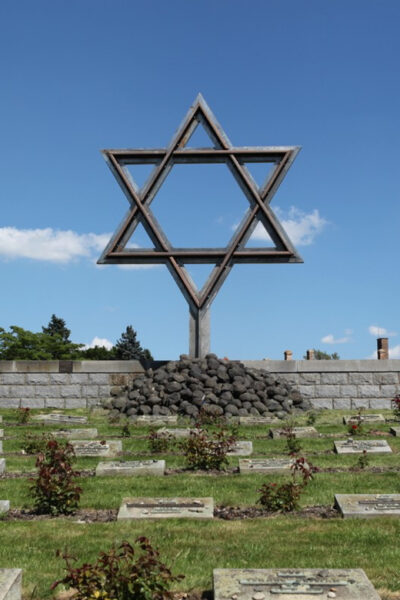
The tour highlights include visiting the cemetery and hearing story of Terezín survivors. This is what helps the day move beyond information.
The cemetery stop can feel different from the museum spaces because it adds a personal, memorial tone. It’s still WWII history, but it leans into remembrance. The survivor stories then connect that memory to real endurance and decision-making under extreme pressure.
What I like about ending this way is that it gives you a mental landing spot. You’ve walked through prison and ghetto spaces. Now you hear from people who survived, and you understand the camp not just as tragedy, but also as a site of courage and self-sacrifice, and a place of ongoing struggle to protect those doomed by the Holocaust.
Price and value: is $23 really fair for this much history?
At $23 per person, this tour’s value is hard to argue with if you get a strong guide and you do the full program. You’re combining two major experiences: the Operation Anthropoid church crypt visit and the Terezín Small and Big Fortress tour with museum elements.
Add in the included features that usually cost extra elsewhere, like expert-guided touring, skip-the-ticket-line, and private transfers with pickup and drop-off from Prague accommodation. When those logistics are included, the price stops looking like a budget deal and starts looking like a focused, efficient plan.
That said, value depends on delivery. One low-rated review complained about a guide who added little beyond museum text and even missed some locations mentioned in the description. The main lesson for you is to treat this as a guide-dependent tour. If you care a lot about storytelling and on-the-ground explanations, check that your booking includes what you want, and consider asking your guide questions early in the day.
On the plus side, the guide quality seems to be a major strength overall. The standout names that show up repeatedly in the reviews are Michael, Dominic, and Radim, with praise for clarity, professionalism, and friendliness.
What the guide quality feels like in real life
The reviews give you a clue about what a good guide looks like on this route.
Michael and Dominic come up in a particularly memorable way. One review describes a situation where a guest had hurt a foot and needed a wheelchair. The guides reportedly helped by finding a wheelchair and then pushing the guest around over uneven surfaces and up and down steps. That tells me two things: the guides tend to be prepared for practical problems, and they care about whether you can participate.
Radim is also praised, specifically for passion and enthusiasm that came through. Another review emphasizes that the guide answered a lot of questions and helped clarify Operation Anthropoid in a way that felt deep.
At the same time, a low-rated comment shows the other reality: if your guide sticks closely to museum text without adding context, the tour can feel less worth it. That contrast is why I’d recommend you approach the experience with curiosity. Ask questions early. If your guide is responsive, you’ll get far more out of the day.
How long should you plan, and who this tour suits best
Because duration can run from 1 to 8 hours, your best choice depends on your time and emotional bandwidth.
If you want the full story arc, plan for the ultimate one-day version that includes both the Operation Anthropoid visit and the Terezín concentration camp tour. It’s the most complete way to understand how the resistance story connects to what happened afterward.
If you’re short on time, the 1 to 8 hour flexibility suggests you can take a shorter version. You’ll just need to decide whether you want depth at the church crypt alone or the full transformation to both fortresses and museum sites.
This is best for:
- People who want WWII history with strong place-based context
- Travelers who like guided explanations tied to real locations
- Anyone who wants to understand Operation Anthropoid and then see Terezín as the larger system of persecution
It might not be ideal if:
- You only want a light, casual “sights” day
- You get overwhelmed easily by memorial sites and prison histories
- You cannot handle long days, since the full program can take up to 8 hours
Should you book this tour?
Book it if you want one clear, guided line through a complicated WWII story, from the Operation Anthropoid church crypt to the Small and Big Fortresses of Terezín. The price is strong for what’s included, and the best guides on this route can turn the visit into understanding, not just seeing.
I’d be cautious if you expect a purely self-paced museum feel. This experience is story-driven, and your enjoyment will depend on the guide. If you care about getting real explanations, come prepared with questions, and plan time for quiet moments at the cemetery and major memorial sites.
If you’re doing Prague and you want one outing that actually changes how you understand the era, this is a solid choice.
Newly posted under the arches of Prague

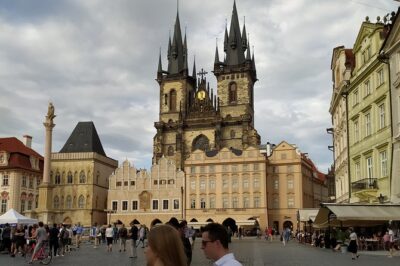
Terezin & Memorial Site Visits, compared.
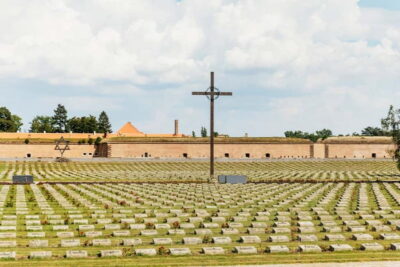
Terezin Concentration Camp Guided Tour w/ Audio
Read our review →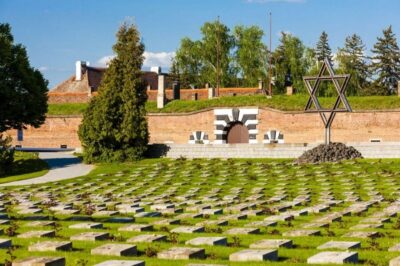
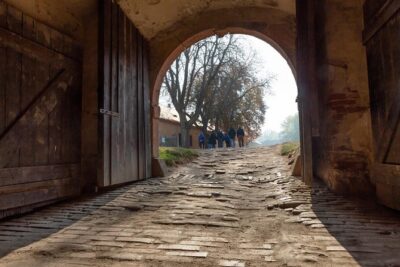
Terezin Concentration Camp Day Tour from Prague
Read our review →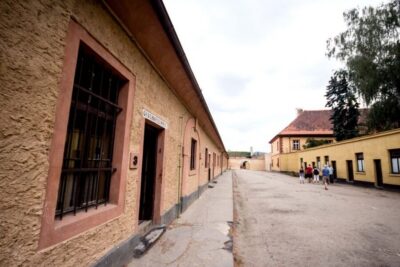
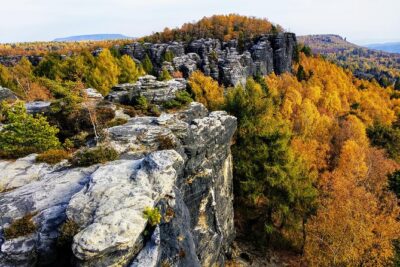
Terezin & Bohemian Switzerland from Prague: Bastei, Narnia & Café
Read our review →
Browse the lists this tour appears in