
Reviewed · CONCERTS
Prague: Entry Ticket Classical Concert at the Mirror Chapel
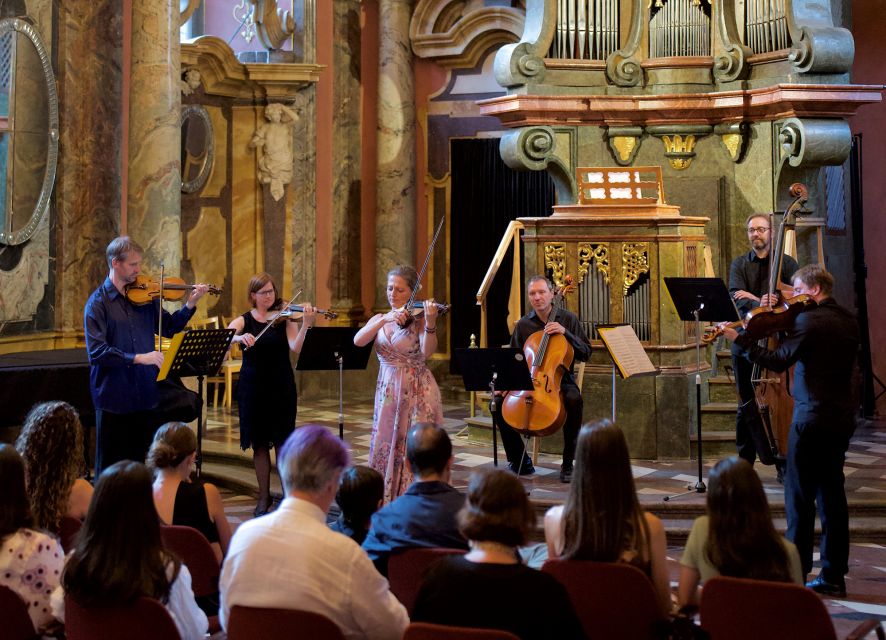
That Mirror Chapel sound is magic. In this Baroque Mirror Chapel inside Prague’s Clementinum, a chamber concert pairs historic space with performances that feel polished and personal. I especially like the Royal Czech Orchestra lineup, with standout soloists and big, familiar classical titles that land fast. The one heads-up, though, is that the place can be tricky to locate, with a not-so-obvious entrance, so give yourself extra time.
The music runs like a smooth, focused hour, and you stay seated in a room designed for resonance. If you want a restful break from Prague’s street noise, this is a strong pick, because the whole evening is about listening, not wandering. Do note there’s no official dress code, but you will want to show up ready to enjoy a quiet, attentive performance.
Doors open 15 minutes before the concert, and you show your ticket at the Mirror Chapel entrance. The standard length is 1 hour, with options at 5pm or 7pm, so you can fit it around dinner plans.
In This Review
- Key Highlights You’ll Actually Care About
- Prague’s Mirror Chapel: Why This 1-Hour Concert Feels Worth It
- Clementinum Direction Tips: Finding the Mirror Chapel Entrance Without Stress
- Two Concert Times, Two Programs: How 5pm and 7pm Differ
- Royal Czech Orchestra Soloists: What You’ll Notice Once You’re Seated
- The Music Set List, Plain English: What to Listen For
- Seating, Sightlines, and Chapel Acoustics: How to Pick Your Spot
- Etiquette and Quiet Focus: Making Sure You Get the Best Listening Experience
- What You Get, What You Don’t: Ticket Value and Practical Expectations
- Should You Book This Mirror Chapel Concert Ticket?
- FAQ
- How long is the Prague Mirror Chapel classical concert?
- Where do I meet for the concert?
- Are there different concert times?
- What’s included with my ticket?
- Are food and drinks included?
- Is there a dress code?
- Are unaccompanied minors allowed?
- When do the doors open?
- What is the cancellation policy?
Key Highlights You’ll Actually Care About
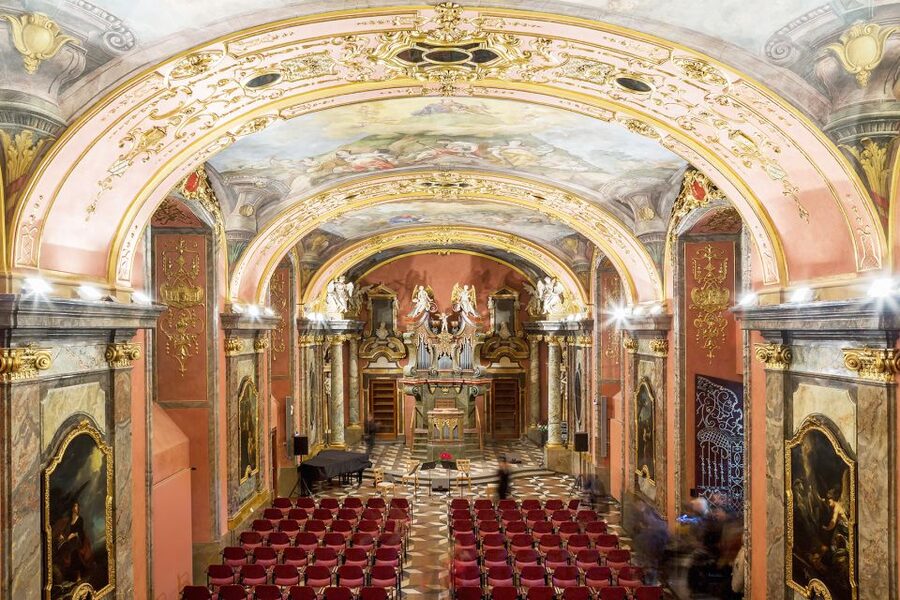
- Spectacular acoustics in the Mirror Chapel, built for clear, unamplified-style listening
- Major composers in the program, including Mozart, Vivaldi, Bach, Smetana, and Beethoven
- Real star soloists like soprano Eva Müllerová, violinist Viktor Mazáček, and organist Robert Hugo (5pm) or pianist Stanislav Gallin (7pm)
- Perfect one-hour length if you want culture without a long night out
- Good value pricing for the venue and caliber of the orchestra and singers
- Bring ear-friendly patience, because distractions can happen if other people get restless
Prague’s Mirror Chapel: Why This 1-Hour Concert Feels Worth It
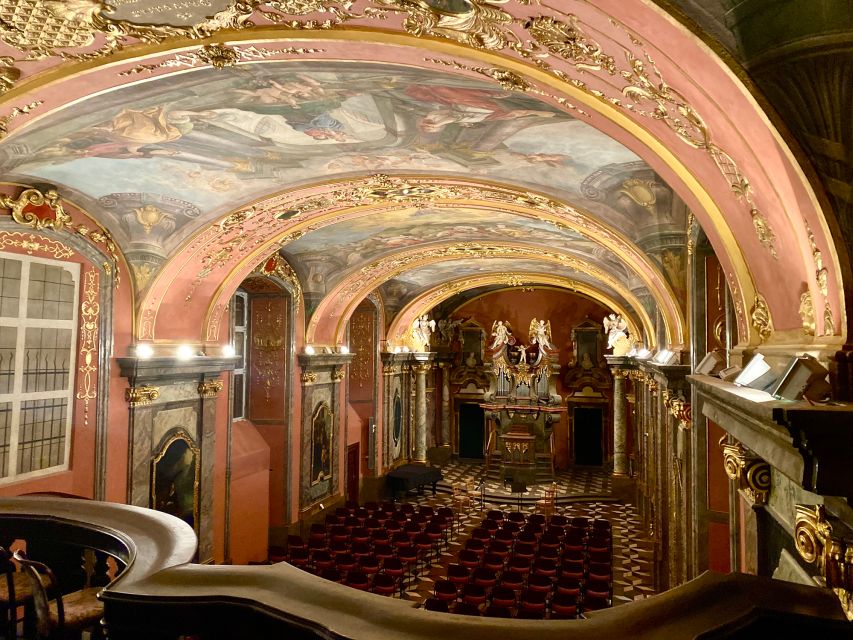
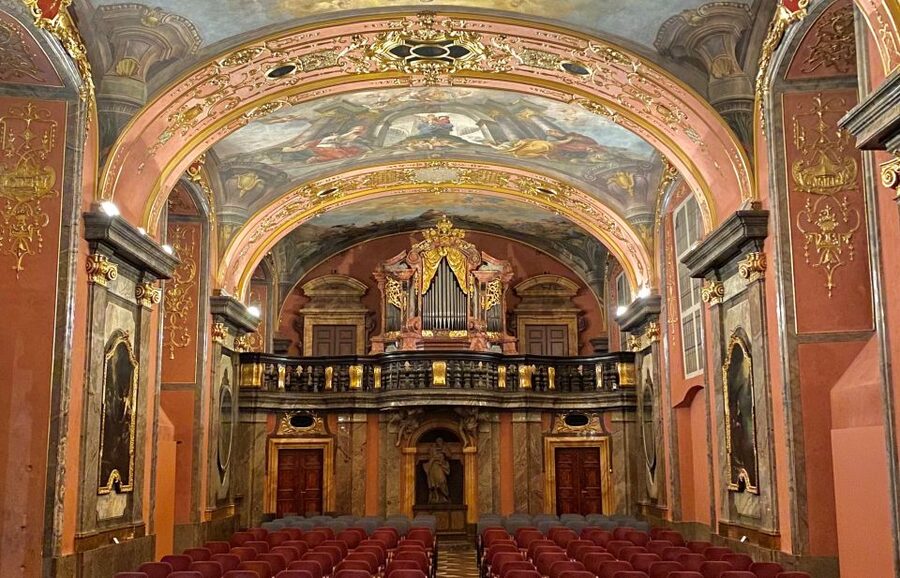
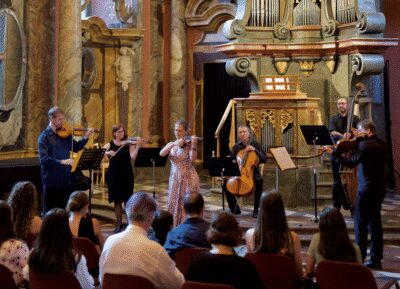
Prague does grand things well, but this experience is the opposite. It’s compact, time-smart, and designed to let you hear details instead of just admiring the building. The Mirror Chapel (Clementinum) is famous for its visual style, but the bigger payoff is how the sound carries through it. Even with a full program of famous pieces, the atmosphere stays intimate.
What makes this ticket compelling is the mix of musicians and material. You’re not stuck with “background music” classics. The set list hits big names, including Mozart, Vivaldi, Bach, Dvořák, Smetana, and Beethoven. That means even if you don’t live for classical concert etiquette, you’re still likely to recognize rhythms, melodies, and emotional turns.
I also like how the evening is built around contrasts. One moment can feel ornate and baroque, the next dramatic and cinematic, then something lyrical and melodic. That variety keeps your attention without demanding homework from you.
The whole thing lasts just one hour, so it works for a lot of travel styles: a first night in Prague, an easy evening after sightseeing, or a “one ticket, one memorable moment” add-on.
Clementinum Direction Tips: Finding the Mirror Chapel Entrance Without Stress
Meeting point is straightforward on paper: show your ticket at the entrance of The Mirror Chapel. In practice, the Clementinum area can feel confusing, especially if you come from the main streets and expect a simple street-front venue. Some people have found the location harder than expected, including that it can be down a side area rather than where you’d instinctively look for a venue entrance.
My practical advice is to plan like a local you are in a hurry. Aim to arrive earlier than the minimum. Doors open 15 minutes before the concert, and that early arrival gives you three benefits: time to orient yourself, time to settle in, and time to grab a better seat in your price bracket.
Also, ask for the Clementinum when you’re getting directions. That name tends to be the one people recognize quickly if you are a bit turned around. Once you’re inside, you can focus on the chapel itself, because you’ll no longer be negotiating stairs, streets, and signage.
More programmes in gilded halls:
- Prague: Concert at Reduta Jazz Club
★ 4.5 · 2,170 reviews - Prague: A. Vivaldi Four Seasons at St. Salvator Church
★ 4.4 · 1,951 reviews - Prague: Mozart Ballroom Concert Ticket with 3-Course Dinner
★ 4.8 · 1,200 reviews
Two Concert Times, Two Programs: How 5pm and 7pm Differ
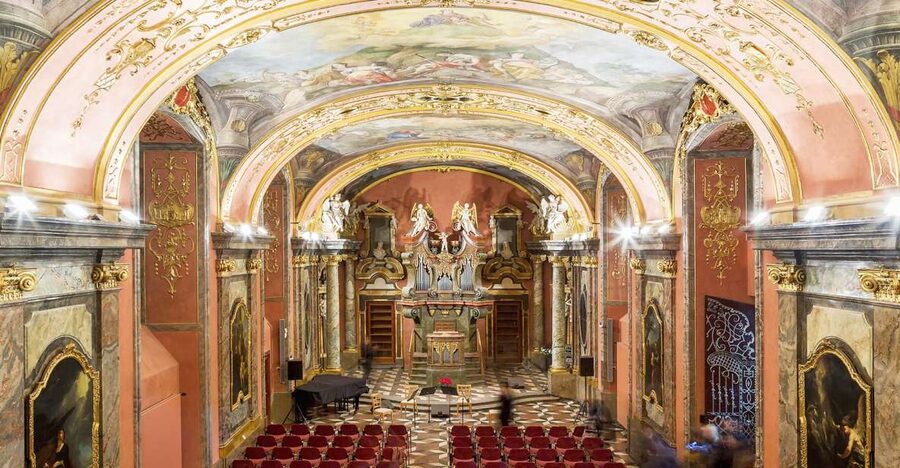
You’re choosing between two starts, and the music selections are not identical. Both concerts feature soprano Eva Müllerová and violinist Viktor Mazáček, so the vocal and string presence is consistent. The key difference is the surrounding cast of solo works and the specific “flavor” of the program.
At 5pm, you get a program that leans into a classic mix of baroque and dramatic set pieces, with organ featured through Robert Hugo. Expect a fuller spread of orchestral-style variety, including:
- Mozart’s Overture from Le nozze di Figaro
- Vivaldi’s Four Seasons focused on Spring and Winter
- Mozart’s Requiem movement Lacrimosa
- Pachelbel’s Canon in D
- Verdi’s Aida Marcia Trionfale
- Mozart’s Symphony No. 40 (Tragic)
- Dvořák and Bach-style sacred or ceremonial pieces
- Smetana’s The Moldau (Vltava)
- Beethoven’s Symphony No. 5 (Destiny)
At 7pm, you still get the emotional centerpieces, but the program shifts toward concerto moments and Romantic color, with pianist Stanislav Gallin among the soloists. Expect this blend:
- Vivaldi’s Four Seasons again with Spring and Winter
- Beethoven’s Emperor Concerto (Adagio un poco mosso)
- Mozart’s Requiem Lacrimosa
- Smetana’s The Moldau (Vltava)
- Chopin’s Nocturne No. 20 (from The Pianist)
- Bizet’s Habanera from Carmen
- Dvořák’s Slavonic Dance No. 8
- Bach/Gounod Ave Maria
- Beethoven’s Symphony No. 5 to close
So how should you choose? If you want a broader “classical sampler” with organ emphasis, go 5pm. If you like piano-led mood and Romantic tone color, pick 7pm. If you’re unsure, choose the time that best fits your day. This is one of those events where arriving rested makes the listening even better.
Royal Czech Orchestra Soloists: What You’ll Notice Once You’re Seated
A chamber concert is only as strong as the performers you can actually hear, not just the composer names on paper. Here, the soloist roster is one of the main reasons people keep calling this a must-do.
At 5pm, soprano Eva Müllerová carries the vocal lines, especially when the program turns sacred and dramatic. You’ll also hear organ mastery through Robert Hugo, listed as the Titular Organist for St. Salvator Church and known for baroque organs and period-traditional music. In a place like the Mirror Chapel, organ isn’t just decorative. It gives you that sustained warmth that makes other instruments sound even more vivid.
Violin work comes from Viktor Mazáček, a member of the Czech Philharmonic Orchestra who specializes in baroque music. In baroque repertoire, violin phrasing matters. The bow changes, the articulation, and the crisp transitions are what make the music feel alive rather than mechanical.
At 7pm, the big change is piano. Stanislav Gallin, connected to the Academy of Performing Arts in Prague, appears as a sought-after chamber and studio player. That matters because the piano part in pieces like Beethoven’s concerto movement and Chopin’s Nocturne can either feel like a “highlight moment” or just another instrument. Here, it’s treated as a leading voice.
Bottom line: you’re not just buying a seat. You’re buying a chance to hear how excellent Czech soloists shape familiar repertoire.
Also chalked up in Prague



The Music Set List, Plain English: What to Listen For
If you’re new to classical concerts, this program is refreshingly approachable. It’s packed with recognizable works, and many pieces come with built-in “storytelling,” so even if you don’t read sheet music, you can follow along.
Here are the main “listener wins” across both concerts:
Vivaldi’s Four Seasons (Spring and Winter)
You’re not getting all four seasons, just Spring and Winter, but that still gives you a strong contrast in mood. Look for lively energy in Spring moments and more tense, darker coloring when Winter arrives.
Mozart’s Requiem, Lacrimosa
This is the emotional gravity of the evening. It feels prayer-like and heavy, the kind of piece that makes people sit even straighter. When the room acoustics are good, you can hear how the line stretches and fades.
Bach/Gounod Ave Maria
This is one of those “comfort classics.” The melody is instantly memorable, and it works as a reset between heavier dramatic passages.
Smetana’s The Moldau (Vltava)
This is basically the sound of a journey. You get gentle movement, then broader flow, then moments that feel like turning points in the river. It’s the perfect piece to help you realize why Czech orchestral writing can feel so vivid.
Beethoven’s Symphony No. 5 (Destiny)
It’s famous for a reason. Even if you only know it by the opening idea, the full performance gives you variety and momentum. In a chapel, the rhythm can feel extra physical because the sound has nowhere to “escape.”
Some extra program gems worth noting for familiarity:
- Canon in D (Pachelbel) is the soothing one with steady structure.
- Toccata and Fugue in D minor is the showy, powerful “hands-on-keys” moment.
- Chopin Nocturne No. 20 and Bizet Habanera are there to add Romantic and theater-world color.
- Mozart’s Figaro Overture and Symphony No. 40 bring the quick wit and dramatic pacing.
If you like hearing concerts that feel like a highlight reel of classical favorites, this is built for you.
Seating, Sightlines, and Chapel Acoustics: How to Pick Your Spot
In a place like this, seat choice affects two things: how clearly you hear details, and how well you can see the performers. Several people highlight that the acoustics are excellent and the venue feels special, but you should still think about sightlines.
One important note from the real-world setup: you may be seated in a way that means the performers do not look like they are on a modern stage. That can make some seats harder for watching the musicians closely, especially if you’re further to the side. If you care about visual cues, aim for seating that gets you a clear line toward the performers rather than assuming there will be a traditional view.
Your best strategy is simple: arrive early, and be ready to settle. Doors open 15 minutes before the concert, and getting there before everyone floods in improves your chances for a good seat in your price bracket.
Also, plan for the sound to be very real. In a chapel with standout acoustics, it does not require loudness to be dramatic. That’s a win, but it also means distraction carries. If someone starts talking in the wrong moment, you’ll feel it more than you would in a venue designed for heavy amplification.
Etiquette and Quiet Focus: Making Sure You Get the Best Listening Experience
A concert like this is short, which means every minute counts. The best experience is the one where the room is calm and everyone is listening.
I recommend a “silent phone plan” before you even arrive. Put the phone away before you sit down. Even if you think you’ll only check it once, that urge is exactly what breaks attention, and this kind of venue relies on collective focus.
Also, set expectations for how the space works. Some people have noted that other activity or conversation from nearby areas can be distracting, and the chapel isn’t necessarily soundproof in the way big theaters are. If you’re sensitive to background noise, you’ll enjoy the concert more if you get in promptly, choose your seat, and stay put.
One more gentle tip: keep your program handy but do not “read through it” like a textbook. Use it as a quick guide so you can anticipate the next big moment. When you treat it like that, the surprise and enjoyment stay intact.
What You Get, What You Don’t: Ticket Value and Practical Expectations
Your ticket includes the entry and a printed concert program. That program is small but useful. It helps you follow the movements and pieces without needing to recognize everything by ear.
Food and drinks are not included. That means you’ll want to plan an earlier snack or handle dinner outside the chapel. The upside is that the concert stays focused. No food line drama and no “wandering mid-performance.”
Price is $34 per person for a one-hour classical concert in a celebrated historic setting with prominent soloists. When you compare that to what you usually pay for top-tier orchestral performances in major cities, it often feels like a fair deal rather than a tourist markup. The combination of strong performers, a tight one-hour format, and a venue built for sound is what drives the value here.
In plain terms: if you’re the kind of traveler who enjoys one great cultural event without turning your day into an all-night schedule, this fits well.
Should You Book This Mirror Chapel Concert Ticket?
Yes, if you want a high-impact Prague experience that does not require deep classical knowledge. I’d book it if you like recognizable composer names, appreciate live acoustics, and want an evening that feels restful after walking around the city.
Skip it if you need a venue that feels fully modern in logistics, or if you have trouble with quiet listening environments. Also, note the event does not allow unaccompanied minors, so plan accordingly if you’re traveling as a family.
If you can pick between the two start times, choose based on what you want to hear most. 5pm leans into organ presence and a broader mix of classical favorites. 7pm brings piano spotlight moments like Chopin and the Emperor Concerto mood.
FAQ
How long is the Prague Mirror Chapel classical concert?
The concert duration is 1 hour.
Where do I meet for the concert?
You show your ticket at the entrance of The Mirror Chapel.
Are there different concert times?
Yes. There are programs listed for concerts at 5pm and 7pm.
What’s included with my ticket?
Your ticket includes entry and a printed concert program.
Are food and drinks included?
No. Food and drinks are not included.
Is there a dress code?
There is no official dress code for this event.
Are unaccompanied minors allowed?
No. Unaccompanied minors are not allowed.
When do the doors open?
The doors open 15 minutes before the concert starts.
What is the cancellation policy?
You can cancel up to 24 hours in advance for a full refund.
Newly posted under the arches of Prague

Concerts, compared.
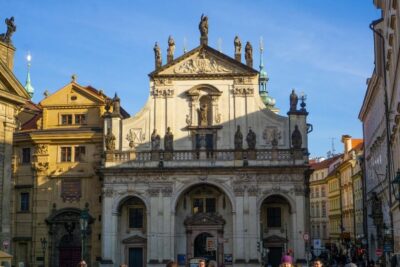
A. Vivaldi Four Seasons at St. Salvator Church
Read our review →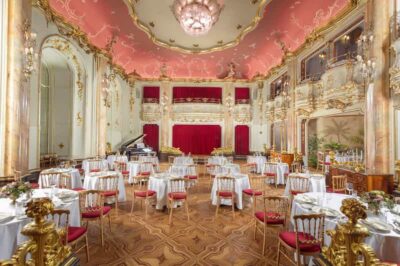
Mozart Ballroom Concert Ticket with 3-Course Dinner
Read our review →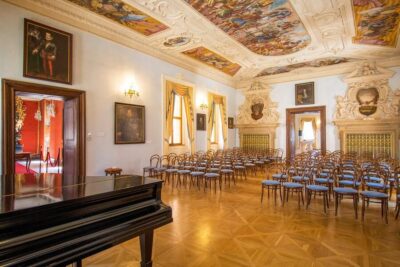
Prague Castle: Midday Classical Concert at Lobkowicz Palace
Read our review →
Browse the lists this tour appears in