Reviewed · FULL-DAY
Prague: Full-Day Guided Tour of Prague in a Small-Group
Prague can overwhelm you fast, this tour gives it shape. You start right in the Old Town core, then move through the sights that define the city, from the medieval heart to the Jewish Quarter and up into Prague Castle and St. Vitus Cathedral. The pace is practical too, with guided walking plus photo stops so you keep momentum without feeling rushed at every turn.
What I like most is the way this route stitches together multiple “Prague must-sees” in one go, so you understand how the city connects instead of seeing pieces out of order. I also like the small-group format with a live guide who covers big ideas at each stop, including history and what you’re actually looking at on the ground.
One possible drawback is that it’s a packed 5 hours with lots of walking and mostly exterior or photo-time moments at certain stops. Entry tickets to attractions are not included, so you’ll want to plan ahead for anything you feel strongly about seeing up close.
In This Review
- Key reasons this 5-hour Prague day works
- Where the tour starts: Cartier store meets a very clear meeting point
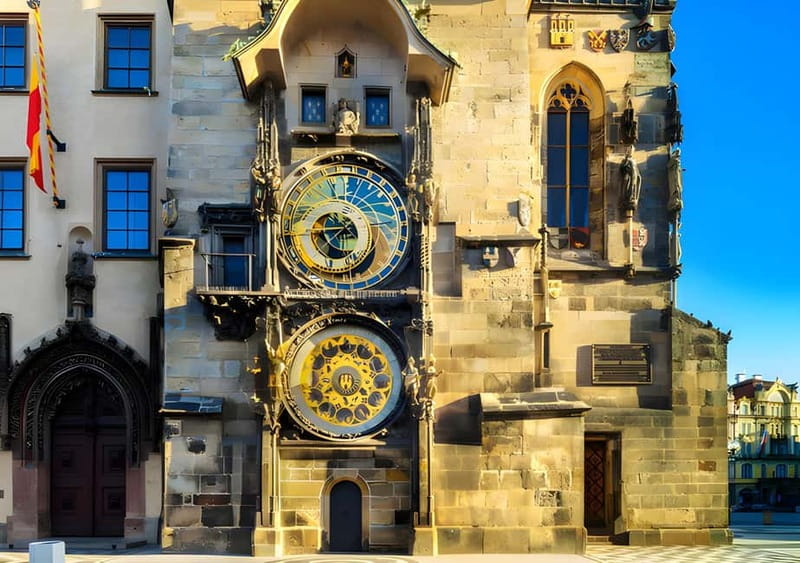
- Old Town Square and the Astronomical Clock: the opening scene you’ll remember
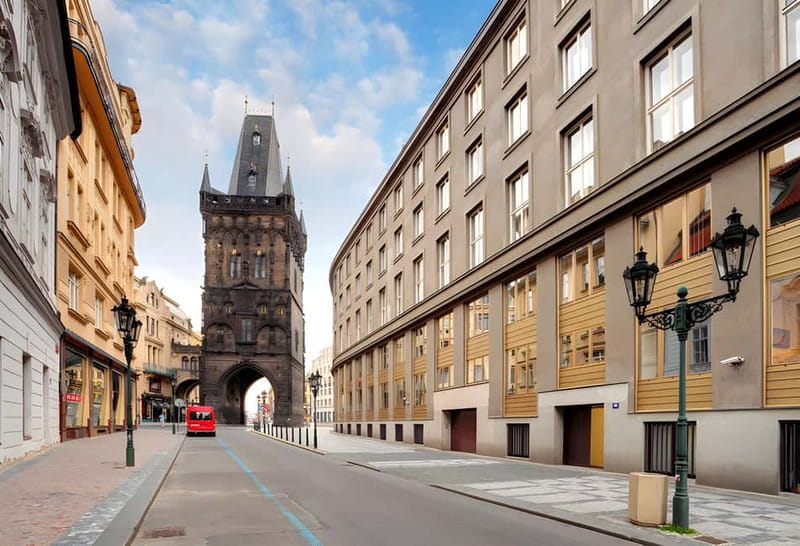
- Church of Our Lady before Týn and the Powder Tower: Gothic drama at street level
- The Jewish Quarter (Josefov): synagogues, cemetery, and why it all fits together
- Charles Bridge to Kampa Island: classic Prague crossing, then street-art culture
- Lunch in a traditional Czech tavern: use the 80 minutes well
- Tram up to Prague Castle: saving energy without losing the view
- Prague Castle and St. Vitus Cathedral: the stops you should watch carefully
- Golden Lane and the Kafka connection: small spaces, big meaning
- Ending at Rudolfinum: a practical finish point for your next move
- Price and value: what you actually get for $55
- Who should book this Prague small-group tour
- Should you book this Prague small-group tour?
- FAQ
- Where is the meeting point?
- How long is the tour?
- Which languages are offered?
- What’s included in the price?
- Are entry tickets to attractions included?
- Is lunch included?
- Does the tour run in bad weather?
- Is the tour wheelchair accessible?
- Are pets allowed?
- Where does the tour end?
Key reasons this 5-hour Prague day works
- Old Town Square to Josefov in one continuous story, so the clock, churches, and synagogues feel connected, not random
- Jewish Quarter stops built around major sites like the Spanish Synagogue and the Old-New Synagogue
- Charles Bridge sculptures plus Kampa Island after the mid-day stretch, which breaks up the walking rhythm
- Prague Castle via public tram, a smart time-saver compared to walking uphill the whole way
- Finish at Rudolfinum, giving you a clean landing spot for dinner or a wander afterward
Where the tour starts: Cartier store meets a very clear meeting point
The meeting point is extremely specific: directly in front of the Cartier store at Staroměstské nám. 934/5. Your guide wears an orange and white badge with Traviatour on it, so you’re not left guessing. That kind of clarity matters in Prague, where squares and streets can look similar even when you’re right there.
This tour is designed to work without hotel pickup. So if you’re staying in or near the Old Town, you’ll likely be able to arrive on foot, then you can start immediately. If you’re coming from farther out, plan a little extra time so you don’t show up at the exact minute and feel stressed before you even start walking.
Old Town Square and the Astronomical Clock: the opening scene you’ll remember
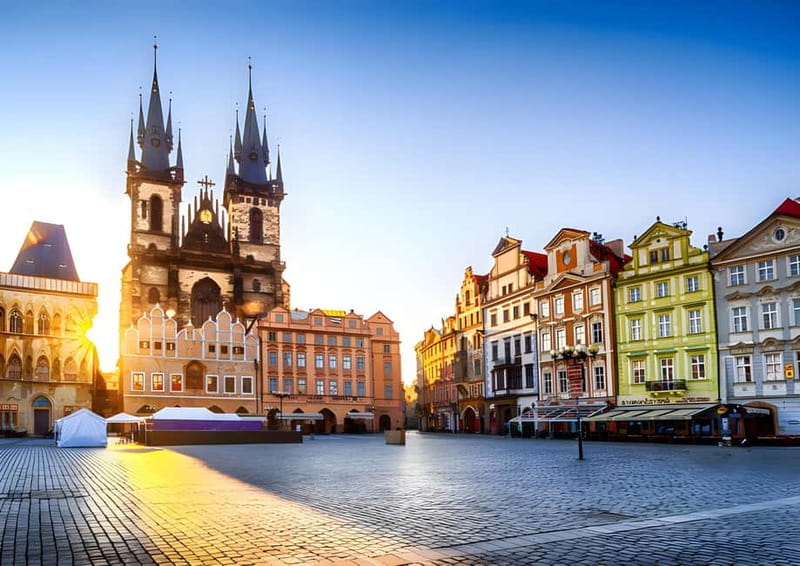
You begin in the main photo zone: Old Town Square. The Astronomical Clock is naturally the star, but the real value of a guided walk here is learning how to read what you’re seeing. You’re not just taking pictures in front of a famous face, you’re getting context for why this spot became such a powerful symbol.
You’ll also get a guided stop around the clock area, plus scenic views on the walk between landmarks. That matters because the square is busy, and it’s easy to feel like you’re standing in the same crowd without understanding what each building is telling you.
Practical tip: wear comfortable shoes immediately here, not later. The cobbles can feel fine for ten minutes, then start nagging your feet once the walking adds up.
Also chalked up in Prague
- Prague: 50-Minute Sightseeing Evening Cruise
★ 4.2 · 33,780 reviews - Prague: Medieval Dinner with Unlimited Drinks
★ 4.4 · 19,847 reviews - Prague: Skip-the-line Castle Ticket and Optional AudioGuide
★ 4.3 · 11,121 reviews
Church of Our Lady before Týn and the Powder Tower: Gothic drama at street level
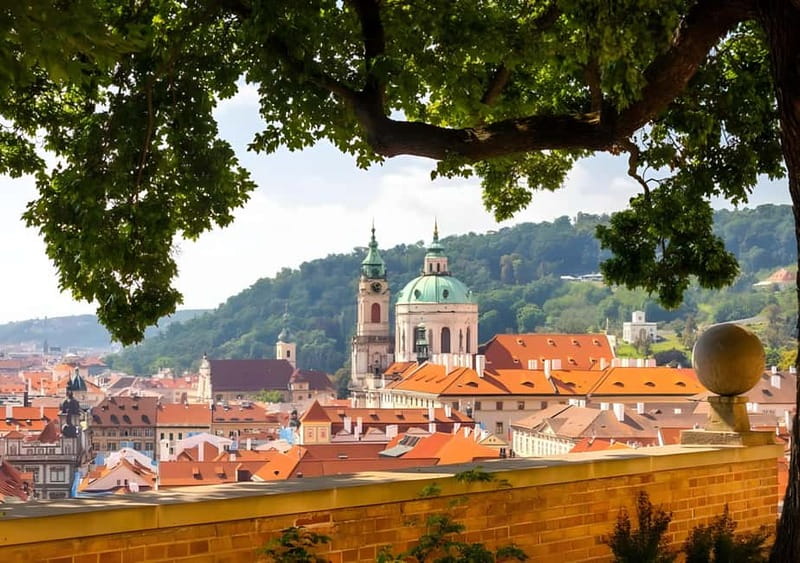
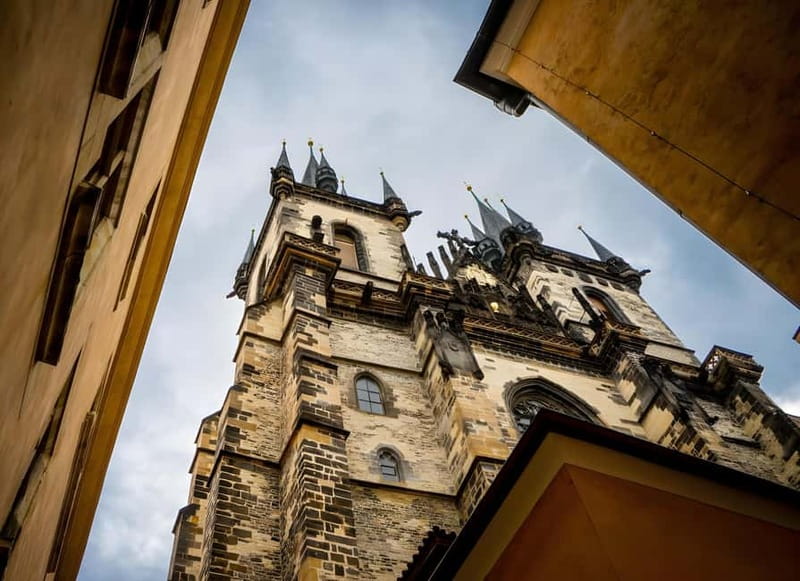
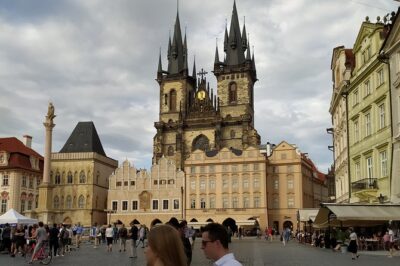
After the clock area, you move to Church of Our Lady before Týn. The guided walk focuses on the church’s history and what to look for in the façade and surrounding setting. Even if Gothic architecture isn’t your thing, this stop helps you grasp why Prague’s Old Town looks the way it does, with towers and spires shaping the skyline.
Next is the Powder Tower, another landmark where the guide’s commentary changes your experience. It’s not just a tall structure for photos, it’s part of the old defensive and civic story. Stopping at towers like this also helps you understand scale, because Prague’s buildings often look “tall and close” until someone points out what you’re measuring with your own eyes.
If you’re doing this in cooler weather, take advantage of any brief pauses. You’ll likely be standing and shifting positions for photos, and it’s easier to enjoy the stop if you’re not rushing your body just to keep up.
The Jewish Quarter (Josefov): synagogues, cemetery, and why it all fits together
Then the route shifts into Josefov, the Jewish Quarter. This is one of the most compelling parts of the day because the tour doesn’t treat the area like a single attraction. Instead, it moves site-by-site, so you can see different layers of Jewish life through separate buildings and spaces.
You’ll encounter major stops such as the Spanish Synagogue and the Old-New Synagogue (with guided time for the Old-New Synagogue area), plus other important sites like the Klaus Synagogue, the Pinkas Synagogue, and the Old Jewish Cemetery. There’s also time for the Jewish Town Hall photo stop and the ancient ceremonial hall.
What I like here is the logic: you get a sequence of places that each carry a different kind of meaning. A synagogue isn’t just a pretty interior from the outside, and a cemetery isn’t just an old burial ground. With a guide explaining the connections, you start noticing how history is stored in street layout, building names, and what survived over time.
Photo-stop note: some of these stops are primarily for viewing from outside or brief moments. If you want to go deep inside any of these places, remember that entry tickets are not included, so plan for that if it matters to you.
A courtyard deeper into Prague:

Charles Bridge to Kampa Island: classic Prague crossing, then street-art culture
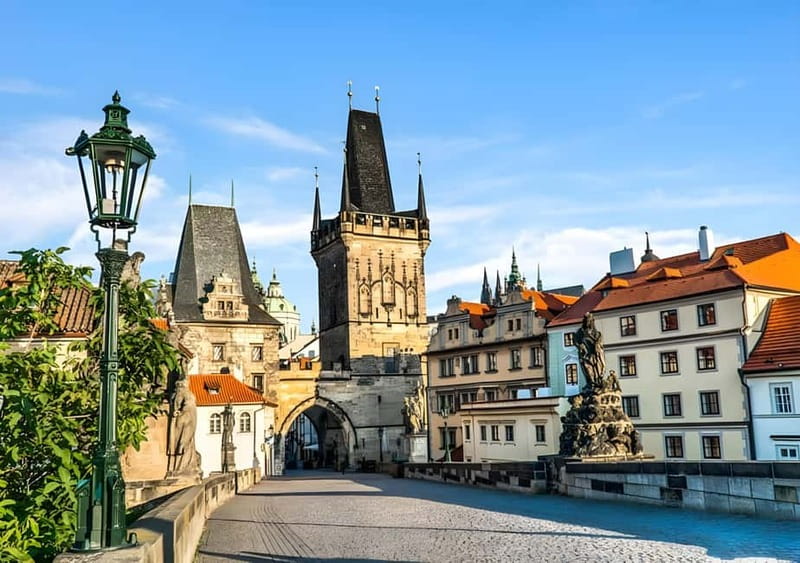
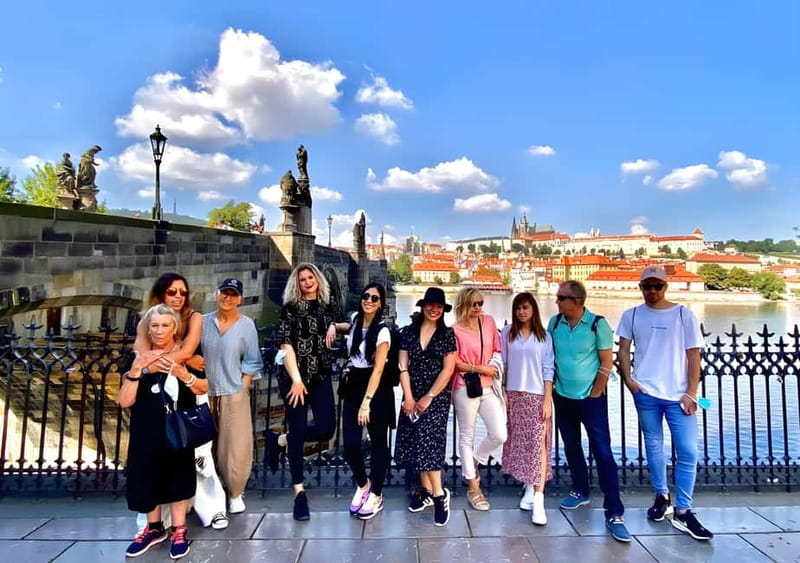
From Josefov, you head to Charles Bridge. This is one of those places where your guide can help you look beyond the obvious. You’ll be walking with commentary, and you’ll see mention of the bridge’s 30 Baroque sculptures, which gives you a simple way to understand why it looks so crowded with figures.
Once you cross, the tour reaches Kampa Island, a calmer-feeling pocket in the city. Here you’ll find the John Lennon Wall, a wall of ever-changing messages and art that people associate with creativity and public memory. You’ll also see references connected to Beethoven’s former residence, which adds another layer to the neighborhood’s cultural identity.
This is also where the route does something smart: it balances the famous landmark with a more human-scale stop. So even if you’ve photographed Charles Bridge already, Kampa can change your mental picture of Prague from postcard to neighborhood.
Lunch in a traditional Czech tavern: use the 80 minutes well
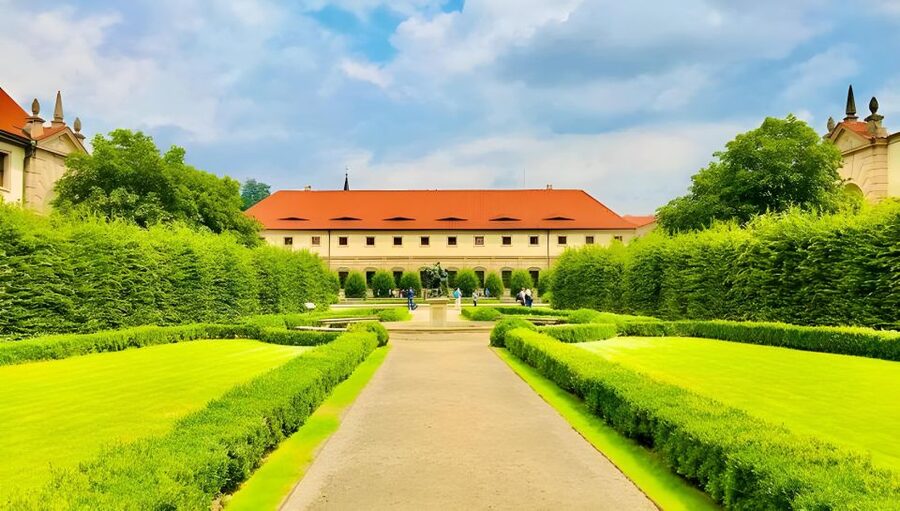
After the walking and photo time, you get a scheduled lunch break at a local restaurant with 80 minutes. Food and drinks are not included in the ticket price, but the value is that the tour gives you a real chance to eat something Czech rather than grabbing a random snack on the run.
With 80 minutes, you should aim to do two things: order early enough that you’re not stuck eating at the end, and take a short break outside if the weather allows. Prague afternoons can turn busy, and after this meal you’ll still have to move up toward Prague Castle.
Practical tip: bring water if you can, especially if you’re traveling in warmer months. The tour notes that you should bring drinks, and that’s good advice for a day that includes stairs and bridges plus castle walking.
Tram up to Prague Castle: saving energy without losing the view
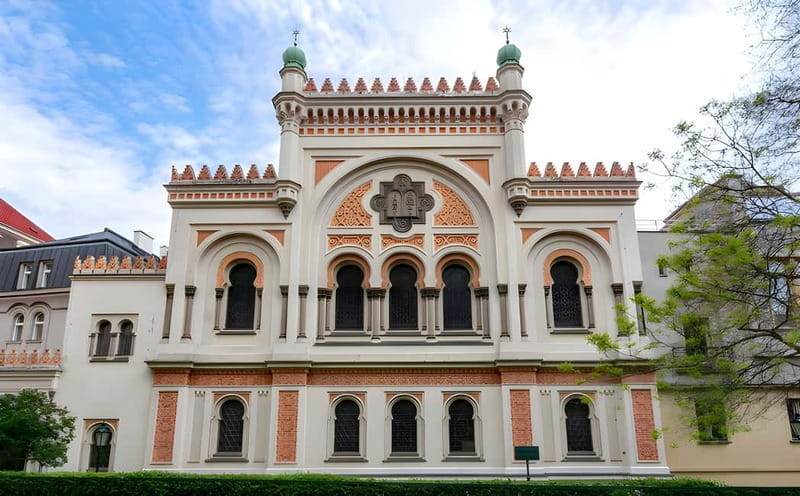
After lunch, you take a public tram for about 10 minutes. You’ll have a public transportation ticket for 30 minutes included, which makes this move simpler. This is a big deal because Prague Castle sits up on a hill, and saving energy helps you enjoy the day instead of arriving at the main sights already tired.
The castle complex is huge. You’ll feel that scale right away as you approach and start moving between points of interest. Having a guide matters less for “where to stand” and more for “how to think about what this place was.” Medieval castles weren’t built for comfort. They were built for power, defense, and ceremony, and the tour’s selection of stops reflects that.
Prague Castle and St. Vitus Cathedral: the stops you should watch carefully
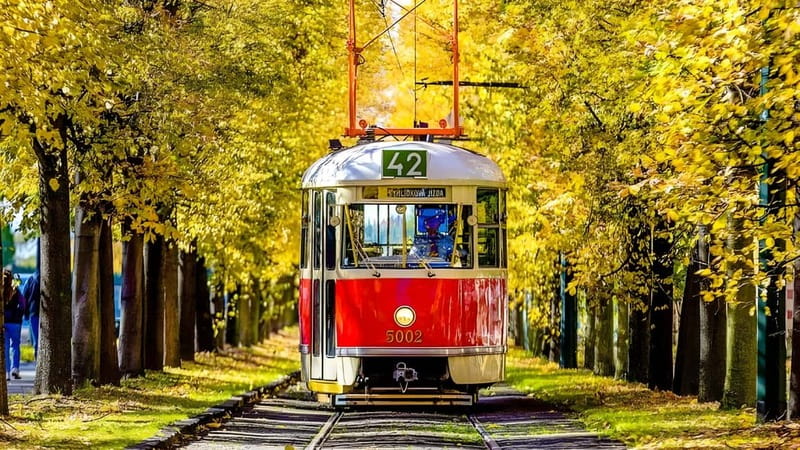
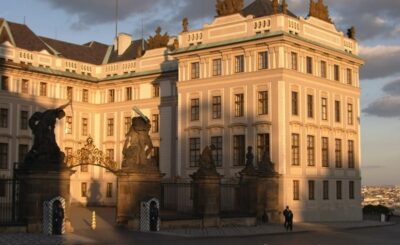
Inside the castle area, you get a guided walk and photo stops tied to the biggest features. The main highlights include St. Vitus Cathedral, the Old Royal Palace, St. George’s Basilica, and the imposing Black Tower.
You’ll also spend time around St. Vitus Cathedral as a photo stop with scenic views, plus guided context earlier in the castle segment. Cathedral visits can turn into “stand and admire” if you don’t know what you’re looking at. Here, the guide helps you connect the cathedral to the broader castle story, so the building feels like the center of a system, not just a pretty church.
If you want to get the most out of St. Vitus specifically, slow down for details like entrances, towers, and viewpoints from the surrounding areas. The best castle photos often come from shifting your position and finding angles that include more of the skyline than just the cathedral itself.
Golden Lane and the Kafka connection: small spaces, big meaning
Next comes Golden Lane. You’ll have photo-stop time and guided time, plus a specific connection: one of Franz Kafka’s former residences. Golden Lane is fascinating because it’s compact. That makes it a great counterpoint to the cathedral scale, and it helps you picture everyday life inside an enormous complex.
This is a good stop to pay attention to names and layout. In places like this, the building sizes and spacing can tell you how people lived, not just how the city looked in drawings. Even if you don’t read every plaque, guided remarks give you enough footing that you can walk away with a mental map.
Ending at Rudolfinum: a practical finish point for your next move
The tour concludes at Rudolfinum Theatre. Before that finish, you’ll have an option for how to cap the castle portion: enjoy panoramic views from the castle area, or descend the historic steps to reach Rudolfinum.
I like this choice because it matches how you feel at the end of a long day. If you’re still fresh, take in the views for a few minutes. If your legs are telling you the truth, choose the descent and shift your focus to where you’ll eat or wander next.
From a logistics standpoint, Rudolfinum is a sensible end location, so you’re not stuck trying to coordinate transportation while still tired from the walk.
Price and value: what you actually get for $55
At $55 per person for about 5 hours, the biggest value is not just “you see Prague.” It’s the structure: Old Town, Josefov, Charles Bridge, Kampa, then Prague Castle with St. Vitus.
What’s included helps you save money and hassle in the right places:
- a live expert guide throughout the walking segments
- public transportation ticket (30 minutes, used via tram)
- free time for lunch
- panoramic views and scenic stop points
What’s not included is equally important: entry tickets to attractions and food and drinks. So for the best value, I suggest treating this as a guided day of orientation and must-see sights, then deciding on your own if you want to purchase extra admission once you know which interiors you care about.
In other words: if you want a guided route that organizes your time and teaches you what the famous landmarks mean, this price tends to feel fair. If you want every interior ticket included, you’ll need to budget for that separately.
Who should book this Prague small-group tour
This tour is a strong match if you want a single-day plan that covers major districts without you needing to figure out a route, and you like a mix of guided time plus photo stops. It’s also ideal if you enjoy city history but don’t want museum-level pacing.
It’s a good choice for first-timers in Prague who want to understand why the city’s architecture and neighborhoods are connected. And it’s helpful if you like getting advice for where to go next, since the guide provides recommendations.
Choose a different option if you dislike long walks, if you’re picky about indoor entry tickets, or if you’re looking for lots of time sitting down inside attractions.
Should you book this Prague small-group tour?
Yes, if you want a guided overview that hits Old Town, Josefov, Charles Bridge, Kampa, and Prague Castle in one efficient day, with a clear starting point at Cartier and a finish at Rudolfinum. The route is well suited to travelers who want to leave Prague understanding the layout and the meaning behind the landmarks.
I’d book it with one mindset: plan to walk, plan to take photos, and plan to add any interior admissions yourself if you want them. If that matches your style, this is an easy way to get a lot of Prague, with enough guidance to make it stick.
FAQ
Where is the meeting point?
The meeting point is directly in front of the Cartier store at Staroměstské nám. 934/5. Your guide will wear an orange and white badge with Traviatour.
How long is the tour?
The duration is 5 hours.
Which languages are offered?
The live tour guide is available in Spanish and English.
What’s included in the price?
You get a walking city tour with a live expert guide, panoramic views, free time, recommendations, and a public transportation ticket for 30 minutes.
Are entry tickets to attractions included?
No. Entry tickets to attractions are not included.
Is lunch included?
Food and drinks are not included, but the itinerary includes free time for lunch at a local restaurant for 80 minutes.
Does the tour run in bad weather?
Yes. The tour takes place rain or shine.
Is the tour wheelchair accessible?
Yes, it is listed as wheelchair accessible.
Are pets allowed?
Pets are not allowed, including inside Prague Cathedral.
Where does the tour end?
The tour ends at Rudolfinum Theatre.
Newly posted under the arches of Prague

Full-Day, compared.
Full-Day Prague Tour with Prague Castle, Lunch and Vltava Cruise
Read our review →
Cesky Krumlov Full day tour from Prague and back
Read our review →
Full-Day Sightseeing Tour with Cruise and Lunch
Read our review →

Full-Day Tour with Lunch and River Boat Cruise
Read our review →