
Reviewed · TEREZIN & MEMORIAL SITE VISITS
Private Half-Day Tour To Terezin Concentration Camp
Terezin hits fast, and a private guide helps you hold it. This 5-hour trip from Prague takes you through both the Small and Big Fortresses, where you see how a military fortress became a prison, a ghetto, and a deadly system during WWII. I like the way the tour is structured as a guided walk, not a quick pass, with a local driver and guide setting the pace and context.
Two things I especially like: you get a full, guided route through the prisons and the museum spaces, and you finish with the krematorium and mass graveyard so the story lands where it should. One possible drawback is the subject matter is heavy, so if you prefer a lighter, more relaxed day, this may feel intense for a half-day schedule.
In This Review
- Key points to know before you go
- Terezin in One Half Day With a Private Guide
- Getting From Prague to Ústí nad Labem Region, Without Wasting Time
- Small Fortress: Walking Through the Gestapo Prison System
- Big Fortress: The Ghetto and the Museum That Explains Daily Life
- Hidden Chapel and Synagogue Space, Why It Was Concealed
- Magdeburg Barracks and Ghetto Culture Through Artists
- Krematorium and the Mass Graveyard, Finishing Where the Story Ends
- Price and Value: What $316 Gets You in Practice
- Guide Quality Makes the Day: Eva, Peter, and Petr
- Practical Tips: How to Prepare for a Heavy Site
- Who This Tour Fits Best, and Who Might Skip It
- Should You Book This Private Half-Day Terezin Tour?
- FAQ
- How long is the private Terezin concentration camp tour?
- Is this tour private or shared?
- What is included in the price?
- Where does pickup happen?
- What languages are available?
- Is free cancellation available?
Key points to know before you go
- Private, guided route through both fortresses, with time for questions.
- Small Fortress focus: mass cells, solitary cells, wall tunnels, and a short Nazi Red Cross propaganda film.
- Big Fortress visit includes the ghetto museum and sections focused on children and the extermination camps.
- Hidden chapel visit to a synagogue space concealed because Jewish religious signs were banned.
- Krematorium and mass graveyard visit outside the walls, built in 1942.
- Driver and pickup included, plus English and several other language options.
Terezin in One Half Day With a Private Guide
Terezin is not a museum that you can really wander through on autopilot. The grounds are physical and specific, and the story is complicated. A private guide matters here because you are not just looking at rooms, you are learning how the place functioned.
With a half-day format, you cover major sites without turning the day into a full marathon. You also get a guided flow from arrival spaces, to prisons, to ghetto life, and finally to where victims were cremated. That sequence helps you understand the transformation: fortress to prison, then ghetto, then the wider machinery of persecution.
I also like that this tour is built for conversations, not lectures. Guides on this route have been praised for being warm, personable, and able to answer questions with care. That can make a big difference when you are standing in places designed for control and suffering.
Getting From Prague to Ústí nad Labem Region, Without Wasting Time
This is a 5-hour experience that includes transportation, not just museum time. You get pickup from a location that works for you, such as a hotel, square, or airport, and then you travel by car or minivan with a driver. That matters because Terezin is outside Prague, and you do not want to spend your visit figuring out trains and connections.
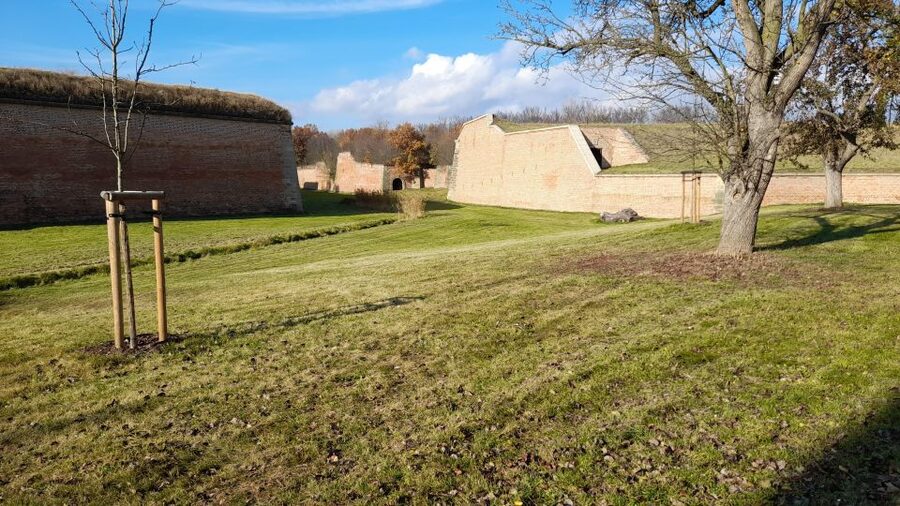
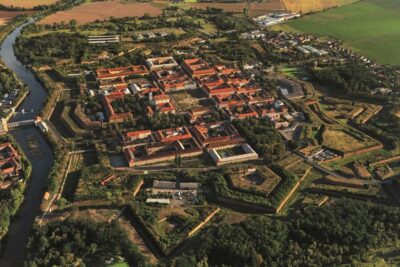
Once you arrive, the day moves in a logical order. You start at the administrative arrival area in the Small Fortress, then progress through spaces used for detention and execution-related control. Later you head to the Big Fortress, about a mile away, so you get two distinct parts of the story rather than only one.
The tour is private, meaning your group stays together. That keeps the pace steady, which helps because some parts involve confined spaces like cell blocks and corridors, where you likely want a clear explanation before you move on.
Other visits to the Terezin memorial site:
- From Prague: Terezin Concentration Camp Guided Tour w/ Audio
★ 4.6 · 2,248 reviews - Terezin Concentration Camp Day Tour from Prague
★ 4.0 · 1,007 reviews - From Prague: Terezín and Ghetto Museum Guided Tour
★ 4.3 · 571 reviews
Small Fortress: Walking Through the Gestapo Prison System
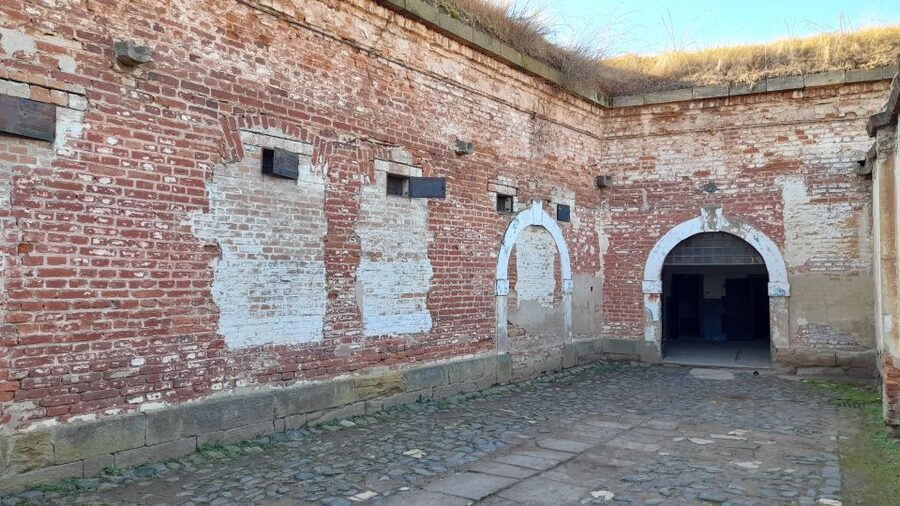
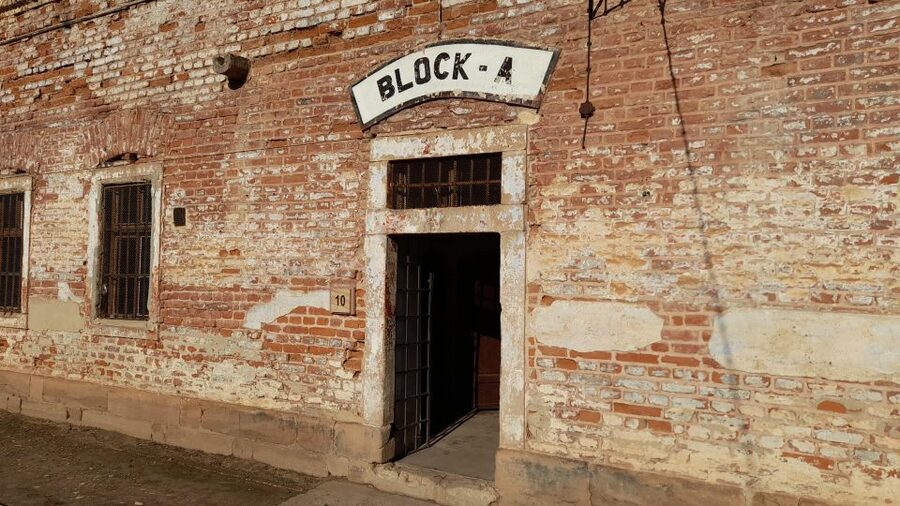
The Small Fortress is where the place feels most like a prison in a pure sense. It served as a Gestapo prison starting in June 1940 because the main Gestapo prison in Prague became overcrowded. Over the roughly five years it operated, about 35,000 prisoners passed through. The prisoner mix included political prisoners, prisoners of war, and also Jews, Roma, people with disabilities, and those labeled as common criminals.
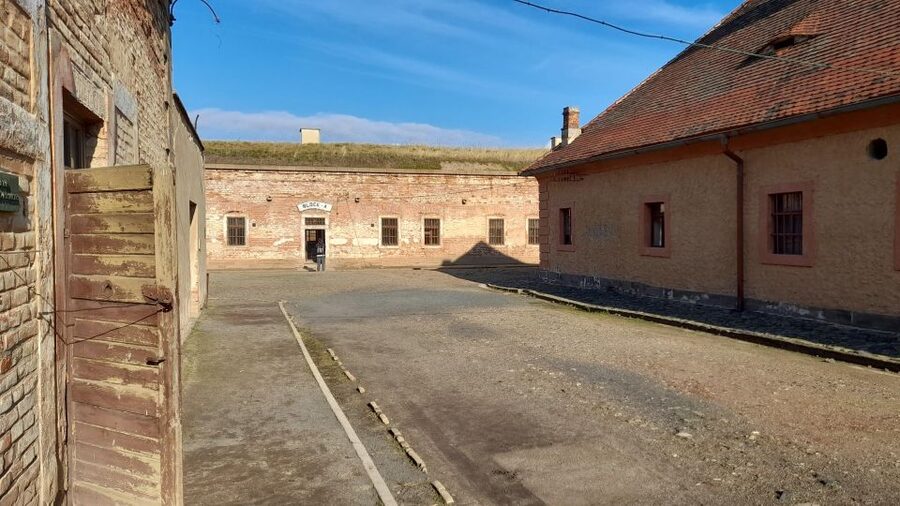
On this private tour, you see the whole prison area with your guide leading the order. It typically starts at the administrative court where prisoners arrived. You then move past the commander’s office, and into the men’s section where mass cells and a Jewish cell appear, followed by solitary cells. Each stop gives you a different angle on how detention was organized, not just where people suffered.
A few details here are especially powerful. You walk through wall tunnels, which helps you picture how movement and concealment could work. You also see the shooting range and the fourth courtyard, which Nazis later expanded with bigger mass cells due to lack of space.
There is also a short 10-minute Nazi propaganda movie made for the International Red Cross. It is brief, but it is a key reminder: the same system that imprisoned people also tried to manage outsiders’ perceptions. Your guide’s role is to frame what you are watching so it does not read like disconnected theater.
Big Fortress: The Ghetto and the Museum That Explains Daily Life
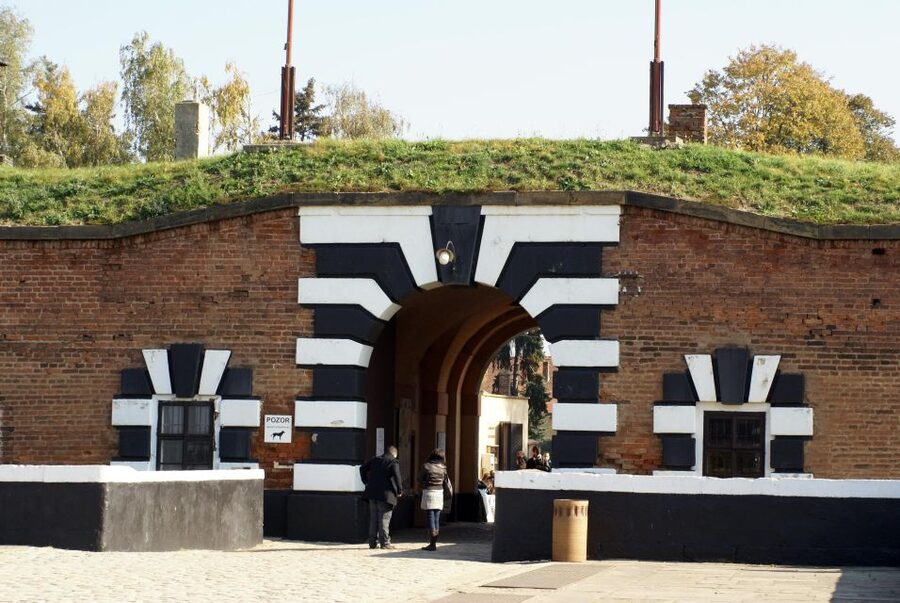
About a mile away, the Big Fortress becomes a different kind of tragedy. Starting around November 24, it served as a ghetto for Jews. Over roughly 3.5 years, around 155,000 Jews passed through its gates. From there, 63 transports left for extermination camps in Poland, carrying about 87,000 prisoners, and only around 3,600 survived the war.
A lot of visitors expect a museum to focus only on death. Here, the ghetto museum also helps you grasp everyday life inside a controlled enclosure. The visit includes the Museum of the Ghetto in former barracks for boys, where the ground floor section is dedicated to the children who lived and perished in Terezin.
Then the museum continues into the larger picture of what happened after deportation. The last sections focus on extermination camps. That structure is useful because it connects the micro world of daily survival to the macro world of the genocide system.
After the museum, you also continue into additional spaces like Magdeburg barracks and a chapel area. Together, these stops help you see how the Nazis tried to erase identity while prisoners tried to preserve community and culture.
Also chalked up in Prague



Hidden Chapel and Synagogue Space, Why It Was Concealed
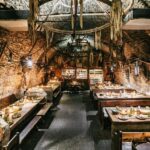
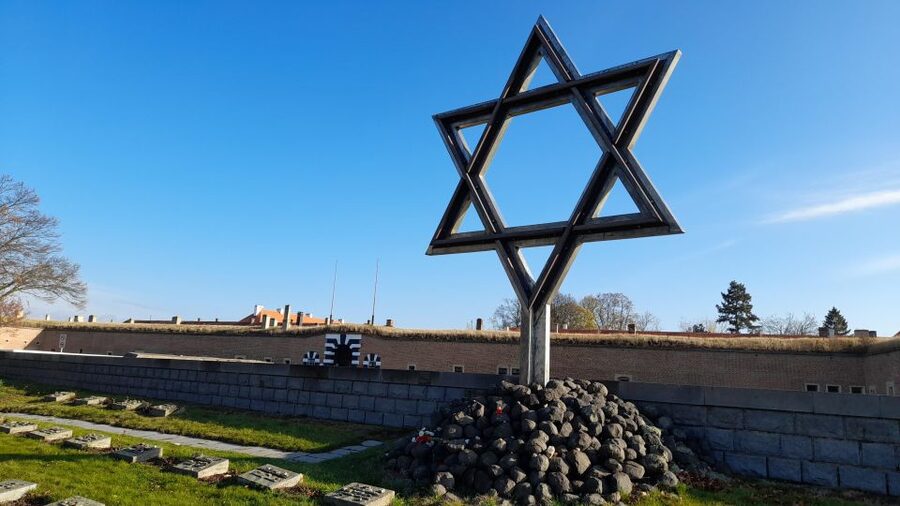
One of the most striking parts of the Big Fortress visit is the hidden chapel. This is where a hidden synagogue in Terezin appears. The tour focuses on one of six such hidden synagogues, concealed because any signs of Jewish religion were banned by the Nazis.
This chapel is hidden in a storage room. That detail changes how you experience it. You are not just seeing a sacred space, you are seeing how faith had to survive under surveillance. The building choices and the secrecy are part of the story, and a good guide will help you read those choices.
It is a small stop compared with the scale of the fortresses, but it carries a lot of weight. It also balances the day. After prison corridors and mass cells, the chapel underscores courage and self-sacrifice, not only suffering.
Magdeburg Barracks and Ghetto Culture Through Artists
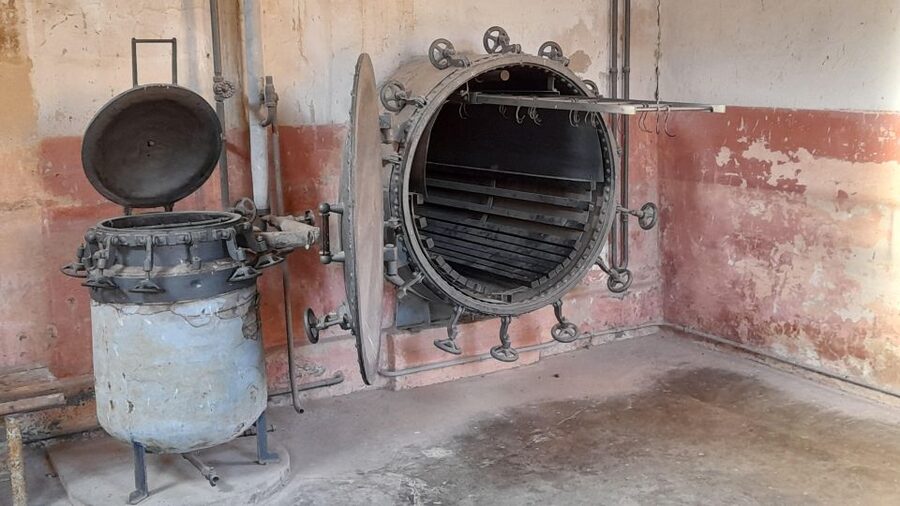
After the chapel and synagogue space, you head to Magdeburg barracks. Here you get a look at what the dormitories looked like, plus a chance to learn about culture in the ghetto.
The important point is not just that culture existed, but that many Jewish prisoners were accomplished artists. That means you get a more human view of what life tried to be, even when the Nazis tried to reduce people to numbers.
If you are the type of traveler who likes details, this is a good place. Your guide can help you connect the dots between the physical layout of barracks and how people kept routines, identity, and creative energy alive.
This part can also shift your emotional temperature. You are still in a place built by oppression, but you are seeing the ways people resisted erasure with art, memory, and community.
Krematorium and the Mass Graveyard, Finishing Where the Story Ends
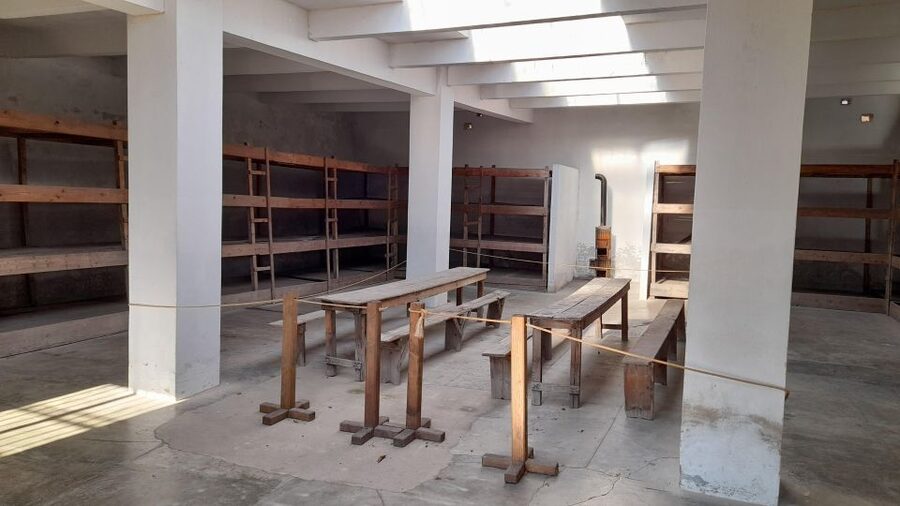
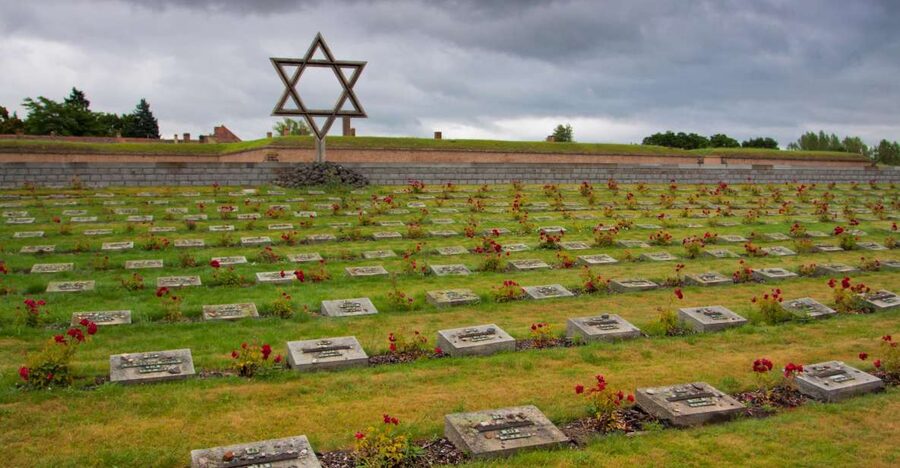
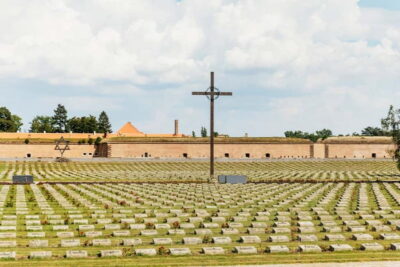
Toward the end, you visit the krematorium located outside Terezin’s walls. It was built in 1942, and victims’ bodies were cremated there.
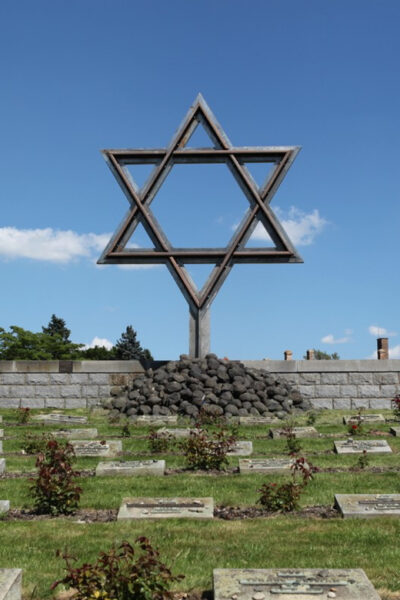
Next to the krematorium is a mass graveyard. You do not need extra dramatization for this stop to hit. It is final and it is plain, and it clarifies what the fortresses were connected to beyond fences and barracks.
I find it helpful to mentally reset here. Up to this point, the tour has covered arrival, prisons, ghetto life, and cultural survival. The crematorium and graveyard are the culmination of the system you have been tracing. If you keep that in mind, you get more meaning from what you see.
Price and Value: What $316 Gets You in Practice
At $316 per person for a 5-hour private tour, this is not a budget outing. But when you look at what is included, it starts to make more sense.
Your price covers:
- a private guide,
- a driver,
- a car or minivan,
- and the entrance fee to the Terezin Memorial.
You are also buying time efficiency. Pickup is included, and you do not have to coordinate transport on your own. You are essentially paying for a guided, door-to-door day that hits the major sites in one stretch.
Private guidance is the big value driver. In a place like this, knowing what you are looking at matters. A skilled guide helps you understand why buildings were used the way they were and how the fortress structure shaped detention. That is hard to replicate if you only do self-guided walking.
Guide Quality Makes the Day: Eva, Peter, and Petr
The best private tours can do something subtle. They can make room for your questions without rushing the facts. In this case, the guides associated with this experience have been described as warm, personable, and deeply careful with the material.
For example, Eva is praised for being warm and full of information. One review also highlighted something rare, an added layer of context about Czech life before, during, and after the Velvet Revolution. That kind of framing can help you understand the broader national story around the Holocaust, rather than treating WWII as a sealed chapter.
Peter is noted for both knowledge and friendliness, with compassion showing through as the tour unfolded. Another guide, Petr, received specific praise by name.
Even if you do not get the exact guide someone else had, the pattern matters: you are likely to be met by someone local who can explain history clearly and with care. In this setting, that is not a nice extra. It is a core part of whether the day feels meaningful.
Practical Tips: How to Prepare for a Heavy Site
You do not need special gear, but a bit of preparation makes the visit easier to handle.
- Wear comfortable walking shoes. You will be moving through multiple areas and courtyards.
- Bring a layer. Fortress sites can feel cooler or drafty, and you want to stay comfortable while you listen.
- Plan to move slowly. Some stops involve tight spaces like cell blocks and corridors, and you will likely want time to process explanations before you move on.
- If you need a breather, ask your guide. Private touring gives you a little flexibility to pause.
Also, do not treat this as a quick checklist. The value comes from understanding the sequence: Small Fortress detention spaces, Big Fortress ghetto life and museum areas, then the crematorium end point.
Who This Tour Fits Best, and Who Might Skip It
This private tour is a great fit if you:
- want a guided, structured experience through both fortresses,
- care about context, not just photos,
- and prefer a private day with pickup and transportation handled.
It may be less ideal if you:
- want a light, casual outing,
- or you are not ready for intense historical content in a short timeframe.
Because it is 5 hours, you get a lot of meaning packed into one day. That can be excellent for travelers who like efficiency. It can also feel like a lot if you prefer longer pacing or breaks between major emotional sections.
If you are visiting Prague and only have half a day, this tour is one of the most direct ways to get the core sites without losing time.
Should You Book This Private Half-Day Terezin Tour?
I would book it if you want a clear path through both the prison side and the ghetto side, with a guide who can explain what you are seeing as you move. At $316 per person, you are paying for privacy, transportation, entrance access, and a guided experience built to cover the major sites in about 5 hours.
If you can handle heavy subject matter, this is one of those trips where the structure is the point. You end with the crematorium and mass graveyard, not a vague stop somewhere in the middle. That gives the day a complete arc.
On the other hand, if you would rather experience Terezin at your own pace, or you have strong sensitivities to WWII sites, consider whether a private, condensed half-day is right for you.
FAQ
How long is the private Terezin concentration camp tour?
The tour duration is 5 hours.
Is this tour private or shared?
This is a private group tour, with your own guide.
What is included in the price?
Included are the private tour guide, a driver, a car or minivan, and the entrance fee to Terezin Memorial.
Where does pickup happen?
Pickup is included and the guide will pick you up at any place that suits you, such as your hotel, a square, or the airport.
What languages are available?
The live tour guide is available in English, Spanish, French, Russian, Italian, Czech, and German.
Is free cancellation available?
Yes, you can cancel up to 24 hours in advance for a full refund.
Newly posted under the arches of Prague


Terezin & Memorial Site Visits, compared.
Terezin Concentration Camp Guided Tour w/ Audio
Read our review →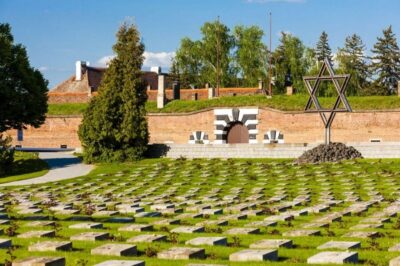
Terezin Concentration Camp Day Tour from Prague
Read our review →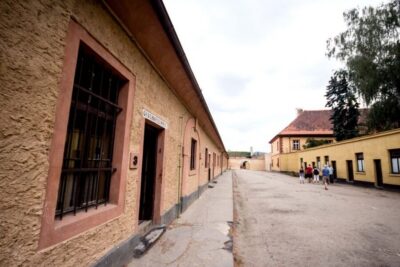
Terezin & Bohemian Switzerland from Prague: Bastei, Narnia & Café
Read our review →
Browse the lists this tour appears in