
Reviewed · TEREZIN & MEMORIAL SITE VISITS
Terezin, Ustek and Litomerice Concentration Camp-Guided Tour
Terezin teaches hard history, with real artifacts. This guided trip helps you connect names, places, and dates in a place built for suffering, using items like children’s drawings and surviving poems to put faces back on the story. I like that the tour includes a professional English-speaking guide, and I like that you cover the Small Fortress plus the ghetto sites in one focused route. The main drawback is simple: this is heavy material, so give yourself some mental buffer, and wear shoes that can handle long, serious walking.
You’ll start in Prague at Café Golem in the Jewish Quarter, then ride about an hour north. The total time is about 6 hours, with a 5-hour on-site experience at the monuments, so it’s not a quick drive-by.
In This Review
- Key things to know before you go to Terezín
- Terezín’s setup, and why it feels different
- Meeting at Café Golem, then leaving Prague with a plan
- The route north, and what your guide will help you notice
- Small Fortress and Museum: Gestapo prison before the ghetto label
- The Ghetto Museum and the Magdeburg Barracks: the system at human scale
- Hidden Synagogue: faith and identity where it was most threatened
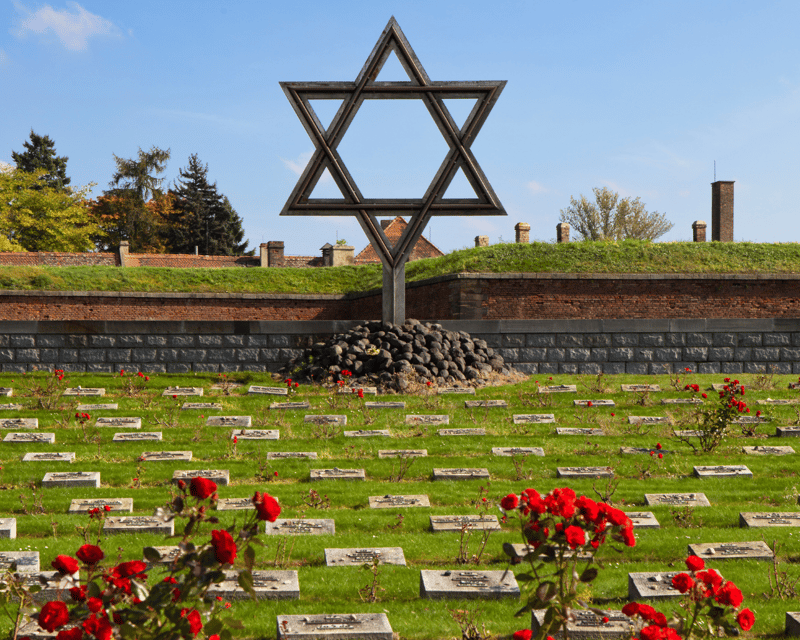
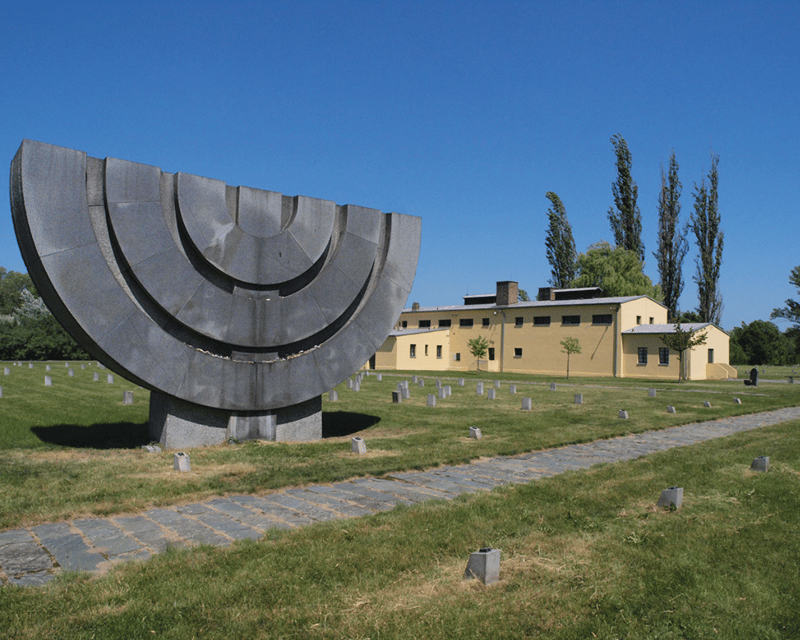
- Jewish cemetery and crematorium: ending with remembrance, not spectacle
- Price and value: is $380 a good use of your day?
- Who this tour fits best, and who should reconsider
- Should you book the Terezín, Small Fortress, and ghetto sites tour?
- FAQ
- FAQ
- How long is the Terezín, Ustek and Litoměřice concentration camp guided tour?
- Where is the meeting point?
- Is transportation included?
- Is admission to the monuments included?
- What will I see during the tour?
- What languages are available for the live guide?
- What should I bring?
- Is there free cancellation?
- Can I reserve and pay later?
Key things to know before you go to Terezín
- Small Fortress + Museum: learn how the place operated as a political and Gestapo prison before and during its ghetto role
- Ghetto Museum and Magdeburg Barracks: see how the Nazi system was organized, not just what happened in the end
- Hidden Synagogue: a powerful reminder that religious life and identity persisted where they tried to erase it
- Jewish cemetery and crematorium: you end in the sites tied to death, grief, and remembrance
- Transport from Prague is included: you skip the hassle and use your time for the guided parts
Terezín’s setup, and why it feels different
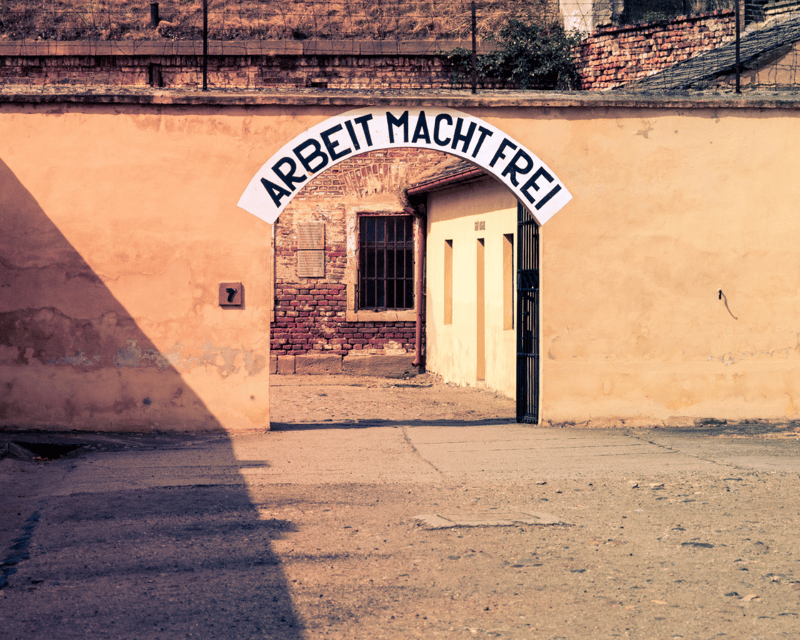
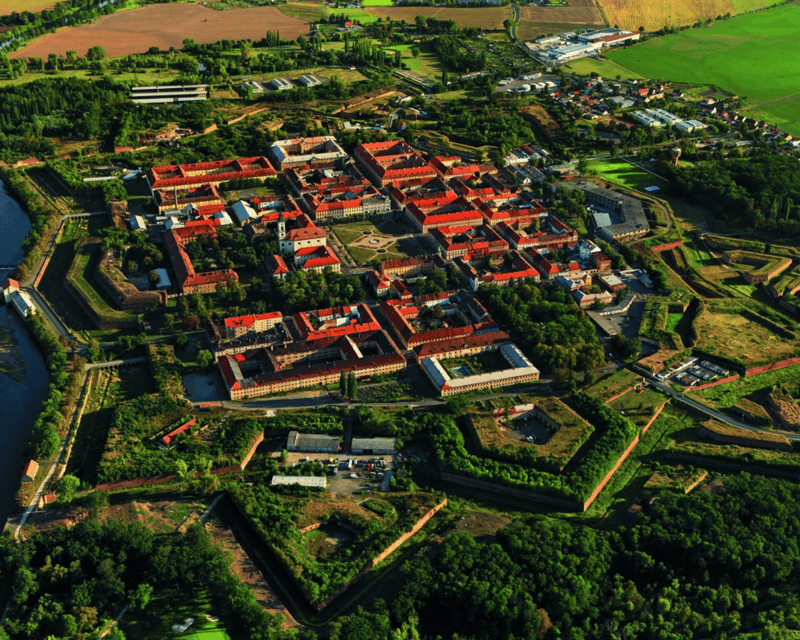
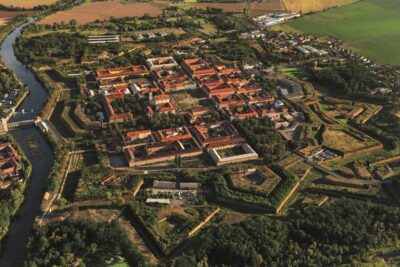
Terezín is about an hour north of Prague. During World War II, Nazi Germany assigned the Gestapo to turn it into a Jewish ghetto and concentration camp, with the key goal of controlling and deporting people. In other words, it was not just a prison area, it was part of a broader machine that moved people onward.
Over 150,000 Jews were sent there, including about 15,000 children. Many were deported later by rail to extermination camps in occupied Poland, especially Treblinka and Auschwitz. When I think about what you’ll actually learn here, the big takeaway is the scale plus the timeline, how the system shifted as it processed human lives.
The tour’s approach matters because Terezín is described as psychologically and physically different from the other camps. You will still see confinement and brutality, but the place also carries a specific kind of constructed function. That difference is exactly why a guide helps. Without context, the site can look like a jumble of buildings and walls. With a guide, those features start to mean something.
Meeting at Café Golem, then leaving Prague with a plan
Your meeting point is Café Golem inside the Jewish Quarter Information and Reservations Center on Maiselova street, in Prague 1, Josefov. This matters because it keeps you anchored in the Jewish Quarter, where the modern city still shows layers of Czech Jewish life.
From there, the tour includes transportation to the Terezín concentration camp sites. That “included” word is not trivia. It means your first questions, Where do I go?, How do I get there?, and What time does the bus leave? are handled for you, so you can focus on the history when you arrive. At $380 per person, I also appreciate that it is not just a guide script. You’re paying for the full day flow: pickup logistics, a professional guide, and monument admissions.
Duration is listed as 6 hours overall, with a 5-hour experience. That usually signals a realistic pace: enough time to move through multiple monuments without turning it into a speed-walk. Still, you should plan on a long, grounded day. Bring comfortable shoes, because the surfaces and distances can add up quickly.
Other visits to the Terezin memorial site:
- From Prague: Terezin Concentration Camp Guided Tour w/ Audio
★ 4.6 · 2,248 reviews - Terezin Concentration Camp Day Tour from Prague
★ 4.0 · 1,007 reviews - From Prague: Terezín and Ghetto Museum Guided Tour
★ 4.3 · 571 reviews
The route north, and what your guide will help you notice
As you leave Prague, you’re moving toward a place that was built into the Nazi deportation pipeline. The history here is complicated: Terezín held Jews from Czechoslovakia, and it also received tens of thousands deported chiefly from Germany and Austria, plus hundreds from the Netherlands and Denmark.
This matters for how you should listen. Instead of thinking of Terezín as only “one group of victims,” you should track the movement. Where did people start? How did deportations work? When you view the monuments with that lens, the sites start to feel like chapters in a sequence, not separate stops.
A strong sign this tour is built for interpretation is that it is offered with a professional English-speaking guide and additional language options. The guide is also noted as very competent and well organized, with attention to personal needs. That kind of flexibility can be useful when a topic gets intense and you want clear, steady explanations rather than a rigid lecture.
Small Fortress and Museum: Gestapo prison before the ghetto label
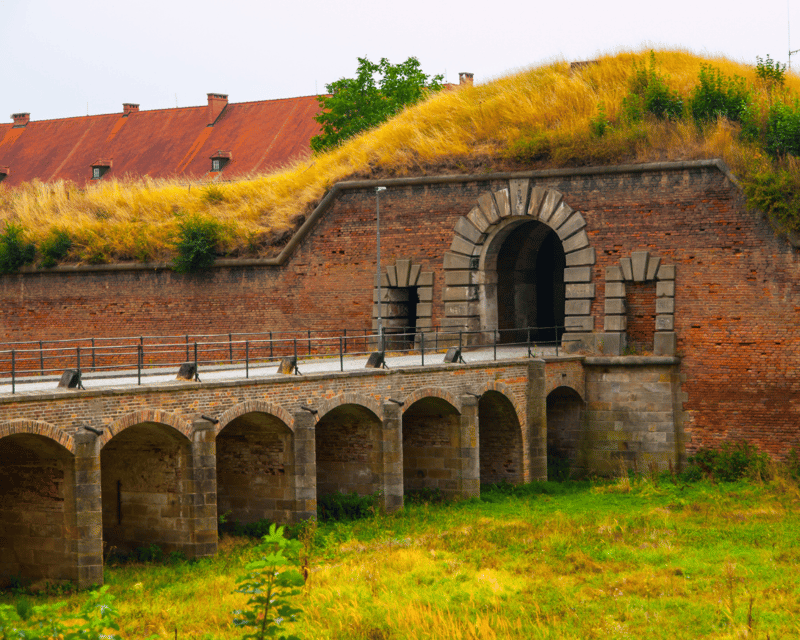
One of the first major stops is the Small Fortress, along with its Museum. This area served as a former political and Gestapo prison during World War II. That detail changes how you look at the space, because it positions the fortress as part of political repression, not only internment.
In the Small Fortress, you’re not just learning “where prisoners were kept.” You’re learning how power worked at the ground level, how control and fear were administered in physical space. The Museum component helps connect what you see to what it meant, so you can connect artifacts and evidence to the human reality.
A useful way to approach this stop is to slow down mentally. If you spend this part “just taking photos,” you’ll miss the context that makes the rest of the day click. If you take it as guided evidence, the story becomes more coherent. That coherence is where guided tours earn their keep.
Also chalked up in Prague



The Ghetto Museum and the Magdeburg Barracks: the system at human scale
Next comes the Ghetto Museum and the former Magdeburg Barracks. The ghetto story here is not abstract. It involved a huge number of people arriving, living under forced conditions, and later being deported onward.
The Magdeburg Barracks are especially important because they help you visualize how overcrowding and control were structured. Without a guide, barracks can look like generic “wartime buildings.” With a guide, you can understand how a camp layout, documentation, and everyday constraints supported the overall deportation goal.
This is also where those surviving items become more than emotional artifacts. The materials are noted as children’s drawings, poetry, and rare items that survived their owners to speak for them. When you see those objects in context, you’ll likely understand why a tour like this is described as essential to understanding complicated history. It is not just dates and numbers. It is testimony, preserved in what people made and wrote.
Hidden Synagogue: faith and identity where it was most threatened
You’ll also visit the hidden Synagogue. This stop can feel like a pause in the intensity, but it’s not a break from the story. It shows that religious life and identity were still present even under extreme repression.
The word hidden matters. It implies secrecy and risk, not comfort. So when you look at that space, aim for a mindset of what it represented to the people living there. What did it cost to preserve belief? What did it mean to hold on to community when everything else was being stripped away?
Even if you know some Czech Jewish history already, this kind of physical reminder tends to make the past more personal. And since the tour is guided in multiple languages, you can expect clear framing of why this room is historically significant.
Jewish cemetery and crematorium: ending with remembrance, not spectacle
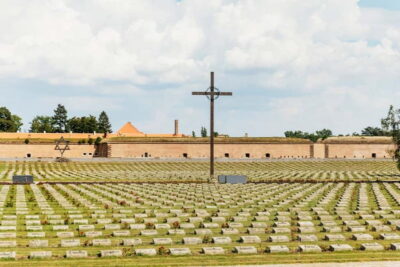
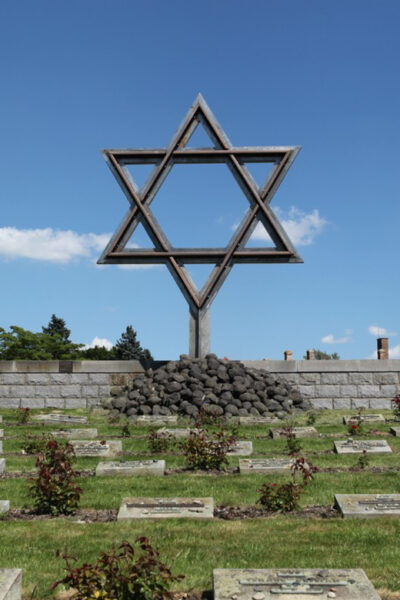
The tour also includes the Jewish cemetery and the crematorium. These sites are the closing emotional notes. They connect the ghetto story to death outcomes, and they reinforce what the timeline implies: many people were deported onward, and many did not survive.
You should treat this part with the same respect as the earlier monuments. It’s tempting to want a “final photo spot,” but a better way to remember the day is to let the guide’s explanations land. If you’re sensitive to heavy content, this is where pacing matters most.
A helpful practical tip: keep your water and basics ready earlier in the day. When you reach the cemetery and crematorium, you’ll want to focus on what you’re seeing and hearing, not on sudden errands or fatigue.
Price and value: is $380 a good use of your day?
At $380 per person, this is not a budget outing. But it does include transportation, admission to the monuments, and a professional guide. You also get a 6-hour overall timeframe with a 5-hour on-site experience, which suggests you are buying time and interpretation, not just a ticket to walk around alone.
Where the value shows up is in coverage. You see the Small Fortress and Museum, the Ghetto Museum, the Magdeburg Barracks, a hidden Synagogue, a Jewish cemetery, and a crematorium. That is a lot of ground, and it is far more useful when someone ties the sites together so you understand why each one exists.
The private group format also helps value for many people. Even without specific group size details, private typically means less waiting and more room for the guide to address questions. The review feedback praising a competent, well organized guide who pays attention to personal needs lines up with what you want at a place like this.
If you’re comparing alternatives, the key question is not just cost. Ask yourself: do I want a self-guided walk through multiple monuments, or do I want someone to connect the dots and keep the story accurate and respectful?
Who this tour fits best, and who should reconsider
This is a great match if you care about Czech Jewish history and you want to understand how deportations unfolded through Terezín. It’s also a good fit if you appreciate guided context, artifacts, and focused explanations rather than quick passing highlights.
If you’re traveling with kids, or you are someone who struggles with intense emotional topics, you might want to think carefully about timing and mental stamina. The tour includes material connected to children’s experiences through surviving drawings and poetry, and that can be difficult.
If you only want a “tourist” style day, this may not fit. This experience is built for learning and remembrance. You should come ready for a serious tone and a day that will likely linger with you afterward.
Should you book the Terezín, Small Fortress, and ghetto sites tour?
I’d book it if you want structure, context, and full coverage in one outing. The combination of Small Fortress, Ghetto Museum, barracks, hidden Synagogue, and the cemetery and crematorium makes it hard to get the same understanding on your own. Plus, the included transport and admission simplify your day, so you’re not juggling logistics while you’re already processing heavy history.
Skip or postpone it if you know you cannot handle intense material, or if you prefer to move at your own pace without a guide shaping the narrative. In that case, you might still visit Terezín, but choose a different format that better matches your comfort level.
FAQ
FAQ
How long is the Terezín, Ustek and Litoměřice concentration camp guided tour?
The tour duration is listed as 6 hours, with a 5-hour experience at the monuments.
Where is the meeting point?
You meet at Café Golem inside the Jewish Quarter Information and Reservations Center, Maiselova street 38/15, 110 00 Prague 1-Josefov, Czechia.
Is transportation included?
Yes, transportation is included.
Is admission to the monuments included?
Yes, admission to the monuments is included.
What will I see during the tour?
You will see the Small Fortress and its Museum, the Ghetto Museum, the former Magdeburg Barracks, the hidden Synagogue, the Jewish cemetery, and the crematorium.
What languages are available for the live guide?
Live guide languages include English, French, Portuguese, Spanish, German, Italian, Russian, Hebrew, Polish, Ukrainian, and Hungarian.
What should I bring?
Wear comfortable shoes and bring weather-appropriate clothing.
Is there free cancellation?
Yes. You can cancel up to 24 hours in advance for a full refund.
Can I reserve and pay later?
Yes. The option is offered to reserve now and pay later.
Newly posted under the arches of Prague




Terezin & Memorial Site Visits, compared.
Terezin Concentration Camp Guided Tour w/ Audio
Read our review →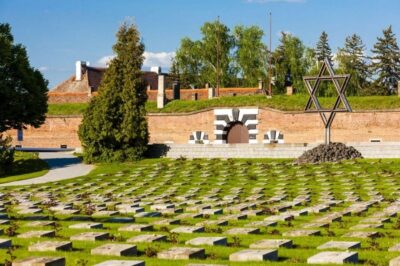
Terezin Concentration Camp Day Tour from Prague
Read our review →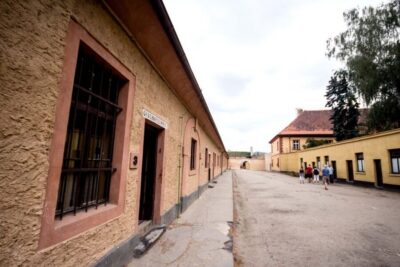
Terezin & Bohemian Switzerland from Prague: Bastei, Narnia & Café
Read our review →
Browse the lists this tour appears in