
Reviewed · HISTORICAL TOURS
Historic Prague: Exclusive Private Tour with a Local Expert
Prague can feel like a set of time machines, and this private walk is one of them. You start in Hradčany and end at Charles Bridge, with a local expert who matches the pace to your group and swaps in extra emphasis based on what you care about. It is a focused, history-heavy route without the chaos of a big group.
Two things I like a lot: you get real storytelling tied to major landmarks, and the itinerary is flexible enough to feel personal. One example from past tours included a guide named Eva, praised for connecting medieval splendor all the way to the Velvet Revolution, which is the kind of through-line that makes Prague history click.
The main consideration is simple: this is a walking tour, and it is not recommended for guests with impaired mobility. Also, some stops can vary depending on weather, so wear shoes you trust.
In This Review
- Key highlights on this Hradčany-to-Charles Bridge private history walk
- Private guide, tailored route from Hradčany to Charles Bridge
- What 2 hours buys you in Prague
- Hradčany Castle complex: a thousand years in one concentrated place
- Communism memorial: seeing how politics left marks on real lives
- Post-communist Prague in one modern architectural statement
- WWII resistance at the cathedral, including Operation Anthropoid
- Kafka in public art: Franz Kafka’s literary stop
- The central gathering place where demonstrations and celebrations happened
- The Gothic city gate tower: medieval urban logic you can still see
- The Astronomical Clock: medieval engineering you can still watch
- The historic Jewish ghetto: synagogues and an old cemetery
- Charles Bridge ending: saints, history, and the Vltava river line
- Price and value: is $162.90 per person worth it?
- Who this tour fits best in Prague
- My booking advice: should you book this Prague private history tour?
- FAQ
- How long is the private Prague historic tour?
- Where does the tour start and where does it end?
- Is this an exclusive private tour or a group tour?
- What is included in the price?
- Are museum or monument entry tickets included?
- Can I get a full refund if I cancel?
Key highlights on this Hradčany-to-Charles Bridge private history walk
- Exclusive private format: only your group, with a guide who can adjust to your interests and walking pace
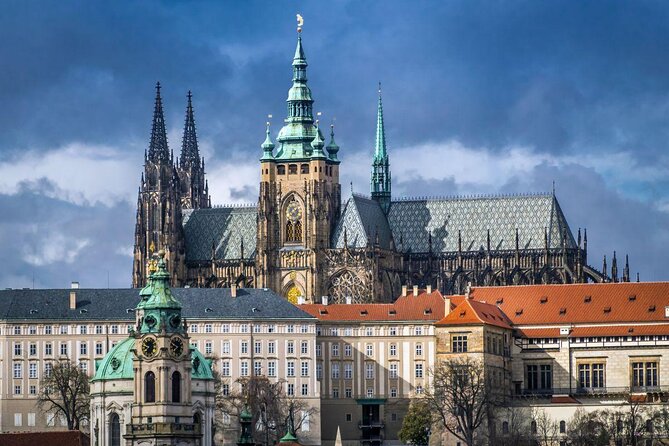
- Hradčany Castle complex: a huge symbol of Czech history with architectural styles shaped over a millennium
- Communism memorial stop: a direct reminder of the country’s communist past and the impact on Czech people
- World War II cathedral and Operation Anthropoid: resistance history is a central theme, not an afterthought
- Astronomical Clock area: one of the oldest astronomical clocks still operating, presented as medieval engineering you can actually see
- Charles Bridge end stop: statues of Catholic saints plus the bridge as a long-standing symbol of Prague’s medieval and religious life
Private guide, tailored route from Hradčany to Charles Bridge
This is set up as a true exclusive private tour, meaning you are not blending into a moving crowd. Your guide is a local expert, hosted by an independent local, and the itinerary is designed to adapt to your interests and walking pace. That matters in Prague, where the best part is often the context, not the selfie.
The practical pieces are also solid. You will start at Hradčanské nám. 182/5, 118 00 Praha 1-Hradčany, Czechia and finish at Karlův most, Karlův most, 110 00 Praha 1, Czechia. The tour is near public transportation, so you can usually link it to the rest of your day without stress. You also get a mobile ticket, which helps when you are juggling multiple sights.
Two more details worth knowing. Service animals are allowed. And stops may vary depending on weather, which is helpful when rain or wind turns outdoor time into an endurance test.
What 2 hours buys you in Prague
Two hours can feel short in Prague, until you see how many “story anchors” you can hit with a guide who knows how to connect them. Here, the route is built around major historical layers: medieval power, 20th century politics, resistance in World War II, and the way Prague still shows those changes today. If you only have a day to do big-picture orientation, this format can be a time-saver.
The upside of a tight schedule is you are less likely to wander randomly and more likely to leave with a mental map. You can then use the remaining hours of your visit to explore on your own with better instincts for where to go and what to pay attention to.
The tradeoff is that you will be moving. There is enough walking that you should plan for sore feet, especially in cobblestone areas. If you want long sit-down breaks, this is not that kind of tour. If you want a guided sprint through Prague’s turning points, it is a great match.
More dynasties in a single walk:
- Prague: Oldtown, Medieval Underground & Dungeon History Tour
★ 4.3 · 10,277 reviews - Prague Old Town, Medieval Underground and Dungeon Historical Tour
★ 4.5 · 3,227 reviews - Prague: Communism History and Nuclear Bunker Guided Tour
★ 4.7 · 2,417 reviews
Hradčany Castle complex: a thousand years in one concentrated place
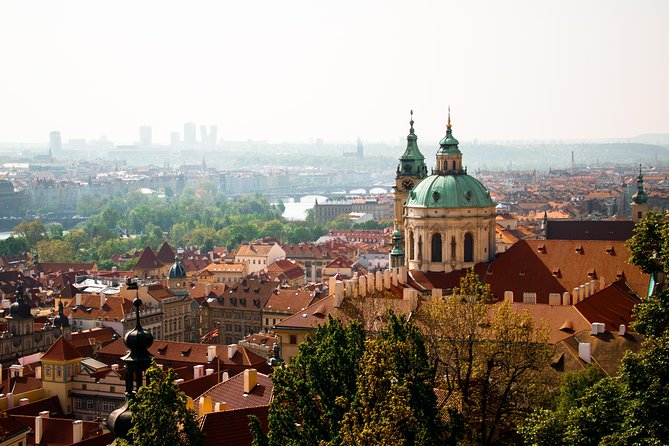
Your first major stop is the castle complex in Hradčany. The reason this works so well at the start is because it gives you a foundation. This complex is described as one of the largest in the world and tied to a millennium-long construction story, meaning you get several architectural styles in one sight.
As a traveler, I like starting here because it helps you understand why Prague became what it became. Later stops make more sense once you’ve seen how power, design, and national identity all got layered over time. Even if you do not go inside every structure, the idea of “centuries stacked together” is the point, and your local expert can guide what to notice first.
Practical tip: if the weather is bright, the outer viewpoints tend to reward you. If it is cold or wet, you might need to balance time between looking and moving, so listen to your guide about where to stand for the best perspective.
Communism memorial: seeing how politics left marks on real lives
Next comes a stop described as a poignant reminder of the country’s communist past. This memorial symbolises the suffering and impact of communist rule on the Czech people.
This kind of stop is important because Prague is not only castles and old stones. It is also modern history that still shapes how people talk about their national story. In a private format, your guide can adjust the tone and depth based on what your group is ready for. If your trip includes kids or you want a lighter approach, you can ask for the overview first, then go deeper only if you want to.
The potential drawback here is emotional weight. You do not have to force yourself to absorb every detail. If the subject hits hard, take a moment, then continue. A good guide will help you pace it.
Also chalked up in Prague

Post-communist Prague in one modern architectural statement
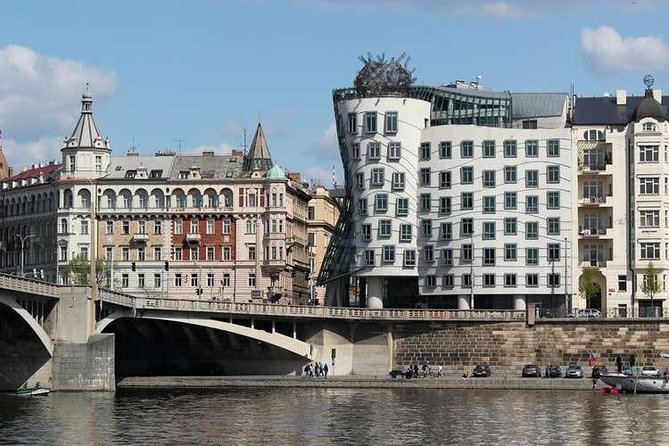
Then you shift from the solemn past to the city’s visual language of change. The itinerary includes an example of modern architectural design in Prague, described as unique and non-traditional, symbolising the city’s post-communist era.
I find stops like this valuable because they show you that history is not trapped in the museum zone. Prague’s timeline is visible in how it builds. Even if modern design is not your usual interest, having it explained alongside political change helps you see what you are looking at instead of just appreciating it as a strange shape.
If you are a photography person, this stop is likely to give you a stronger contrast shot than another round of medieval facades. Still, bring patience. Modern design details can be subtle, and the guide’s explanation is what turns it from “I saw a building” into “I understand why it looks like that.”
WWII resistance at the cathedral, including Operation Anthropoid
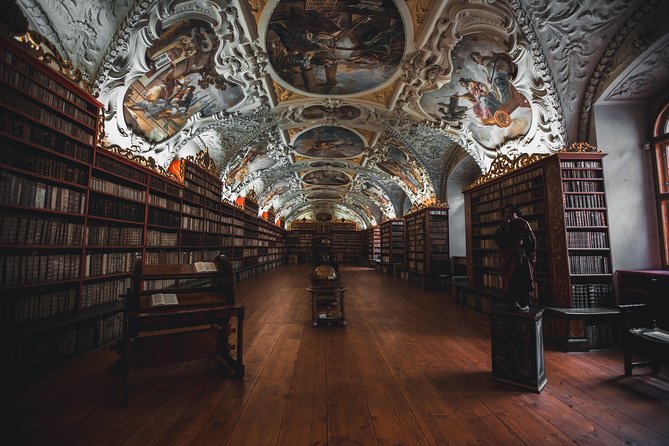
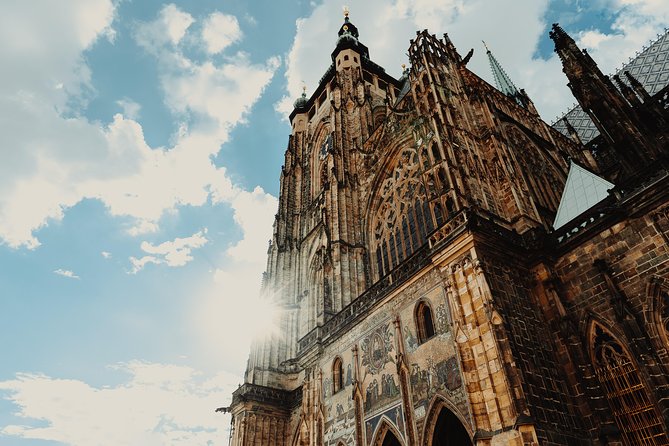
Another stop focuses on a cathedral tied to Czech resistance during World War II, including its role in Operation Anthropoid.
This is the kind of landmark that can be hard to decode solo, because you often see the building but not the story attached to it. In a private tour, you can ask direct questions and have the guide connect the architectural setting to the resistance narrative. It can make the past feel less like a chapter in a book and more like a decision-point in real lives.
One caution: if you prefer strictly scenic stops and minimal political content, this part may feel heavy. But if your goal is to understand Prague as a place shaped by decisions under pressure, it is one of the strongest anchors on the route.
Kafka in public art: Franz Kafka’s literary stop
Mid-route you hit a modern sculpture representing Franz Kafka, specifically described as showcasing Prague’s literary heritage and contemporary art scene.
This is one of those Prague moments that works for different types of travelers. History lovers get a human thread. Art fans get a contemporary expression of a major writer. And literature buffs get a visual reminder that Kafka is not only an author on paper, he is part of the city’s identity.
What I like here is that the guide can likely connect it back to the other themes, especially how 20th century changes influenced what people wrote, thought, and believed. If you are taking this tour as your “orientation layer,” Kafka is a good bridge between politics, culture, and the way Prague carries ideas forward.
The central gathering place where demonstrations and celebrations happened
You also spend time at a central gathering place tied to many historical events, including demonstrations and celebrations. It reflects Prague’s social and political life.
Even without naming the square, this stop concept is powerful. It gives you a sense of public space as a stage for history, not just a backdrop for monuments. When you understand where people gathered, you can better interpret why certain buildings and streets mattered.
For your own exploration later, this is a smart stop to remember. If you head back to this area on your own time, you can watch how the space works today and imagine how it functioned when it was the center of events. That is how a private guide helps you stop treating Prague like a checklist.
The Gothic city gate tower: medieval urban logic you can still see
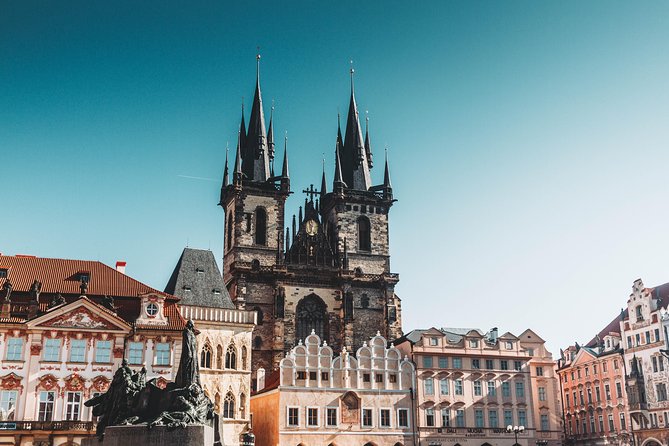
Another stop includes a Gothic tower once used as a city gate, representing the medieval history of Prague and its architectural heritage.
I always find it satisfying when a tour does not just point at famous landmarks, but also helps you read the smaller “in-between” structures. City gate remnants tell you how a medieval city managed movement, control, and defense. They also help you understand why certain streets and routes feel the way they do.
This is a good point in the walk to ask your guide to explain what would have mattered most in the medieval layout. Even a short answer can turn a tower into a map clue for the rest of your day.
The Astronomical Clock: medieval engineering you can still watch
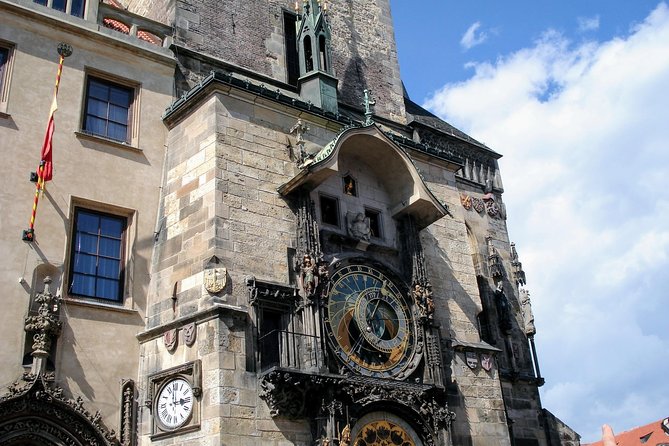
The itinerary includes a site featuring one of the oldest astronomical clocks still operating. It is described as a marvel of medieval engineering and a symbol of Prague’s historical scientific achievements.
This stop is more than a “look at the clock” moment. It connects everyday life to a serious scientific tradition. It also makes the medieval world feel less distant, because the machinery is still functional in some form and still draws attention.
If you like to plan your timing, this is a place where you will probably want a few extra minutes to absorb what your guide points out. Because the tour is only around two hours, the guide may guide you to what matters most rather than letting you get lost in details. That is usually a good thing if you are also trying to keep the day moving.
The historic Jewish ghetto: synagogues and an old cemetery
You also visit the historic Jewish ghetto area, described as rich in history and culture, with synagogues and an old cemetery. It reflects the long-standing Jewish presence and heritage in Prague.
This stop can add an essential dimension to your understanding of Prague. The city is often discussed through kings, wars, and grand architecture, but communities shaped by religion and daily life also left deep marks. In a private format, you can get more guided context about what you are seeing and why those sites matter.
A practical point: sites tied to religious communities sometimes work best with a quieter, respectful pace. If you feel like slowing down, take that cue. Your guide can help you keep moving without turning the experience into a rush.
Charles Bridge ending: saints, history, and the Vltava river line
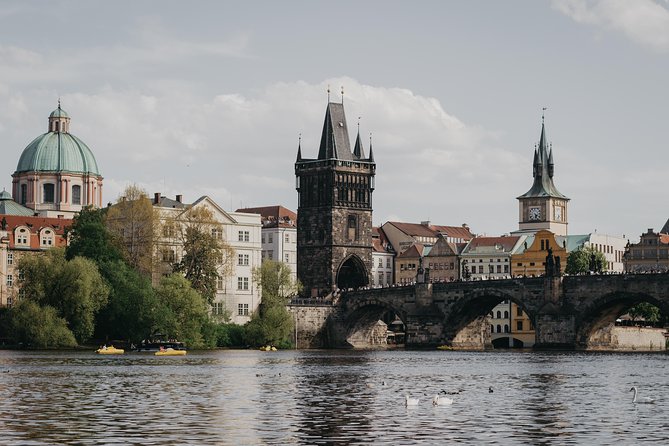
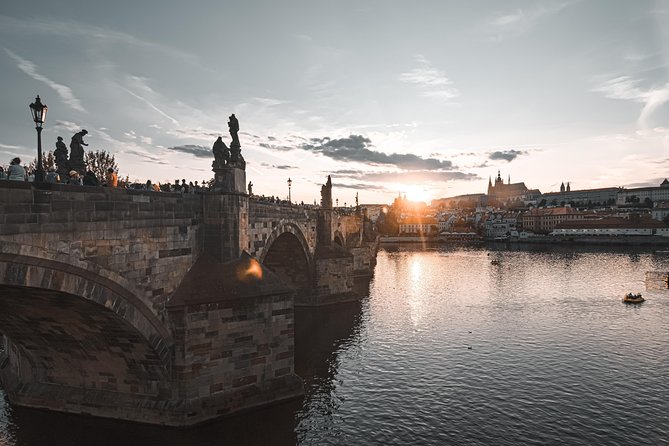
Finally, you end at Charles Bridge, described as a historic bridge crossing the Vltava river, lined with statues of Catholic saints. It is presented as a symbol of the city’s medieval and religious history.
I like ending here for a simple reason. Charles Bridge is one of those places where you can stand still and let the guide’s story become your own mental movie. The bridge has enough visual anchors that you can remember what you learned, then keep walking at your own speed after the tour ends.
If you want a photo plan, do it with flexibility. Crowds can rise and fall, and the guide can tell you which sections to focus on for the best views depending on the light and conditions. Even if you do not know the names of every statue, your guide’s framing will make the whole bridge feel more purposeful.
Price and value: is $162.90 per person worth it?
At $162.90 per person for a 2-hour private tour, this sits in the category of “pay for time with a local expert.” That can be a good deal if:
- You want a tailored route that adjusts to your interests rather than sticking to a fixed script
- You care about understanding links between events, like medieval power, later politics, and WWII resistance
- You value walking with someone who can explain what you are looking at on the spot
It may feel pricey if you are primarily after quick photo stops and do not need much interpretation. Also, entry costs are not included for transportation, museums, and monuments, so you still may pay separate fees depending on what you choose to enter.
One more value note: the listing mentions group discounts. If you are traveling with friends or family, private tours often make more sense because you are splitting the “guide time” cost across more people. And the tour is booked on average 19 days in advance, which suggests it is popular enough that you should not leave it to the last minute if your dates are fixed.
Who this tour fits best in Prague
This experience is best for people who want:
- A private, intimate tour format for your group only
- A history-focused route with major landmarks, including the Astronomical Clock area, Charles Bridge, WWII resistance themes, and communist-era remembrance
- A guide who can tailor the itinerary and walking pace to your group
You might also like this if you are a first-timer and want a guided map of what to revisit later. You get recommendations for further city discovery, which helps you avoid aimless wandering.
Where it may not fit: if you have limited mobility, it is not recommended. And if you cannot handle guided content with political and war-related themes, you may want to adjust expectations or ask your guide to set a lighter tone.
My booking advice: should you book this Prague private history tour?
If you want a short, high-impact experience that helps you understand Prague beyond the surface, I think it is a strong choice. The route is built around landmarks that represent major shifts in Czech life, and the private format means you are not stuck watching the back of someone else’s itinerary.
I would book it if:
- You can do a walking tour comfortably
- You want a local expert to connect the dots for you
- You like the idea of ending at Charles Bridge, ready to explore the riverfront on your own
I would skip or look for an easier alternative if:
- Walking is a challenge for your group
- You mostly want low-effort scenic time with minimal historical context
If you do book, bring good shoes and set aside mental room for both medieval and 20th century themes. Prague rewards that kind of attention.
FAQ
How long is the private Prague historic tour?
The tour lasts about 2 hours.
Where does the tour start and where does it end?
It starts at Hradčanské nám. 182/5, 118 00 Praha 1-Hradčany, Czechia and ends at Charles Bridge (Karlův most), Karlův most, 110 00 Praha 1, Czechia.
Is this an exclusive private tour or a group tour?
It is an exclusive private tour, and only your group will participate.
What is included in the price?
The tour includes a Local Expert guide, an exclusive private tour, and a tailored itinerary.
Are museum or monument entry tickets included?
No. Entry tickets for transportation, museums, and monuments are excluded.
Can I get a full refund if I cancel?
Yes. You can cancel for a full refund up to 24 hours before the experience’s start time.
Newly posted under the arches of Prague



Historical Tours, compared.
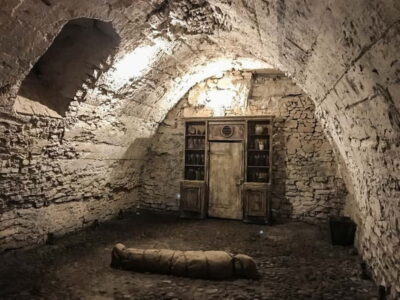
Oldtown, Medieval Underground & Dungeon History Tour
Read our review →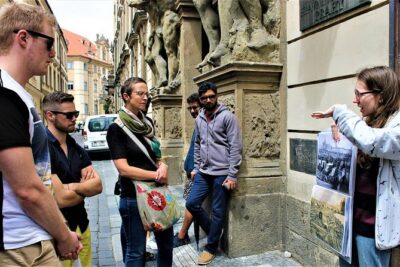
Prague Old Town, Medieval Underground and Dungeon Historical Tour
Read our review →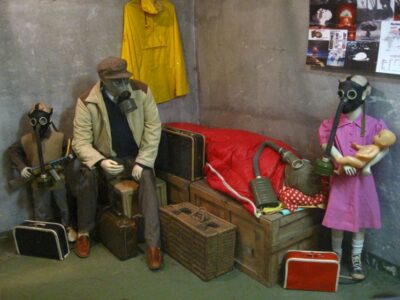
Communism History and Nuclear Bunker Guided Tour
Read our review →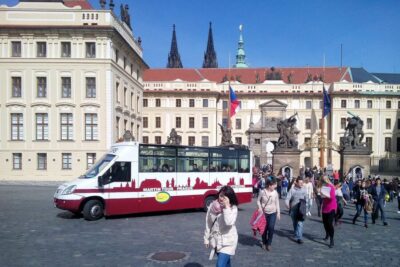
Historic City Center Bus Tour with Top Sights
Read our review →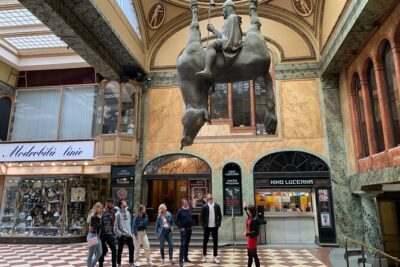
Prague Historic Pub Tour with Drinks Included
Read our review →
Prague Communism History and Nuclear Bunker Tour
Read our review →
Hop-on Hop-Off Historical Tram Ticket for Line 42
Read our review →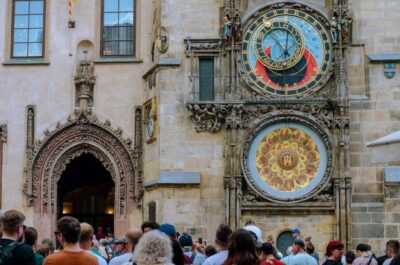
Top Sights and Historic Center Introduction Tour
Read our review →Browse the lists this tour appears in