
Reviewed · CONCERTS
Prague: Classical Music Concert at Rudolfinum
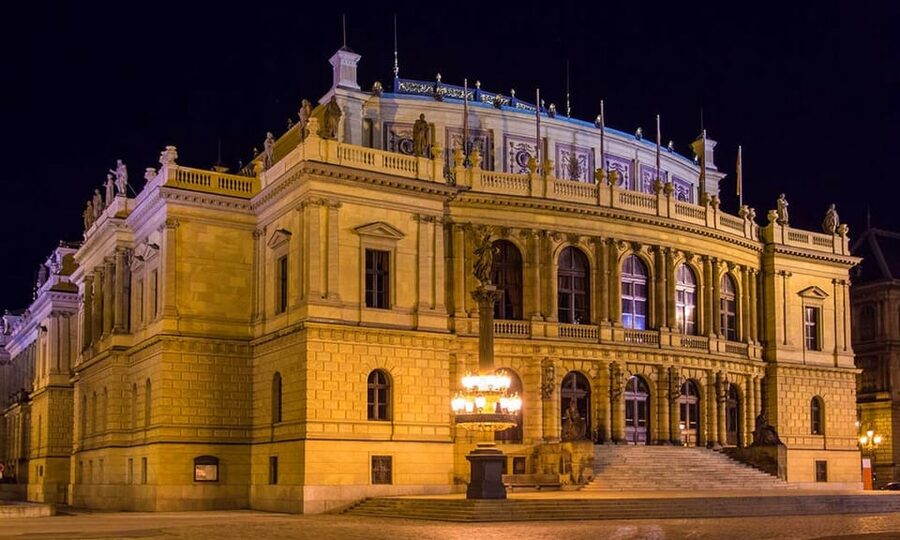
Music in Prague, in a real concert hall. That is the payoff of this Rudolfinum classical concert ticket, with a focused 65-minute program of famous works in the intimate Suk Hall. I love how the setting feels close and personal, and I also love the lineup, especially mezzo-soprano Stanislava Jirku and the violin moments delivered by the concertmaster. One consideration: soloists can change in September and October 2024, so double-check your specific date if you have a favorite voice.
You get more than a greatest-hits playlist. The concert blends big-name crowd-pleasers like Vivaldi’s Four Seasons and Beethoven’s Symphony No. 5 with a handful of shorter, vivid showpieces that keep the pace moving. The venue itself, Rudolfinum, is central Prague and built for listening, so you can actually hear details instead of just standing in a crowd.
In This Review
- Key highlights to know before you go
- Rudolfinum and Suk Hall: the room where the music clicks
- Getting there through the left-side entrance
- Stanislava Jirku and Vlastimil Kobrle: the featured voices
- Program walkthrough: Vivaldi, Händel, Mozart, Bizet, Ravel, Beethoven, Smetana
- Vivaldi, Four Seasons (Spring and Summer)
- Händel, Largo from Xerxes
- Pachelbel, Canon and Gigue in D
- Mozart, Salzburg Symphony K 136 (Allegro)
- Bizet, Carmen (Habanera)
- Ravel, Bolero
- Beethoven, Symphony No. 5 (Allegro)
- Smetana, Vltava
- Why this specific mix feels like smart programming
- Price and value: what $39 gets you in Prague
- Timing and choosing your date in September and October 2024
- Who should book this Prague classical music concert
- Should you book the Rudolfinum concert ticket?
- FAQ
- How long is the Prague concert at Rudolfinum?
- Where do I enter Rudolfinum for this concert?
- How much does the ticket cost?
- What music is included in the program?
- Are soloists the same for every September and October 2024 date?
- Is it possible to cancel and get a refund?
Key highlights to know before you go
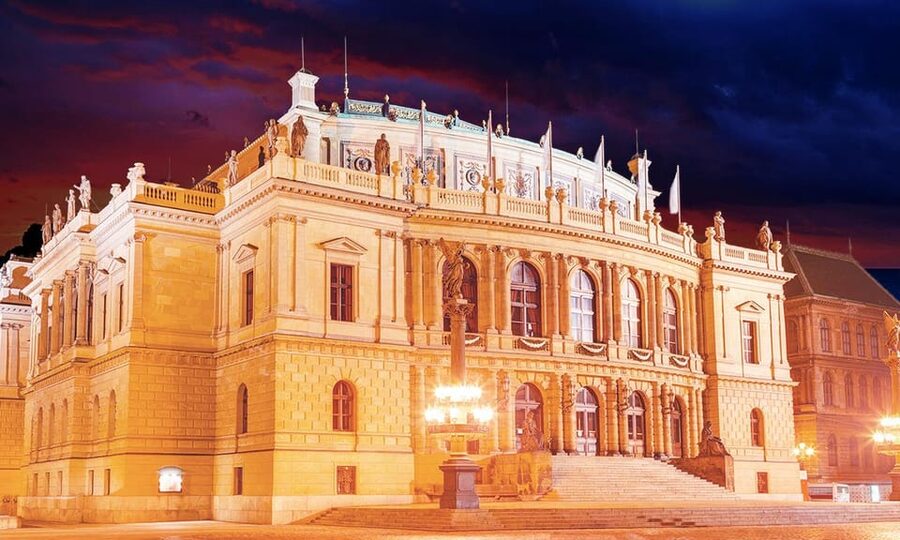
- Rudolfinum and Suk Hall: a famed Prague setting designed for serious listening
- Top Czech soloists: Stanislava Jirku on mezzo soprano, plus a featured violin solo
- A tight 65-minute set that hits many famous composers without dragging
- Iconic works on the program: Four Seasons, Bolero, Carmen (Habanera), Vltava
- Seasonal soloist changes in September and October 2024, worth checking for your date
Rudolfinum and Suk Hall: the room where the music clicks
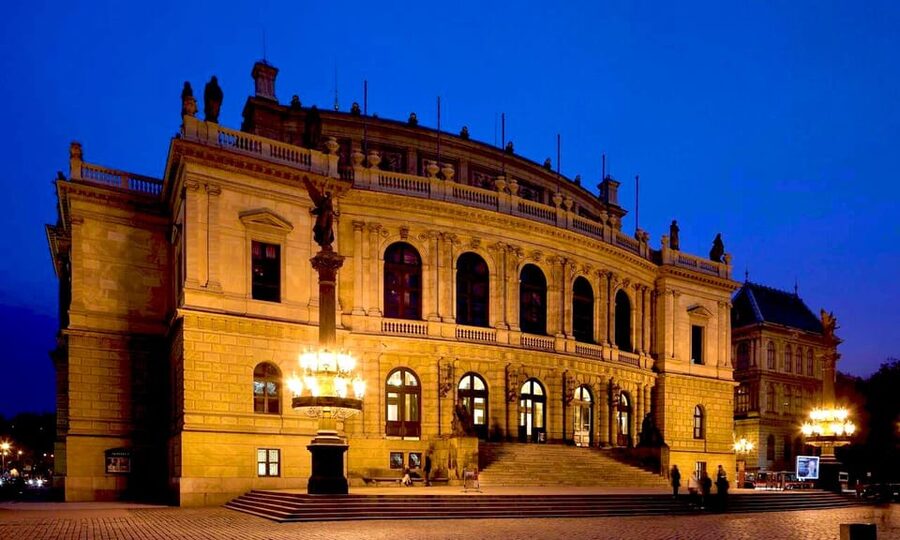
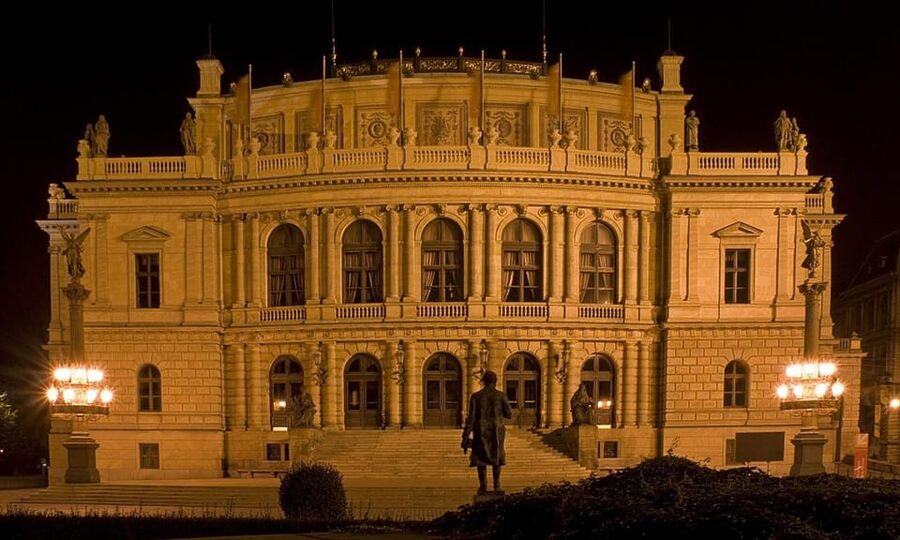
Rudolfinum is one of those Prague buildings you recognize fast, even if you have only passed by it before. Inside, the concert happens in the Suk Hall, named after Czech composer Josef Suk. That matters, because Suk Hall is not a giant room where sound gets swallowed, it is built to support a clear, direct listening experience.
The practical benefit is simple: you can follow the musical conversation. Fast runs in Vivaldi feel crisp, and slower passages have time to breathe. If you care about how a hall affects what you hear, this is the kind of venue that makes your ticket feel like more than just paying for a program.
Getting there through the left-side entrance
For this concert, use the entrance on the left side of the building. That is your easiest move to avoid confusion when you arrive, especially if you are combining this with other Prague plans.
Plan to arrive with enough time to get settled, because once the music begins, you will want to focus, not hunt for your place. The good news: the concert runs about 65 minutes, so you are not committing to a half-day event. It is also wheelchair accessible, so it is set up for more than just stairs and quick sidesteps.
More programmes in gilded halls:
- Prague: Entry Ticket Classical Concert at the Mirror Chapel
★ 4.7 · 4,636 reviews - Prague: Concert at Reduta Jazz Club
★ 4.5 · 2,170 reviews - Prague: A. Vivaldi Four Seasons at St. Salvator Church
★ 4.4 · 1,951 reviews
Stanislava Jirku and Vlastimil Kobrle: the featured voices
This ticket’s star power is built into the casting. Mezzo-soprano Stanislava Jirku is one of the Czech Republic’s most acclaimed mezzo-sopranos, and she has performed with major orchestras including the BBC Symphony Orchestra, The Czech Philharmonic, and the Prague Philharmonic Orchestra.
Her role shapes the mood in a program that mixes grand orchestral moments with vocal color. When mezzo-soprano lines enter, Bizet’s Carmen (especially the Habanera) will turn from famous to personal, because that vocal style demands nuance, not just volume.
On the violin side, you have Vlastimil Kobrle, described as one of the Czech Republic’s acclaimed violinists and the concertmaster of the Symphony Orchestra of Czech Radio. Even if you do not consider yourself a violin person, a concertmaster solo tends to land differently than background playing. You get a spotlight moment where phrasing and articulation matter.
One more date-based detail you should not ignore: soloists change for September and October 2024. The violin part becomes Petr Zdvihal for Sep 19, Sep 20, and October (and on Sep 22 the mezzo soprano is Veronika Hajnová). If you are choosing this concert because of a specific soloist, check your exact performance date before you lock it in.
Program walkthrough: Vivaldi, Händel, Mozart, Bizet, Ravel, Beethoven, Smetana
This is a single concert, but it is programmed like a guided tour through musical moods. You start with familiar seasonal energy, then move through lyrical and dance rhythms, and finish with big orchestral gestures.
Here is the order you will hear, with what to listen for:
Also chalked up in Prague



Vivaldi, Four Seasons (Spring and Summer)
This is the part many people come for, and it earns its reputation. Expect the music to feel picture-like, with bright string writing and a sense of forward motion. If you like hearing how composers build emotion through rhythm and phrasing, Vivaldi is your warm-up and your payoff.
Händel, Largo from Xerxes
Then the concert slows. Händel’s Largo is where a concert performance becomes about restraint and tone. If the hall is working for you, you will notice how the orchestra supports the line without drowning it.
Pachelbel, Canon and Gigue in D
Pachelbel’s Canon is the familiar structure part of the program, but the gigue brings lift. This section is a good moment to listen for how the ensemble blends, because canon writing highlights whether players match timing and weight.
Mozart, Salzburg Symphony K 136 (Allegro)
Mozart adds clarity and momentum. The Allegro can feel spring-loaded, so focus on the give and take between different sections. This is often where listeners start realizing the concert is not just a checklist of titles.
Bizet, Carmen (Habanera)
This is the piece that turns the vocal color up. The Habanera is all about style, including the subtle push-pull of phrasing. If you enjoy opera-adjacent moments in concert halls, this is your highlight in the first half.
Ravel, Bolero
Then comes the slow-burn phenomenon. Bolero is one of those works where it is easy to think, I know this music, but hearing it in a real performance room is different. Watch how repetition changes from section to section and how the orchestral buildup makes the ending feel inevitable.
Beethoven, Symphony No. 5 (Allegro)
Beethoven’s Fifth is famous for a reason: the rhythm grabs attention fast. In a live concert, the energy feels physical, like the music is driving your breathing. Even if you have heard it before, it lands best when you stop treating it like a recording and start following how the orchestra shapes drama.
Smetana, Vltava
You finish with Vltava. It is a fitting ending because it often makes listeners feel like something scenic is happening, even without narration. It is also a distinctly Czech closer, so it leaves you with a local flavor instead of ending on a generic “finale” feeling.
Why this specific mix feels like smart programming
The composers here cover a lot of emotional ground without wasting time. Vivaldi and Mozart keep things lively, Händel and Pachelbel add lyrical balance, and Bizet and Ravel bring theatrical texture.
Then Beethoven gives you the big structural push, and Smetana provides the national, poetic finish. If you want a classical concert that feels both approachable and satisfying, this program is built for that. You do not need a music degree to enjoy it, but you will still catch moments where the phrasing and dynamics feel like the performers are actively communicating.
Price and value: what $39 gets you in Prague
At about $39 per person, this concert is priced like a “high satisfaction” activity. You are not paying extra for extras like a long pre-show tour, because the value is the core experience: a concentrated set of major works in a major Prague venue.
Here is the value angle I like best: the duration is 65 minutes, which means you are spending an evening on music, not on logistics. For visitors trying to balance sightseeing with something calmer, this is a solid trade. It also includes a printed concert program, which is handy when you want composer names and piece order without guessing.
Is it a luxury ticket? Not in the inflated, tourist-markup sense. It feels like you are buying into a real concert culture moment, not a themed show that only borrows classical titles.
Also, the rating is strong, with an average of 4.7 from 24 ratings, which suggests consistency in the core promise: good performances of well-known works in a well-regarded venue.
Timing and choosing your date in September and October 2024
Because soloists change for certain dates, your main decision point is which performance you pick. If you are aiming for a specific vocalist, here is what you should know from the schedule:
- Sep 19: Petr Zdvihal (violin), Stanislava Jirku (mezzo soprano)
- Sep 20: Petr Zdvihal (violin), Stanislava Jirku (mezzo soprano)
- Sep 22: Petr Zdvihal (violin), Veronika Hajnová (mezzo soprano)
- October: Petr Zdvihal (violin)
If you are coming in September or October, it is worth checking your date before you assume the lineup you remember. This kind of switch is common in classical programming, and here it is specifically called out, so you can plan with confidence.
Who should book this Prague classical music concert
I think this is a great fit if you:
- Want a single, high-impact classical experience without committing to a longer evening
- Like recognizable works such as Four Seasons, Bolero, and Beethoven’s Fifth
- Enjoy performances where a featured vocalist and a featured violin moment are part of the draw
- Prefer Prague’s central, famous venues rather than a smaller, unknown space
It may be less ideal if you are looking for a full evening of music with lots of extra context. This is performance-focused, and that is intentional.
One more practical note: unaccompanied minors are not allowed, so plan accordingly if you are traveling with kids.
Should you book the Rudolfinum concert ticket?
If you want a classic Prague night that still feels authentic, I would book it. The combination of Rudolfinum’s setting, the Suk Hall listening experience, and a program packed with widely loved composers makes it a low-stress choice. The featured soloists, especially Stanislava Jirku and the violin solo spotlight, give the concert a little extra spark beyond a generic sampler.
My only caution is the one detail that can change your enjoyment: soloists can differ across September and October 2024. If you have a specific performer in mind, confirm the date first, then go.
FAQ
How long is the Prague concert at Rudolfinum?
The concert lasts about 65 minutes. Exact start times vary, so check availability for the specific date you choose.
Where do I enter Rudolfinum for this concert?
Use the entrance on the left side of the building.
How much does the ticket cost?
The price is listed at about $39 per person.
What music is included in the program?
The program includes Vivaldi’s Four Seasons (Spring and Summer), Handel’s Largo from Xerxes, Pachelbel’s Canon and Gigue, Mozart’s Salzburg Symphony K 136 (Allegro), Bizet’s Carmen (Habanera), Ravel’s Bolero, Beethoven’s Symphony No. 5 (Allegro), and Smetana’s Vltava.
Are soloists the same for every September and October 2024 date?
No. For September/October 2024, the violin soloist changes to Petr Zdvihal on Sep 19, Sep 20, Sep 22, and October. The mezzo soprano is Stanislava Jirku on Sep 19 and Sep 20, and Veronika Hajnová on Sep 22.
Is it possible to cancel and get a refund?
Yes. Free cancellation is available up to 24 hours in advance for a full refund.
Newly posted under the arches of Prague


Concerts, compared.
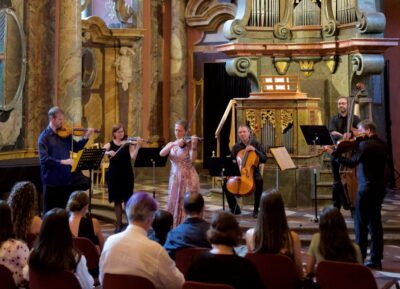
Entry Ticket Classical Concert at the Mirror Chapel
Read our review →
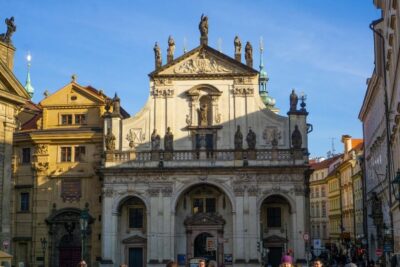
A. Vivaldi Four Seasons at St. Salvator Church
Read our review →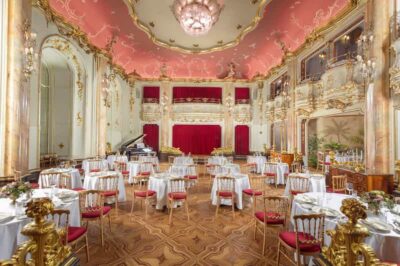
Mozart Ballroom Concert Ticket with 3-Course Dinner
Read our review →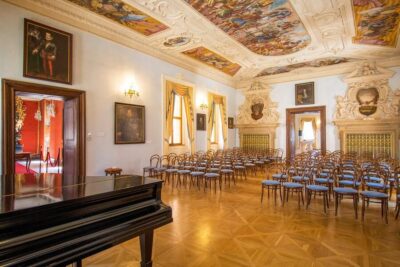
Prague Castle: Midday Classical Concert at Lobkowicz Palace
Read our review →
Browse the lists this tour appears in