Reviewed · TICKETS
Prague: House at the Golden Ring Entry Ticket
Prague has a whole city inside. The House at the Golden Ring ticket gives you a Multimedia View of Prague in the era of Rudolf II, plus hands-on scenes that show medieval Prague under King Charles IV. It is the kind of museum that mixes physical exhibits with video, 3D, and projection so you can actually picture how the city worked.
I particularly like how the museum uses scale and motion to make big ideas feel human: you see urban development through models of major landmarks, then you watch it all shift through mapped visuals and animations. One possible drawback is that the dialogue and media are in English, so if you were hoping for French support, you may feel boxed in.
Plan on about 1.5 to 2 hours if you want to actually watch the presentations and read what’s there. This is also a smart stop when you want something different from the usual Prague sights, because it stays focused on how the city looked and lived during key reigns.
In This Review
- Key things I’d circle before you go
- House at the Golden Ring: the rare $8 museum value
- Medieval Town exhibition: Charles IV’s Prague, minus the guesswork
- From stone bridge to Charles Square: how the city shifted
- Rudolf II’s Prague: the 9-meter animation and Sadeler Prospect
- A costume exhibition you can actually interact with
- Originals, artifacts, and the media balance that matters
- Time, language, and how to make it feel worth your day
- Who should book this Prague Golden Ring ticket?
- Should you book it, or pass?
- FAQ
- What does the Prague House at the Golden Ring ticket include?
- How long is the experience?
- How much does it cost?
- Is the tour available in English?
- What are the main things you will see?
- Are there any archaeological finds or original objects?
- Can I cancel for a refund?
Key things I’d circle before you go
- Rudolf II animation and projection mapping give you a people-in-motion view of Prague’s streets and life
- Charles IV models show the city as a developing metropolis, not just as famous buildings
- Medieval Town exhibition connects religion and state life through landmarks used for both
- Interactive digital costume exhibition adds a playful way to understand everyday and ceremonial life
- Archaeological finds and original objects bring the story down to real details
House at the Golden Ring: the rare $8 museum value
For $8 per person, you are buying a full day’s worth of ticket time (it is valid for 1 day), but the real value is concentration. This is not a museum where you wander room to room hoping something clicks. The exhibits are built around Prague at specific turning points, and they use modern tech to make those shifts visible.
You also get the best of both worlds. There are real artifacts and original objects, and there are digital experiences like video mapping and interactive displays. That blend matters because Prague’s medieval story can feel abstract when it’s told only with text. Here, the museum keeps translating “what happened” into “what it looked like.”
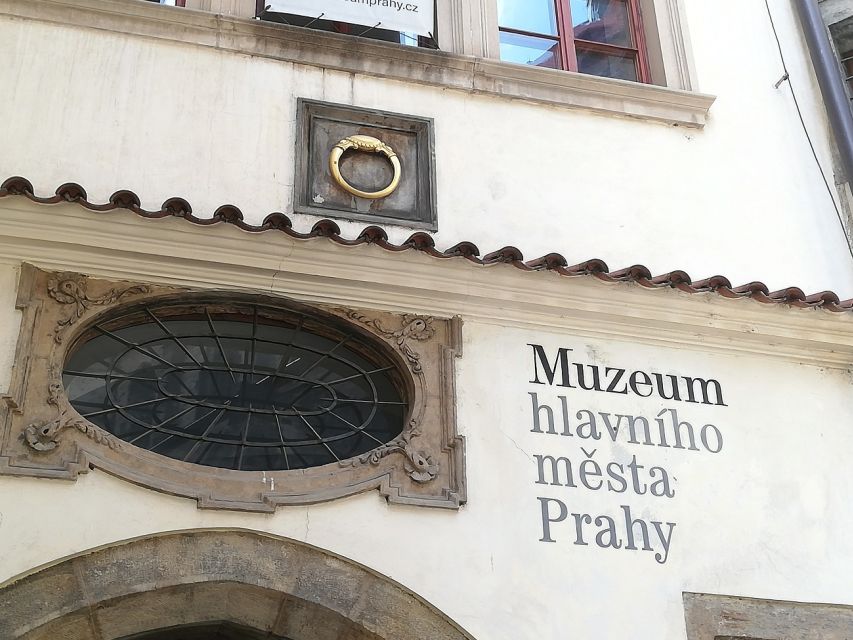
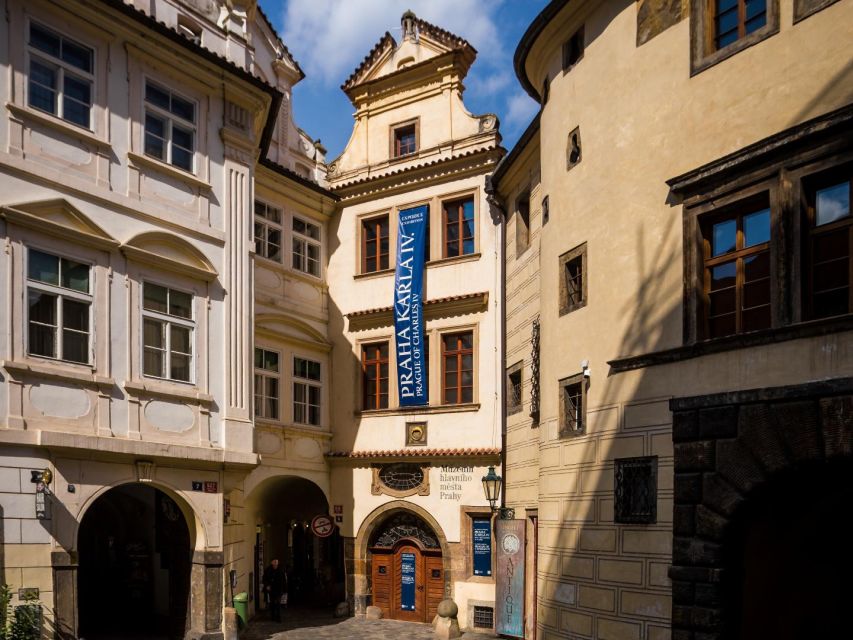
The setting is also a plus. The House at the Golden Ring is part of what makes the ticket feel less like a generic exhibition. You are in a historic frame while you learn about historic Prague.
Medieval Town exhibition: Charles IV’s Prague, minus the guesswork
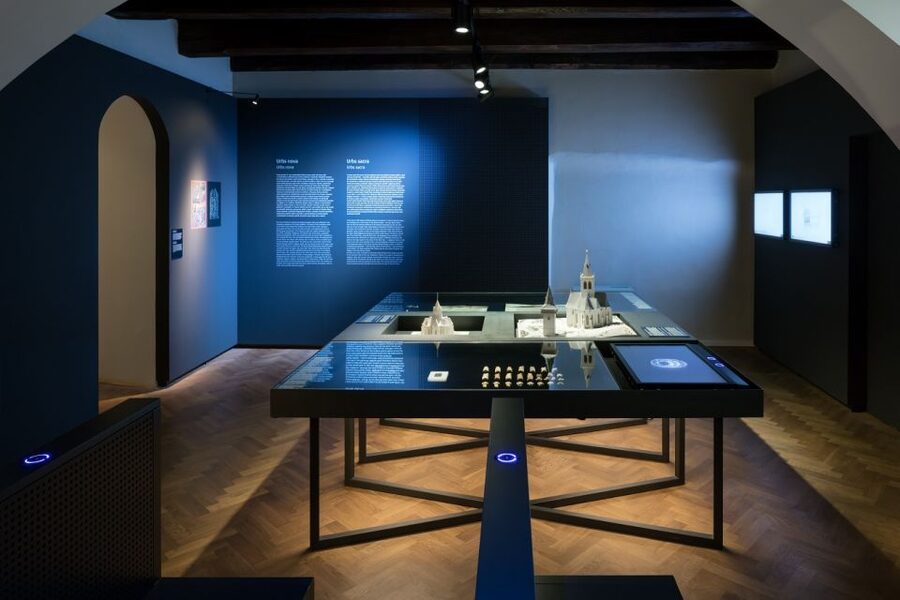
The centerpiece experience is the Medieval Town exhibition, which focuses on how Prague grew and how power shaped the city. You start by looking at virtual and tangible models of buildings tied to the reign of Charles IV and the House of Luxembourg. Instead of treating Prague Castle or St Vitus Cathedral like frozen icons, the museum connects them to religious and state purposes in Charles’s time.
Here’s what that means for you when you walk in. You are not just seeing “big landmarks.” You are seeing a medieval urban system. The exhibits cover housing development across the urban agglomeration, the role of major infrastructure like the stone bridge, and the way the metropolis’s look changed under Charles IV and other rulers of the Luxembourg family.
The museum also gives you a sequence to follow. There are dramatic stops designed to evoke key moments: Charles’s birth, his arrival to Prague in 1333, his coronation, and his burial. That timeline is useful because it stops the information from feeling like a random list of dates.
You will also encounter models of major sites used for religious and state life in the 14th century, including Vyšehrad, Prague Castle, and St Vitus Cathedral. Even if you have walked past those places in real life already, this kind of model view helps you understand how they fit together in the broader city.
Also chalked up in Prague
- Prague: 50-Minute Sightseeing Evening Cruise
★ 4.2 · 33,780 reviews - Prague: Medieval Dinner with Unlimited Drinks
★ 4.4 · 19,847 reviews - Prague: Skip-the-line Castle Ticket and Optional AudioGuide
★ 4.3 · 11,121 reviews
From stone bridge to Charles Square: how the city shifted
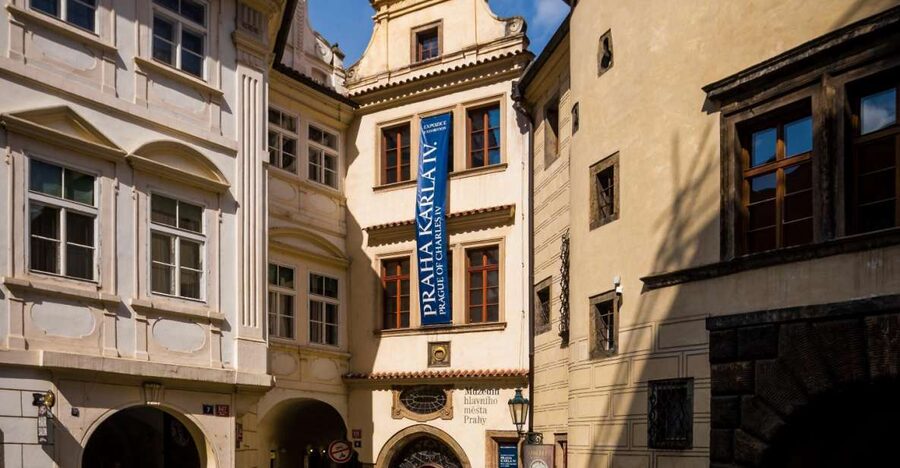
One of the strongest parts of the experience is the way the exhibits track movement and construction, not just architecture. You watch virtual presentations that show the system of town administration. You also get a look at medieval bridge construction, which is a detail most Prague museums skip because it is hard to translate on a label.
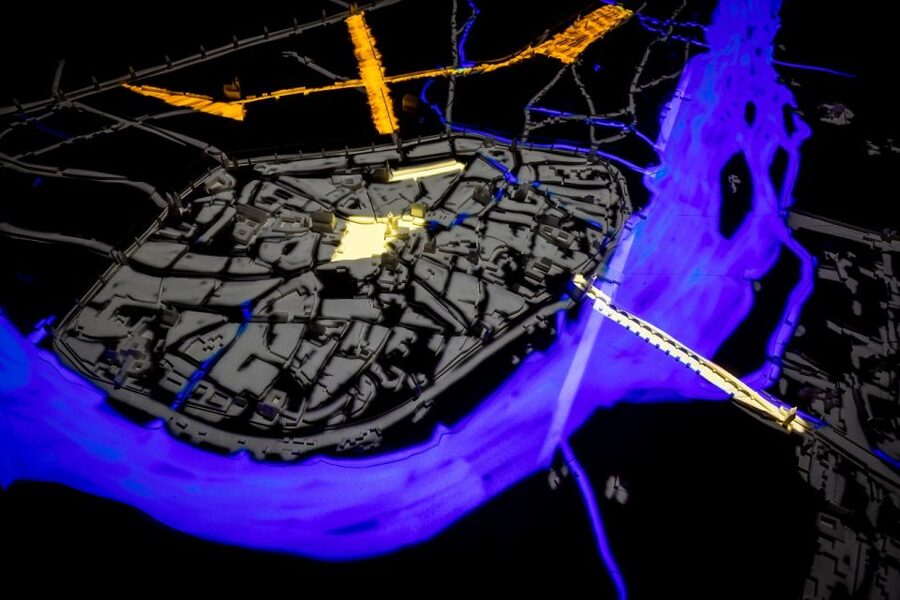
Then the museum turns to what feels like the city’s center of gravity in the 14th century: it shows video mapping of the Prague conurbation model, plus presentations around Charles Square and its vicinity. In practice, this is how you start seeing urban development as a process. Buildings do not just appear, they expand, authorities reorganize, and the city’s daily rhythm shifts.
This is also where the museum adds real-world texture. You’ll encounter unique archaeological findings and other original objects drawn from institutions like the Prague City Museum and the National Heritage Institute’s regional office in Prague, along with additional collections. That matters because it keeps the exhibits from becoming purely “cool screens.” The city in the Middle Ages included everyday objects, and this is one of the ways the museum hints at the lives behind the stones.
Rudolf II’s Prague: the 9-meter animation and Sadeler Prospect
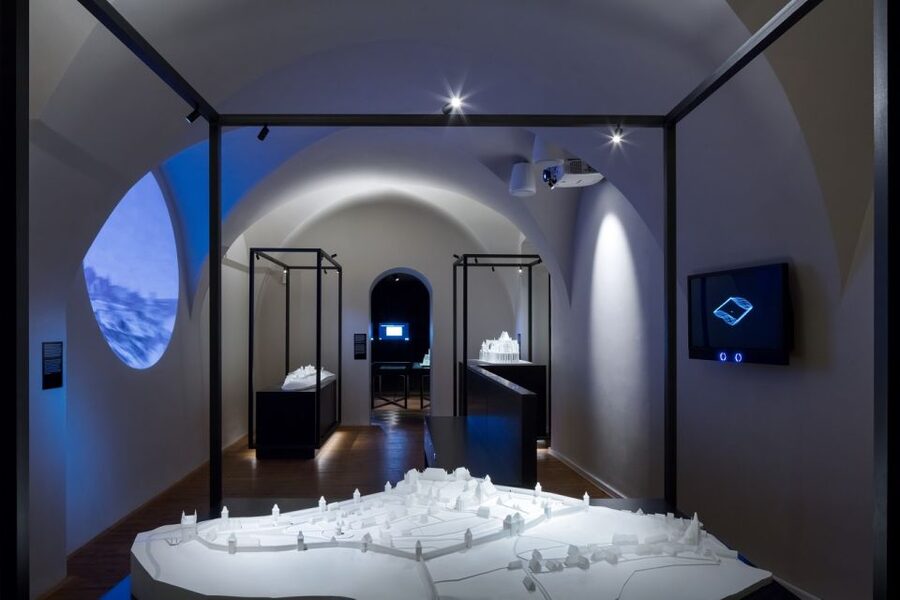
If Charles IV gives you the framework, Rudolf II gives you the atmosphere. The Multimedia View of Prague During the Rule of Rudolf II is built around movement, sound and image, and a sense of density.
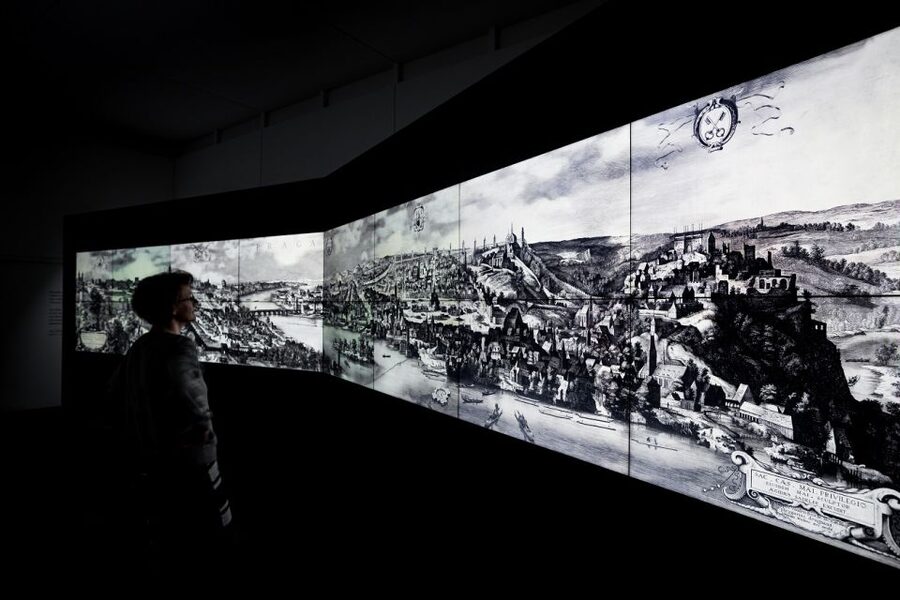
The museum includes a nine-metre animation showing life in Prague during Rudolfine times. That scale is a big deal. Small animations can feel like a gimmick, but when the view is that large, your brain reads it as a real “place.” You come away thinking about streets, crowding, and daily emotion, not just the reign name.
The museum also features something called the Sadeler Prospect, created through the collaboration of historians and modern technology specialists. It is presented as an image of Prague swarming with people, with joys and worries you can feel in the scene rather than just read about. For a lot of visitors, this is the moment the museum stops being educational and starts being memorable.
There are also virtual presentations tied to city layout and changes. Video mapping helps show how the conurbation came together visually, and the presentations around landmarks reinforce that the city was more than a stage set. It was a living system where administration, religion, and everyday life overlapped.
A courtyard deeper into Prague:




A costume exhibition you can actually interact with
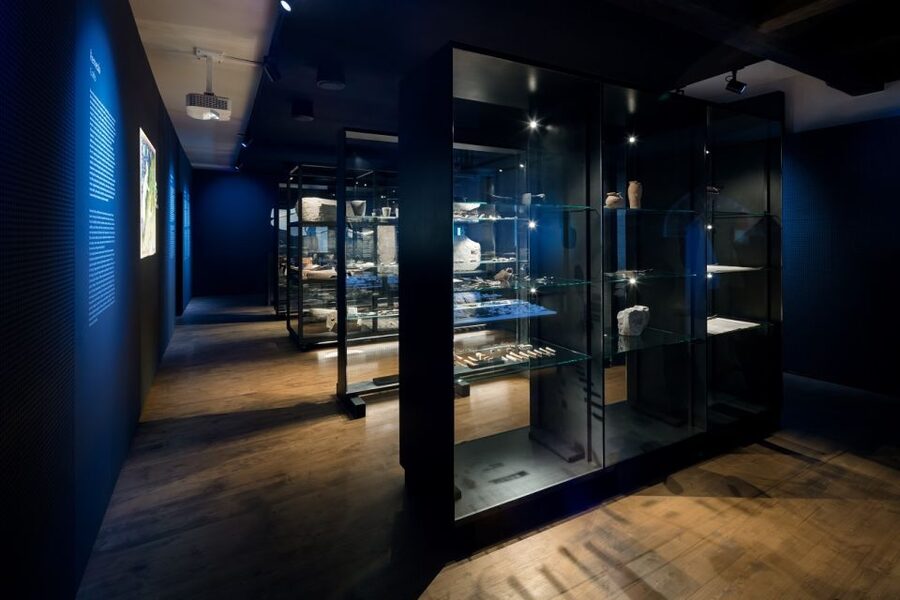
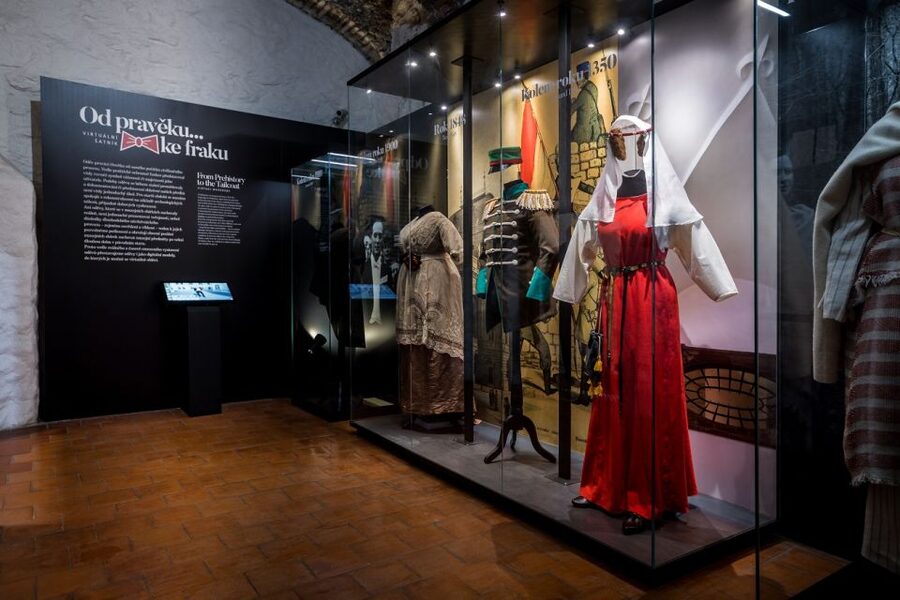
The third named part of the ticket is From Prehistory to the Tailcoat, which includes an interactive digital costume exhibition. This is the section that helps you switch gears from “medieval politics and buildings” to “people and daily life.”
Costumes are a smart teaching tool, because clothing tells you what matters to a society: roles, ceremony, and identity. Even without a deep background in Prague’s timeline, you can likely connect the dots faster with visuals you can touch, choose, or activate than you can from plain text.
This exhibition also fits well if you’re traveling with mixed interests. History fans get visuals and objects connected to different eras. People who normally skip museums often pay attention when they can interact and see how images and figures relate to real styles.
That said, there is a catch. The museum’s media dialogue is in English. One visit experience notes that there was nothing in French and that the dialogue was in English. If you need a specific language for comfort, check your expectations before you go.
Originals, artifacts, and the media balance that matters
A lot of museums say they mix old and new. This one actually tries to keep both sides in play. You’ll see original objects and archaeological findings alongside digital projections, models, and video.
That balance helps you avoid a common problem: tech-only exhibits that feel shallow. Here, the presence of real objects from major Prague cultural institutions gives the digital content credibility. It also changes how you read the screens. Instead of treating the animation like entertainment, you treat it like evidence.
For your planning, it also means you can choose your pace:
- If you love media, you can spend extra time at the animation and mapping sections.
- If you prefer tangible things, you can spend more time with the artifacts and original objects and still cover the key story.
The downside to that same balance is that if you are not in the mood for presentations, the pacing might feel slow. One more skeptical experience described the museum as somewhat boring, which is a fair warning. This is not a “just read the plaques” stop.
Time, language, and how to make it feel worth your day
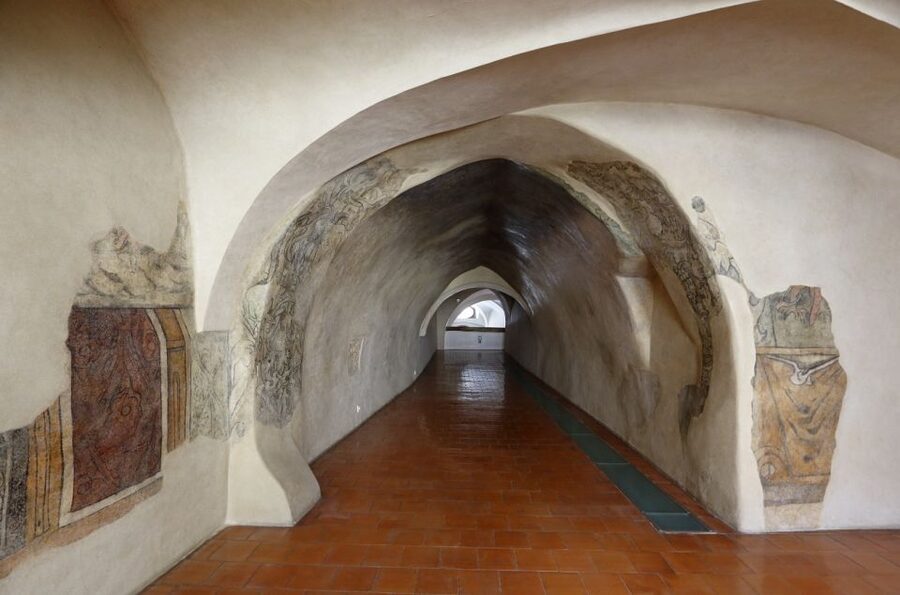
This ticket is designed for a 1-day visit, and the museum has an English instructor listed. The exhibitions themselves are in English, including dialogue in the media. That affects how long you might stay, because you will naturally pause more to catch details when you are following spoken content.
Based on typical visit pacing, I’d plan on about 1.5 to 2 hours. One experience notes about 1 hour 30 minutes for the full visit, while another notes around 2 hours spent taking everything in.
If you want to get the most value, do this simple order:
- Start with the Medieval Town content so you understand the Charles IV framing.
- Then move to Rudolf II, because the shift in tone is part of the point.
- Finish with the costume exhibition, which is lighter and helps your brain reset.
Also, expect interactive stations and screens to take time. The museum is best when you let yourself watch rather than treating each display like a quick photo spot.
Who should book this Prague Golden Ring ticket?
Book it if you want Prague history that shows movement and scale, not just names and dates. This ticket is especially good for:
- Families, since it mixes visuals, models, and an interactive costume element
- Anyone who likes exhibits that blend artifacts with multimedia
- People who want context for Charles IV and Rudolf II beyond standard walking-tour stops
- Visitors who like hands-on learning where you can “see” how a city changes
Skip it or reconsider if you:
- Only enjoy museums with lots of text and minimal screens
- Need media dialogue in something other than English
- Are short on time and looking for the single fastest “see and leave” attraction
Should you book it, or pass?
For most first-timers and most history curious travelers, I think this is a strong yes. The pricing is hard to beat at $8, and you get multiple exhibit experiences in one go, including the Medieval Town focus on Charles IV and the Multimedia View on Rudolf II with a big animation. The presence of original objects and archaeological findings keeps it grounded, so it does not feel like a gimmick.
The decision comes down to your tolerance for multimedia and your comfort with English. If that’s fine, you’ll likely leave with a clearer picture of Prague as a changing metropolis, not just a pile of postcard landmarks.
FAQ
What does the Prague House at the Golden Ring ticket include?
It includes the Medieval Town exhibition, the Multimedia View of Prague During the Rule of Rudolf II exhibition, and the From Prehistory to the Tailcoat exhibition.
How long is the experience?
The ticket is valid for 1 day, and the visit time is typically around 1.5 to 2 hours if you watch the multimedia and explore the exhibits.
How much does it cost?
The price is listed as $8 per person.
Is the tour available in English?
Yes. The listed instructor language is English, and the exhibitions’ media are in English.
What are the main things you will see?
You can expect virtual and tangible models related to Charles IV, presentations about medieval town life and administration, video mapping around Charles Square, the Rudolf II nine-metre animation, and an interactive digital costume exhibition.
Are there any archaeological finds or original objects?
Yes. The exhibits include unique archaeological findings and other original objects from institutions such as the Prague City Museum and the National Heritage Institute’s regional office in Prague.
Can I cancel for a refund?
Yes. Free cancellation is offered if you cancel up to 24 hours in advance for a full refund.
Newly posted under the arches of Prague

Tickets, compared.
Skip-the-line Castle Ticket and Optional AudioGuide
Read our review →
Castle Tour with Local Guide and Entry Ticket
Read our review →
Prague Castle 2.5-Hour Tour Including Admission Ticket
Read our review →

Entry ticket to Ice Pub Prague with Nightclub Option
Read our review →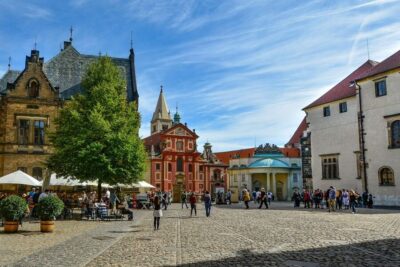
Prague Castle and Lobkowicz Palace Entry Tickets
Read our review →
Entry Ticket Classical Concert at the Mirror Chapel
Read our review →