
Reviewed · WALKING TOURS
Prague Introduction Walking Tour
Prague makes sense faster with a great guide. This 3-hour Prague introduction walk strings together Old Town lanes, the Jewish Quarter, and the big 20th-century turning points, so the city reads like one long timeline instead of random sights. You start outside Cafe Cukrárna Myšák and finish by the Vltava River, with your guide tying the story to Prague’s political future.
I love the small group size of 10, because the pace stays friendly and you can actually ask questions. I also really liked how the tour is led by academic types and authors, and one guest singled out Matouš for being enthusiastic and entertaining. The one possible drawback is that 3 hours moves quickly, so if you’re the linger-at-every-corner type, you’ll want to plan extra time after the walk.
In This Review
- Key takeaways before you go
- Meeting at Cafe Cukrárna Myšák, then getting your bearings fast
- Old Town Square to Wenceslas Square: Prague’s timeline in motion
- Lucerna, Franciscan Gardens, Kafka, and Narodni trida: the walk keeps changing tempo
- Clementinum, Charles University, and Karolinum: where culture meets civic life
- Jewish Quarter storytelling: Old-New Synagogue, cemetery, and ghetto-era context
- Municipal House and Prague’s standout landmarks: Art Nouveau plus key symbols
- Finishing by the Vltava River: Czech democracy after the Soviet era
- Price and value: what $123 buys in a 3-hour intro
- Should you book this Prague introduction walking tour?
- FAQ
- How long is the Prague Introduction Walking Tour?
- Where do I meet the guide?
- Where does the tour end?
- Is the tour offered in English?
- What group size should I expect?
- What is included in the price?
- What are the main highlights of the tour?
- Is the Jewish Quarter part of the tour focused on specific stories?
- Can I cancel for a full refund?
- Can I reserve and pay later?
Key takeaways before you go
- Small group, big story: up to 10 people, paced for questions without feeling rushed.
- Old Town to Wenceslas Square: you connect medieval trade, multicultural complexity, and the 20th-century ordeals.
- Municipal House is the art moment: you stop at one of Prague’s greatest Art Nouveau masterpieces.
- Jewish Quarter with specific stops: Old-New Synagogue, the ancient Jewish cemetery, and the Rococo Town Hall.
- Ends with modern politics: the Vltava River finish includes the Czech political system’s post-Soviet revival.
- Guides with serious credentials: professors, doctoral students, historians, journalists, and art critics.
Meeting at Cafe Cukrárna Myšák, then getting your bearings fast
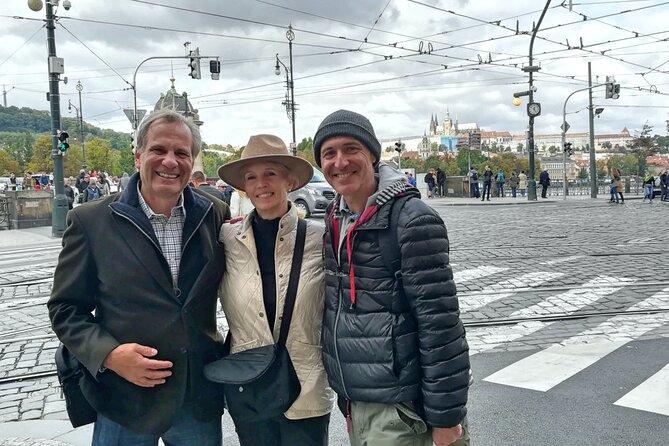
You meet your guide outside Cafe Cukrárna Myšák at Vodičkova 710/31, and that’s a smart start. The tour is built as an orientation walk, not a random sight-seeing shuffle, so the first minutes matter. Once you’re moving, the guide sets the tone: Prague is going to be explained through the monuments that reflect how Europe shaped this city, and how Prague shaped Europe back.
One reason I like this format is that it is short and focused. A 3-hour walk gives you enough time to hit the main “story chapters” without exhausting you for the whole day. And because you’re capped at 10 participants, it feels less like a bus tour and more like a guided route you can follow on your own later.
Old Town Square to Wenceslas Square: Prague’s timeline in motion
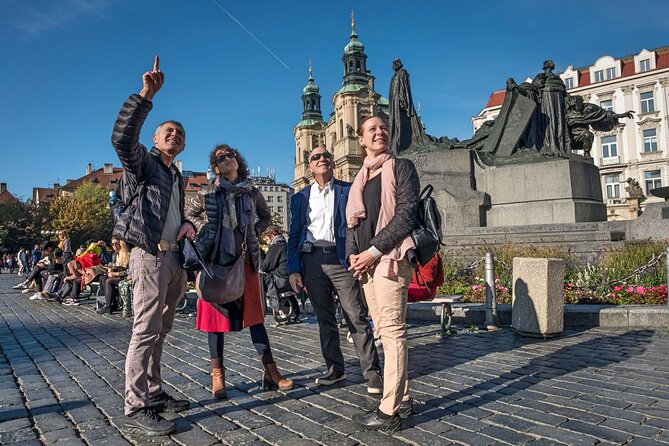
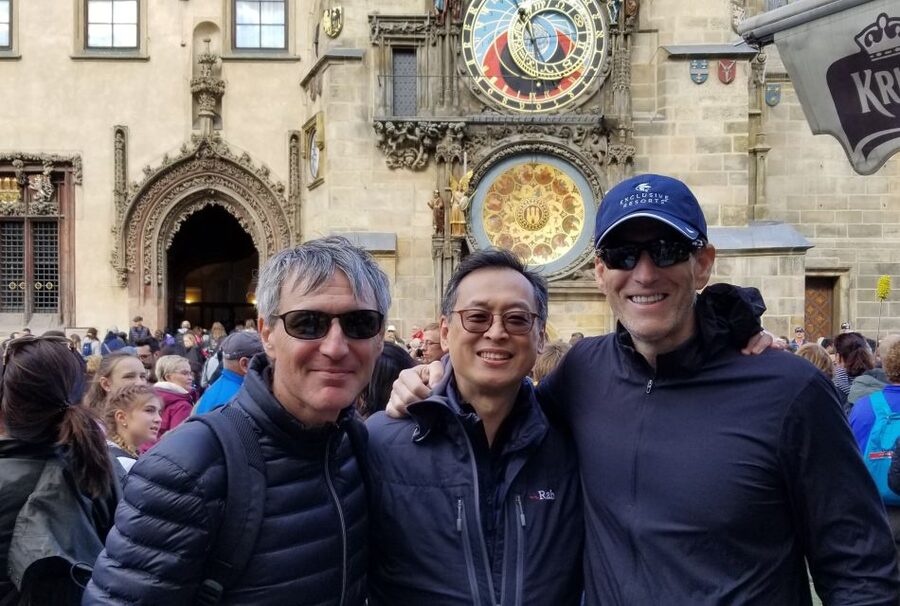
The tour begins at Old Town Square area themes, where Prague’s role as a center for medieval trade comes into view. Your guide frames the square as the kind of place that made commerce and culture collide, and then you head into the winding Old Town streets. This is where the walk earns its keep: the guide points out how buildings and landmarks reveal the social and political complexities of Prague’s multicultural past.
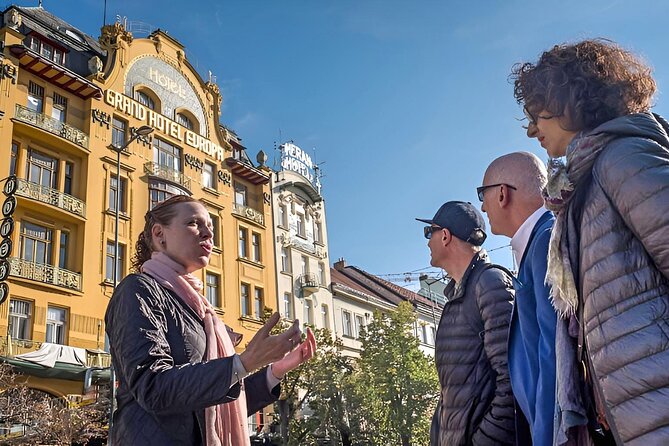
Then you reach Wenceslas Square, and the tone shifts to the 20th century. You’ll hear about Prague’s ordeals, which gives you context for what you see later in other monuments. It also helps you understand why Czech history is not just dates and facts, but a set of pressures that shaped identity.
If you enjoy history as a sequence, this segment is a strong match. You’re not just looking at famous places, you’re learning how one era creates conditions for the next.
More lanes taken at street level:
- Prague: 3-Hour Walking Tour of Old Town & Prague Castle
★ 4.7 · 5,696 reviews - Prague: Ghost Walking Tour Where Legends Come To Life
★ 4.4 · 5,253 reviews - Prague: Jewish Quarter Walking Tour with Admission Tickets
★ 4.7 · 3,729 reviews
Lucerna, Franciscan Gardens, Kafka, and Narodni trida: the walk keeps changing tempo
After Wenceslas Square, you continue through the city with stops that keep the story from feeling one-note. You’ll visit Lucerna Palace and then move toward Franciscan Gardens, a brief pause in the middle of the route that helps you reset your legs and your attention. That matters because the tour is designed to keep momentum, and your energy is part of the experience.
Next comes the Head of Franz Kafka stop. Even if you already know Kafka’s name, the point here is not celebrity. Your guide uses the stop as a way to connect Prague’s cultural atmosphere to the larger historical setting you’ve been hearing about.
You’ll also walk through Narodni trída, and by the time you’re there you’ve already been primed to notice layers. Prague stops being a backdrop and starts acting like a living archive. The guide’s job is to connect these places to the bigger ideas, not to overload you with unrelated facts.
Tip for getting the most out of this middle stretch: wear comfortable shoes and keep your phone charged, but try not to spend every minute staring at a screen. You’ll remember more if you let the route do its work.
Clementinum, Charles University, and Karolinum: where culture meets civic life
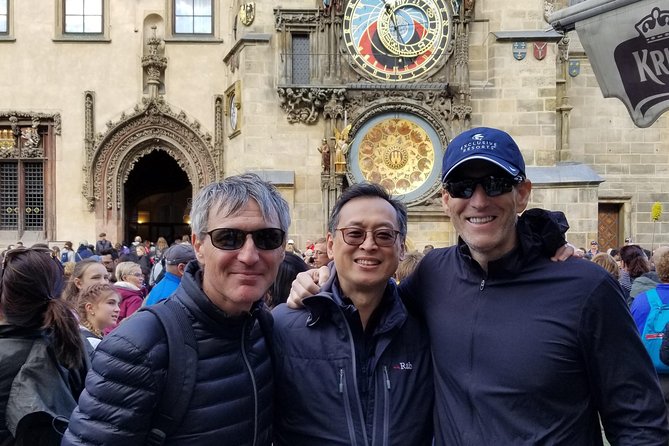
One of the best parts of an orientation tour is learning what kinds of places you’re walking past. Here, you hit Clementinum, then the Faculty of Arts at Charles University, and later Karolinum. These stops are included for a reason, because they let your guide connect Prague’s cultural and civic energy to the broader story.
You’ll notice that the tour does not treat history like a straight line. Instead, it shows how different kinds of institutions, education, and public life fit into the same long narrative. That’s especially useful if this is your first visit, because it gives your brain something to organize. After this walk, you’ll be able to look at a building and think, what role did this kind of place play?
This section is also a good reality check. If you’re coming to Prague mainly for visuals, you’ll still get the visuals, like at major squares and landmarks. But the guide keeps pulling you back to meaning, which is the difference between seeing and understanding.
Also chalked up in Prague
Jewish Quarter storytelling: Old-New Synagogue, cemetery, and ghetto-era context
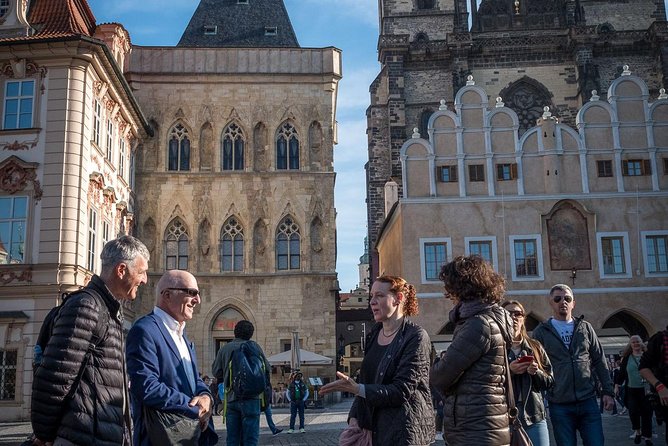
The Jewish Quarter portion is the emotional and intellectual center of the tour. Your guide takes you through the area with a clear focus: stories from the time of the Jewish ghetto, and the cultural and economic interactions between Prague’s Jewish community and its German and Czech neighbors.
You’ll see several specific landmark points, including the oldest functioning temple in Europe, the Old-New Synagogue. You’ll also visit the ancient Jewish cemetery and the Rococo Town Hall. Those are not interchangeable stops. Together, they show different sides of community life, from worship and tradition to the long memory carried in burial grounds.
What I appreciate here is the way the tour links lived community history to the wider European forces you already heard about earlier in the walk. You’re not switching to a totally separate topic. You’re continuing the same theme, how Prague absorbed and negotiated cultural change.
And if you’re the kind of traveler who prefers a narrative to a checklist, this is where it shines. You get the sense that your guide is building a picture, not just moving you from one address to another.
Municipal House and Prague’s standout landmarks: Art Nouveau plus key symbols
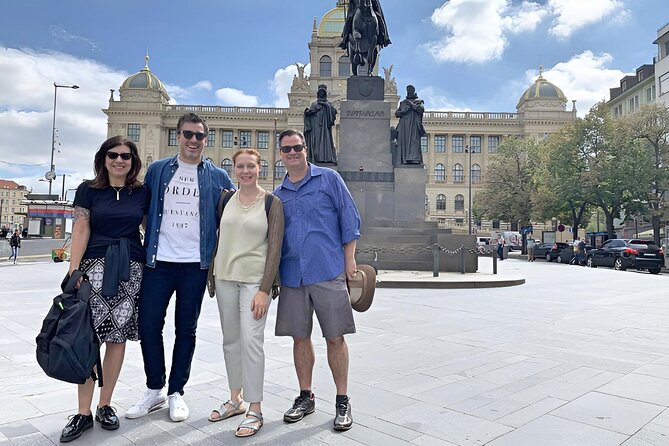
Later in the walk, the highlights shift toward visual landmarks and big symbolic moments. You’ll include stops connected to major Prague identities, such as the Estates Theatre and the House of the Black Madonna. You’ll also pass the Powder Tower, a recognizable focal point that gives you a feeling of stepping into the city’s older defensive past.
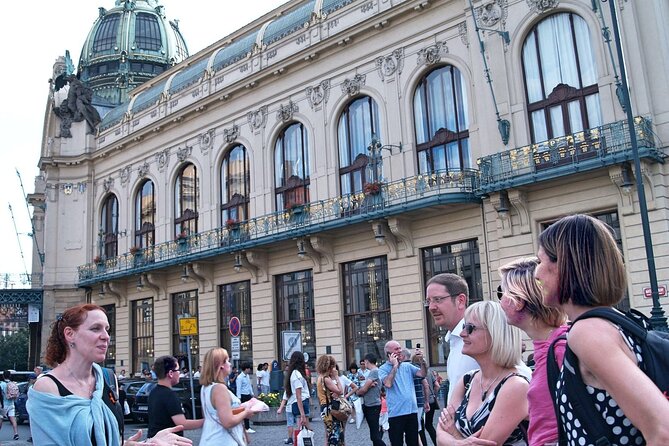
Then comes the moment many people remember: Municipal House. Your guide points out it as the greatest of Prague’s Art Nouveau masterpieces, and the stop has a deeper meaning in the tour’s story arc. You learn about the most optimistic moment in the 20th century that led to Czech independence.
That pairing is smart. A lot of tours stop at style, like art for art’s sake. Here, Art Nouveau becomes part of the emotional and political story. It helps you understand why a building can feel like a turning point, not just a pretty facade.
If you’re short on time and you want the walk to give you both beauty and context, this is where it does the job. You leave with a mental image that matches the historical thread you heard earlier.
Finishing by the Vltava River: Czech democracy after the Soviet era
The tour ends at the Vltava River, and that ending is more than a scenic wrap-up. Your guide tells you about the Czech political system as it continues to develop as a modern democracy in this period of post-Soviet revival. That “then and now” move is what makes the tour feel complete.
By the time you reach the river, you’ve already covered medieval trade, multicultural complexity, the 20th-century ordeals, and the independence optimism. Ending with modern political development helps you connect Prague’s past to its present, which is what makes an introduction tour worth doing.
A small practical note: if you plan dinner nearby, pick a spot close to where you expect to finish. You’ll have the energy to keep walking, but you may not want to immediately start negotiating transit.
Price and value: what $123 buys in a 3-hour intro
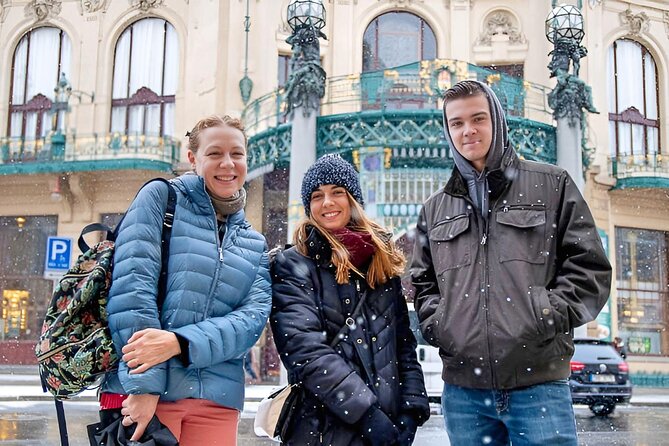
At $123 per person for a 3-hour, small-group guided walking tour, you’re paying for the storytelling and the guide’s ability to connect the dots. What makes it feel fair is the group size limit of 10 participants and the depth implied by the guide credentials. This is not just someone reading a script. The tour is led by professors, doctoral students, historians, journalists, art critics, and published authors, which is a strong sign the emphasis will be meaning, not trivia.
You’re also getting a dense route. In a single morning or afternoon, you see Old Town Square themes, Wenceslas Square, the Municipal House, and a multi-stop Jewish Quarter segment that includes the Old-New Synagogue, the cemetery, and the Rococo Town Hall. You cover a big chunk of “first-time Prague” without having to plan it yourself.
Is it perfect value for everyone? If you hate walking and you want slow museum time, you might feel it is packed. But if you want orientation plus memorable anchors, the price starts to make sense quickly.
Should you book this Prague introduction walking tour?
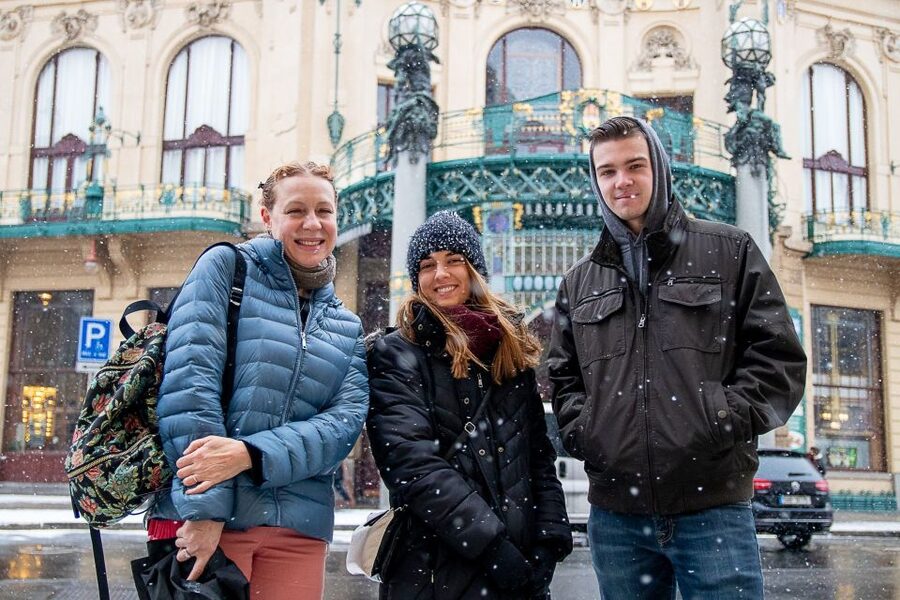
Book it if you want a first visit that feels organized. This tour is ideal for people who want to understand Prague as a connected story, medieval roots through Jewish Quarter life and ghetto history, then into independence optimism and post-Soviet democratic development. The small-group format helps, and the fact that guides come from academic and publishing backgrounds is a big plus.
Skip it or add buffer time if you tend to pause often for photos, need long breaks, or like to explore at your own pace at every stop. Because it is 3 hours, the tour is built to move. You can still enjoy the sights, but you may need to come back for extra wandering after.
FAQ
How long is the Prague Introduction Walking Tour?
It lasts 3 hours.
Where do I meet the guide?
Meet your guide outside Cafe Cukrárna Myšák, Vodičkova 710/31.
Where does the tour end?
The tour ends at the Vltava River.
Is the tour offered in English?
Yes, the live tour guide speaks English.
What group size should I expect?
It is a small group limited to 10 participants.
What is included in the price?
The tour includes a 3-hour guided walking tour.
What are the main highlights of the tour?
You will see monuments tied to Prague’s role in European history, walk through the Old Town streets, visit the Municipal House Art Nouveau highlight, and explore the Jewish Quarter including the Old-New Synagogue, the ancient Jewish cemetery, and the Rococo Town Hall.
Is the Jewish Quarter part of the tour focused on specific stories?
Yes. You hear stories from the time of the Jewish ghetto and about cultural and economic interactions with German and Czech neighbors.
Can I cancel for a full refund?
Free cancellation is available up to 24 hours in advance for a full refund.
Can I reserve and pay later?
Yes. You can reserve your spot and pay nothing today.
Newly posted under the arches of Prague


Walking Tours, compared.
3-Hour Walking Tour of Old Town & Prague Castle
Read our review →
Ghost Walking Tour Where Legends Come To Life
Read our review →
Jewish Quarter Walking Tour with Admission Tickets
Read our review →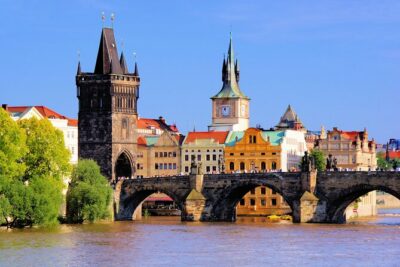
Prague Guided Walking Tour and Cruise with Authentic Czech Lunch
Read our review →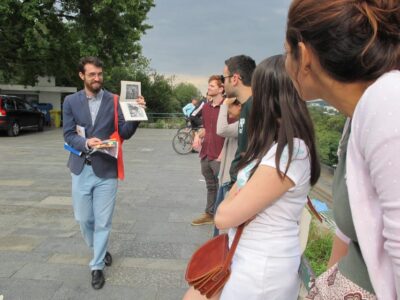
Old Town and Jewish Quarter Guided Walking Tour
Read our review →
Prague Ghost and Legend of Old Town Walking Tour
Read our review →
Prague 3-hour Afternoon Walking Tour including Prague Castle
Read our review →
Ghosts and Legends Nighttime Guided Walking Tour
Read our review →Browse the lists this tour appears in