
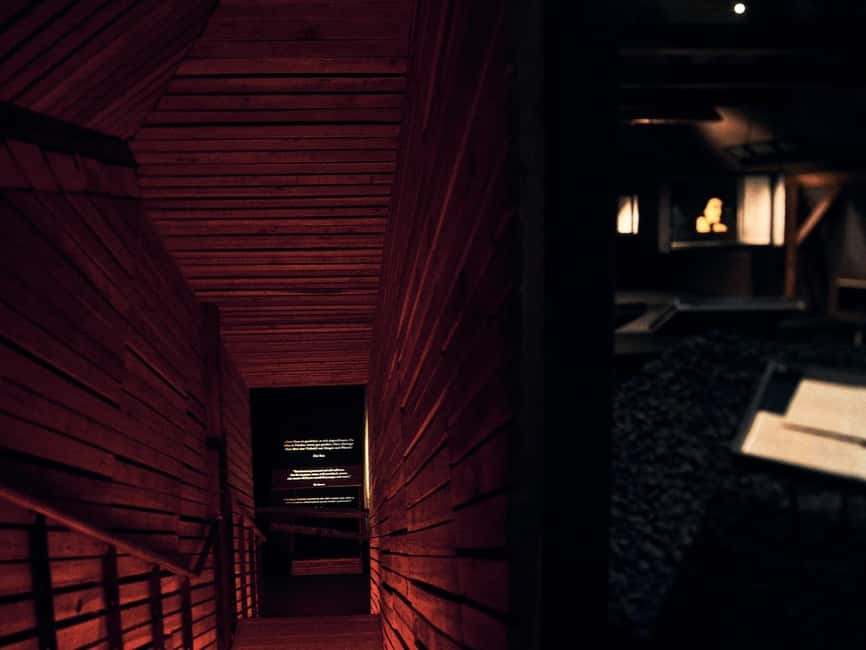
Reviewed · MUSEUMS
Prague: Kafka Museum Entry Ticket
Kafka had a strange way of feeling real.
At Prague’s Kafka Museum in the Hergetova Cihelna complex on the Lesser Town bank of the Vltava River, you get a ticket that turns his writing into a sensory, symbolic experience. I like the chance to see rare manuscripts, diaries, and first editions in person, and I also love the way the museum uses audiovisual installations and newly presented displays to frame his themes of existential anxiety and alienation. One thing to consider: this is not a big, casual “walk and read” museum, so if you want only light entertainment, you might find the tone heavy.
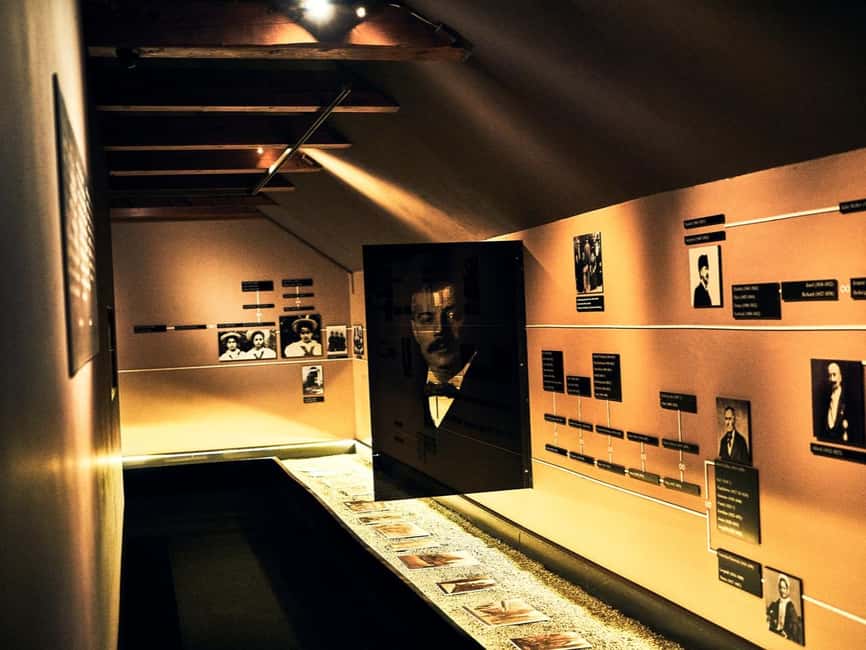
I also appreciate that the exhibition is arranged like a journey, not a stack of glass cases. You move through documents, photos, drawings, and even three-dimensional exhibits, then end with a clearer sense of why Kafka’s struggles still matter. If you only have a short stop in Prague, this one can still fit well because it’s designed as a focused 1-day visit.
In This Review
- Key things that make this ticket worth your time
- Kafka Museum Prague: Where the Story Starts by the Vltava
- Rare Manuscripts, Diaries, and First Editions: The Real Backbone
- From Anxiety to Absurdity: How the Audiovisual Rooms Work
- Photos, Drawings, and 3D Exhibits: Prague as Kafka Knew It
- Never-Before-Seen Works and Exclusive Museum Music
- Finishing Strong: Kafka’s Influence and His Personal Pressure
- Price and Timing: Getting Value From a $14 Ticket
- Should You Book This Kafka Museum Ticket?
- FAQ
- Where is the Kafka Museum located?
- How long is the visit?
- How much does the Kafka Museum ticket cost?
- What is included with the entry ticket?
- Is a guided tour included?
- What kinds of items will I be able to see inside?
- Is music part of the experience?
- How does the exhibition describe its themes?
- What is the cancellation policy?
- Can I reserve now and pay later?
Key things that make this ticket worth your time
- Hergetova Cihelna location by the Vltava River, on the Lesser Town side, for a setting that feels connected to Prague’s edges
- Rare original materials, including manuscripts, diaries, and first editions of Kafka’s works
- Audiovisual installations that translate his themes into sound and image
- Photos and drawings that show Prague as Kafka would have seen it
- Works shown for the first time, plus music composed exclusively for the museum
- A symbolic journey built around existential anxiety, alienation, and absurdity
Kafka Museum Prague: Where the Story Starts by the Vltava
The Kafka Museum sits in Hergetova Cihelna, a historic building on the Lesser Town bank of the Vltava. That matters more than you might think, because you are stepping into an exhibition that is already tied to atmosphere: Prague’s riverfront gives you a sense of old city rhythm before you even enter the galleries.
I like arriving a bit early so you can slow down and orient yourself. The museum experience is themed and emotional, so you get more out of it if you are not rushed and you can actually pay attention to what you’re seeing and hearing.
Also, this is a ticket-based visit focused on the exhibition itself, not a tour that explains everything for you. That can be a good thing. You can set your own pace, and the museum’s design does the heavy lifting with its displays, audiovisual elements, and special music.
Rare Manuscripts, Diaries, and First Editions: The Real Backbone
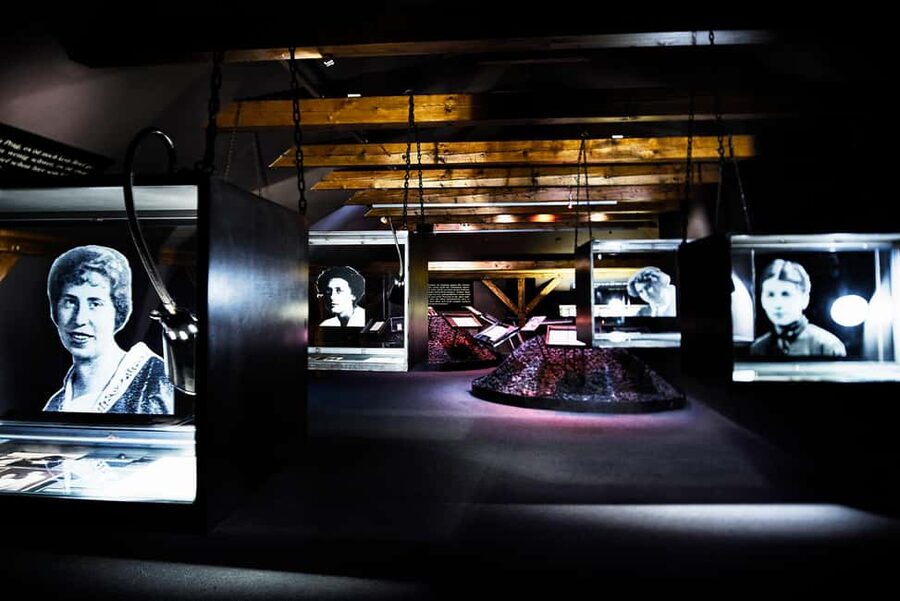
A big reason to choose this Kafka Museum entry ticket is what you’re promised at the start: rare historical documents and personal writing material. Early in the exhibit, you’ll see items like first editions, personal correspondence, diaries, and manuscripts.
For me, this is the part that turns Kafka from a name into a person. Paper and ink make the writing feel less like a distant classic and more like an everyday record of thought, fear, and pressure. Seeing first editions also gives you a tangible anchor, like you’re watching literature take shape.
What I find practical here is how the museum structures the early section. It doesn’t ask you to start with abstract ideas. It starts with artifacts, so your brain can ground the later themes in something physical.
If you’re the type who likes to read captions carefully, you’ll do well here. If you skim, you’ll still catch the main themes, but you’ll miss some of the punch that comes from noticing what kind of writing material you’re looking at.
More exhibition halls out of the rain:
- Prague: Museum of Fantastic Illusions Entry Ticket
★ 4.3 · 4,337 reviews - IAM Illusion Art Museum Entry Ticket
★ 4.2 · 1,664 reviews - Prague: Museum of Senses Admission Ticket
★ 4.0 · 1,445 reviews
From Anxiety to Absurdity: How the Audiovisual Rooms Work
Kafka’s themes can feel hard to pin down on a page. The museum solves that with audiovisual installations that present his inner world as a symbolic journey.
As you move deeper, the exhibition uses a mix of displays to create atmosphere around existential anxiety, alienation, and absurdity. You’re not just watching presentations. You’re experiencing his world through sound and image as the exhibition guides you from one theme to the next.
I like this approach because it meets you halfway. If you read Kafka and feel like his thoughts are everywhere at once, the museum design helps you organize that feeling into something you can walk through. It turns emotion into a route.
One practical note: audiovisual installations can take a bit more time than plain galleries, because you may need to pause, listen, and reset your attention. If you plan to do this and then sprint to another museum immediately after, you may feel a little rushed. I’d rather treat Kafka Museum as your main cultural stop for the day.
Photos, Drawings, and 3D Exhibits: Prague as Kafka Knew It
The museum also includes photographs and drawings that capture Prague in Kafka’s time. That’s a smart move because it gives you context without making you memorize dates. Seeing visual records of the city helps you understand where the atmosphere of Kafka’s work could have taken root.
You’ll also encounter three-dimensional exhibits. Even without getting too technical, this is useful because Kafka’s writing is often described in terms that feel abstract. 3D objects give you something you can focus on, rotate mentally, and return to. It’s easier to stay engaged when there’s a physical layer to your attention.
If you like “place-based” literature, this section is for you. Instead of only studying Kafka as an individual writer, you start to connect his themes to a city mood. Prague becomes more than a postcard background.
Try to give yourself small breaks here. After the more document-heavy portions, the visual displays can help you recalibrate. It’s also where the exhibition’s symbolic journey becomes easier to follow, because the museum is shifting from writing materials to atmosphere.
Also chalked up in Prague



Never-Before-Seen Works and Exclusive Museum Music
One of the more exciting points about this visit is that you’ll see works that have never been displayed before. That gives your ticket a sense of novelty beyond just seeing “Kafka things” in general.
The museum also includes music composed exclusively for the Kafka Museum. That matters because it’s not generic background. The sound design is part of the exhibition’s goal: to represent Kafka’s existential themes through tone and texture.
I’m a fan of exhibitions that treat audio as a tool, not decoration. When music is made for a specific museum, it tends to match the emotional pacing of the rooms. In a Kafka-themed setting, that pairing can help you feel the shift between anxiety, alienation, and absurdity without having to translate everything into your own words.
One consideration: if you strongly dislike music in museums, you may want to approach this section with your expectations set. The data here makes it clear that this museum experience includes exclusive musical composition, so it’s part of the deal.
Finishing Strong: Kafka’s Influence and His Personal Pressure
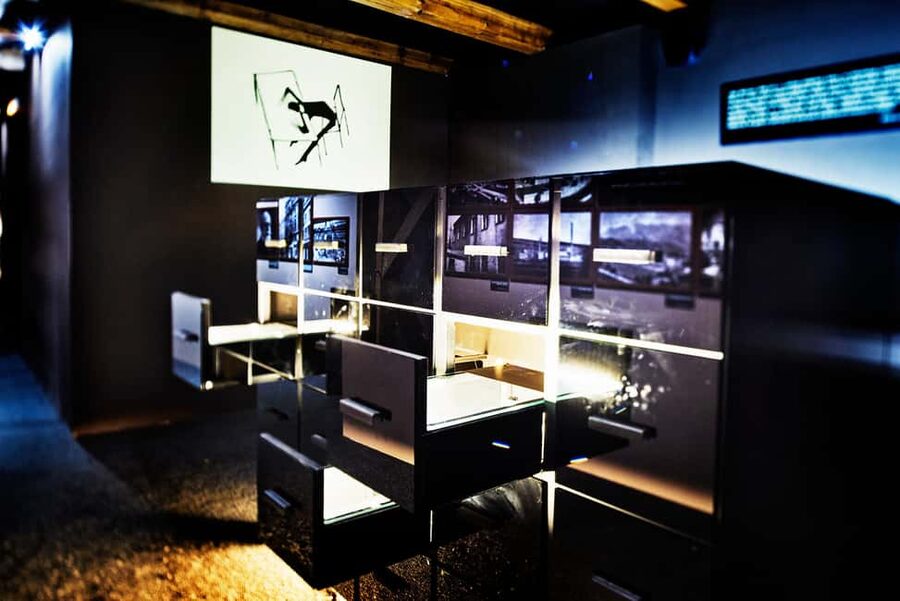
The exhibition ends with a deeper understanding of Kafka’s influence and the personal struggles tied to societal expectations and inner anxieties. This closing part is important because the museum could easily stop at atmosphere and artifacts, but it doesn’t. It pulls your attention back toward meaning.
If you’ve ever finished reading Kafka and felt like you understood the themes but not the human weight behind them, this ending section is designed to help. It frames his impact on modern literature while also pointing toward the tension between what society expects and what he experiences inside.
From a practical standpoint, this is the best time to slow down and look at what you remember from earlier. If the opening was documents and the middle was symbolic sound and image, the ending connects the dots. You leave with a clearer “so what” instead of just an emotional experience.
Price and Timing: Getting Value From a $14 Ticket
At $14 per person for a 1-day visit, this ticket is trying to do something specific: replace a generic museum afternoon with a focused literary experience. I’d call that good value if you want Kafka’s world presented through original documents plus multimedia.
It’s also a value move that the ticket includes more than entry. Your ticket gives you access to audiovisual installations and viewing of the museum’s rare manuscripts and exhibits. You are not paying just to stand in front of a few cases.
The only timing clue you get is that the ticket is valid for 1 day and you should check availability to see starting times. So treat this as a timed museum plan, not something you can easily tack on whenever. If you want the most out of the audiovisual sections, pick a starting time that doesn’t force you to run to the next thing.
Who tends to enjoy this ticket most:
- People who like literature but want more than text-only presentation
- Visitors who enjoy museums that use sound and media to set mood
- Anyone curious about Kafka’s writing materials, not only his famous plots
Who might not:
- If you want a light, fast visit with minimal emotional heaviness
- If you mainly prefer standard art-style displays without audiovisual components
Should You Book This Kafka Museum Ticket?
I think you should book this ticket if Kafka is on your reading list, or if you’ve read him and want a guided path from his personal documents to the bigger ideas. The big strengths for me are the combination of rare manuscripts and first editions with audiovisual storytelling, plus the extra attention to sound through music composed exclusively for the museum. That mix turns the visit into more than a passive history stop.
Skip it if you’re looking for a purely cheerful museum day. This exhibition is built around anxiety, alienation, and absurdity, and it’s designed to reflect that through symbolic installations and music.
Also, one practical way to decide: if you plan to spend your Prague day moving between sights, keep your schedule flexible enough that you can actually pause in the audiovisual parts. This is a museum where slowing down makes the experience land better.
FAQ
Where is the Kafka Museum located?
The Kafka Museum is in the historic Hergetova Cihelna on the Lesser Town bank of the Vltava River in Prague.
How long is the visit?
The activity is listed as 1 day.
How much does the Kafka Museum ticket cost?
The price is $14 per person.
What is included with the entry ticket?
The ticket includes entry to the Kafka Museum, access to the audiovisual installations, and viewing of rare manuscripts and exhibits.
Is a guided tour included?
No. Guided tours are not included.
What kinds of items will I be able to see inside?
You can see rare manuscripts, diaries, first editions, personal correspondence, photographs, and drawings, along with three-dimensional exhibits and audiovisual installations.
Is music part of the experience?
Yes. The museum includes music composed exclusively for the Kafka Museum.
How does the exhibition describe its themes?
The exhibition is designed as a symbolic journey reflecting Kafka’s existential themes, including existential anxiety, alienation, and absurdity.
What is the cancellation policy?
Free cancellation is available up to 24 hours in advance for a full refund.
Can I reserve now and pay later?
Yes. It offers a reserve now and pay later option, described as pay nothing today.
Newly posted under the arches of Prague

Museums, compared.
IAM Illusion Art Museum Prague Fast Pass Ticket
Read our review →
Ticket to Audiovisual Light Art at Lumia Gallery
Read our review →
Browse the lists this tour appears in