
Reviewed · COMMUNIST HISTORY & COLD WAR WALKS
Prague: Museum of Communism Entrance Ticket
Communism has a smell, and you’ll meet it. This Prague museum turns history into walk-through spaces, with reconstructed rooms and a big, clearly organized exhibition spanning nearly 1,500 m² and 62 panels. It covers how the totalitarian regime shaped everyday life in Czechoslovakia from the February 1948 putsch until the Velvet Revolution in 1989.
I especially like the way the museum mixes big-picture politics with the small stuff, like how people studied, worked, and lived behind closed doors. The focus on original artifacts and hands-on mock-ups keeps the story grounded, not abstract.
One practical consideration: the exhibition is text-heavy, so if you prefer a lighter, mostly visual museum, build in extra time or plan to skim some sections.
In This Review
- Key things I found most impressive
- Finding the Museum of Communism, and setting expectations
- How the exhibition is built across 62 panels and nearly 1,500 m²
- Reconstructed classrooms, bedrooms, and workrooms that make the era tangible
- The themed sections: politics, propaganda, the StB, courts, and censorship
- Prague Spring and the Velvet Revolution, with some areas covered less deeply
- Photo collections that connect archives to personal reality
- Planning your time: how long you’ll likely spend inside
- The 15-minute documentary, plus a cinema with regular showings
- Fuel breaks at the museum café, and what to do if it’s limited
- Accessibility and getting around inside
- Who should book this ticket, and who might feel friction
- Price and whether it feels like good value
- Should you book the Museum of Communism ticket?
- FAQ
- What’s included with the entrance ticket?
- How long should I plan to spend?
- Is there a live tour guide?
- Is the museum wheelchair accessible?
- What languages are available?
- When do I need to buy things at the cash desk?
Key things I found most impressive
- Reconstructed daily life rooms, from classrooms and children’s bedrooms to an interrogation room
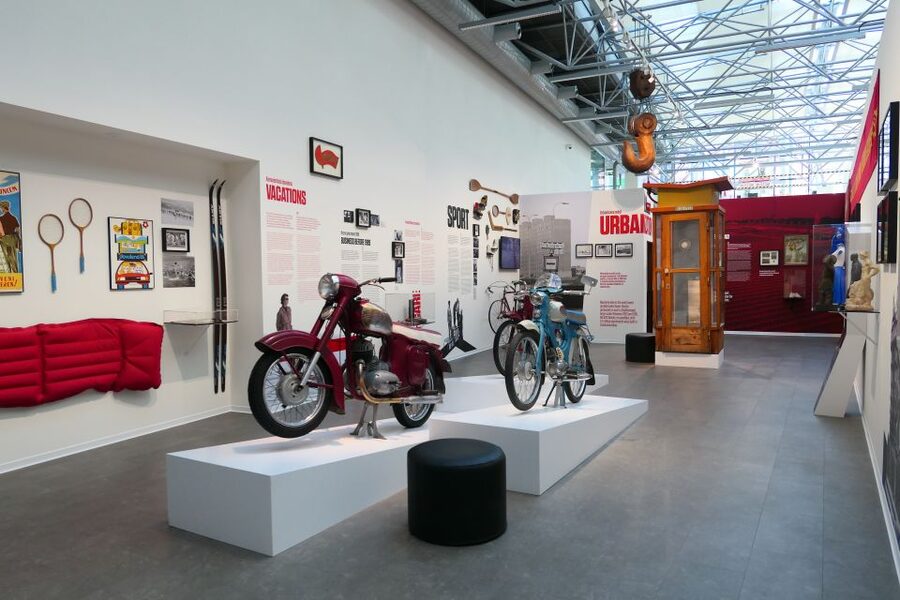
- Thematic panels covering politics, economics, education, sports, propaganda, the army, police, and StB
- Original materials and photos, including collections tied to major Czech photographers and security archives
- A short included documentary plus a cinema screen with regular showings
- Photographic archives that connect public events to private, human detail
Finding the Museum of Communism, and setting expectations
The Museum of Communism is at V Celnici 1031/4, 110 00 Prague, and it is the kind of stop that rewards you for slowing down. You are not going to see one big hall and move on. Instead, the ticket gets you a continuous walk through a structured exhibition that covers decades, institutions, and daily habits under a repressive system.
Go in with a clear goal. If you want to understand how Communist-era Czechoslovakia worked, this ticket gives you the framework. If you only want a quick overview of Soviet history, you might feel the museum is asking more of you than you planned.
It also helps to know what you are signing up for in terms of mood. The exhibition is designed to show the machinery of control, including censorship, policing, and show trials. That means it can feel heavy, even though the presentation is organized.
How the exhibition is built across 62 panels and nearly 1,500 m²
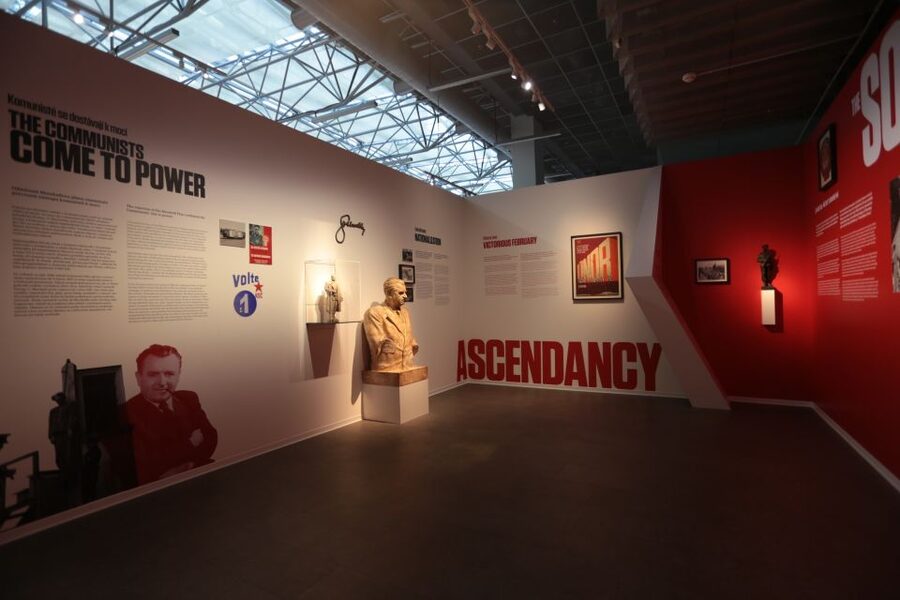
The museum’s core is an exhibition that runs nearly 1,500 m² and is organized into 62 panels. Those panels are grouped into themed sections, so you can follow a topic without getting lost in a timeline maze.
What I like about this format is that it mirrors how regimes operate. You can trace how politics connects to education, how propaganda links to sports, and how economics ties into everyday access and work. Instead of treating history as a chain of dates, the museum treats it like a system of parts.
You also get short videos, posters, and artifacts woven into the route. That mix matters. If you only had text boards, it would feel like homework. If you only had images, you would miss the structure that makes the story make sense.
Other communist-era and Cold War history walks:
- Prague: Communism History and Nuclear Bunker Guided Tour
★ 4.7 · 2,417 reviews - Prague Communism History and Nuclear Bunker Tour
★ 5.0 · 1,742 reviews - Communism & Nuclear Bunker Tour + 70s Canteen Lunch (own expense)
★ 5.0 · 1,036 reviews
Reconstructed classrooms, bedrooms, and workrooms that make the era tangible
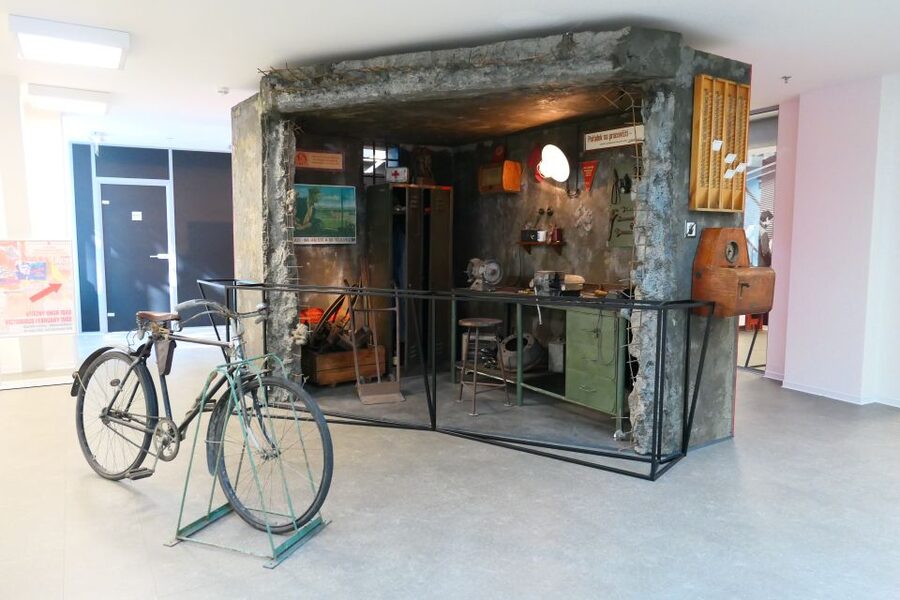
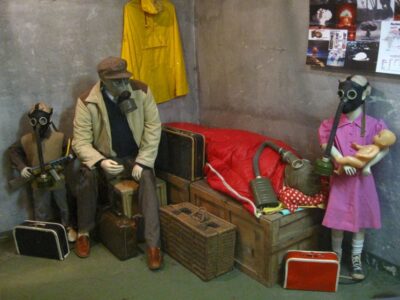
A big reason this experience is so effective is the way it uses mock-ups. With the entrance ticket, you can move through authentically reconstructed spaces that suggest how people spent ordinary hours.
You can expect rooms such as a classroom, a child’s bedroom, and a shock worker’s workshop. You also get an interrogation room, which is not just “about” fear, it is staged to help you understand what power looked like up close. These are the moments where the museum stops being a lecture and becomes a lived-feel environment.
And because the museum doesn’t just show objects but also the setting around them, you notice details you might otherwise miss. For example, the emphasis on education and youth spaces makes propaganda feel like a daily habit rather than an occasional broadcast.
The reconstructed spaces are one of the most praised parts of the experience because they help you connect policies to routines. If you like museums where the room design does half the explaining, you are going to enjoy this.
The themed sections: politics, propaganda, the StB, courts, and censorship
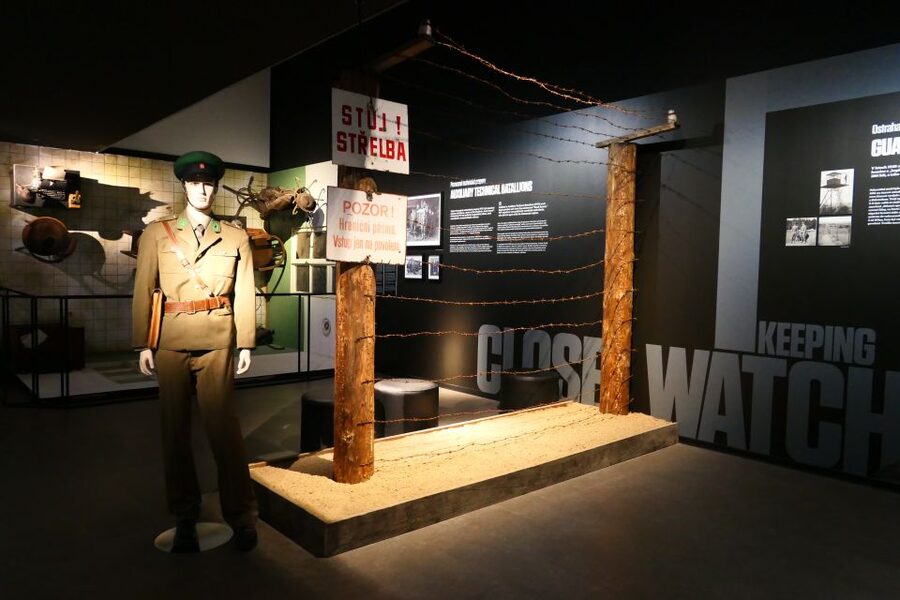
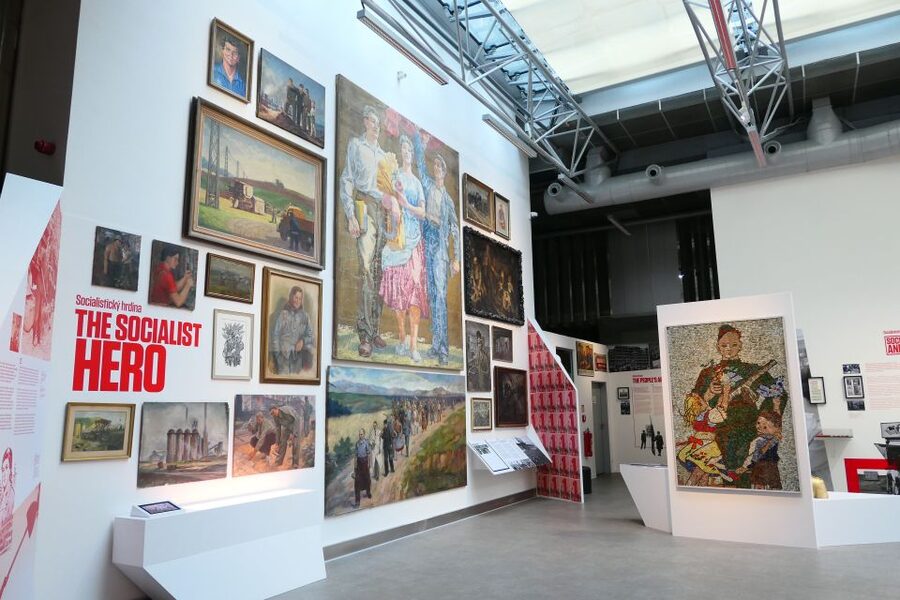
The exhibition centers on the totalitarian regime from the February 1948 putsch through 1989. It breaks the story into clear thematic chunks, including politics, economics, education, Socialist Realist art, and propaganda.
You also get sections devoted to institutions that most visitors only hear about in broad terms. Those include the People’s Militias, the army, the police, and StB, the secret police. There are panels that explain censorship and courts, and you will see how legal systems and security systems reinforced each other.
One thing I found useful is that the museum keeps you oriented while still going specific. It addresses show trials and political labor camps during the Stalinist era. That is a heavy topic, but the presentation aims to connect the dots between ideology, enforcement, and punishment.
If you are the type of visitor who wants to understand cause and effect, this is where you get it. Instead of random facts, you get a map of how control worked.
More exhibition halls out of the rain:

Prague Spring and the Velvet Revolution, with some areas covered less deeply
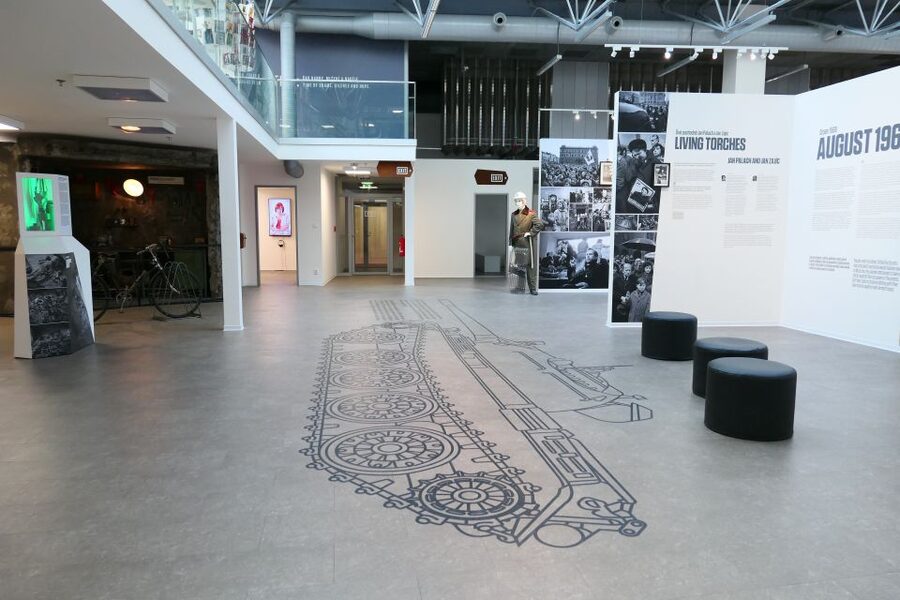
The exhibition takes you through the long arc of post-war rule, including the lead-up to major turning points such as the Prague Spring and the Velvet Revolution. You should be able to find relevant displays tied to these moments as part of the broader story.
That said, some parts of the route can feel like they offer fewer objects and less space than the early institutional sections. If you come specifically hunting for detailed, room-by-room coverage of 1968 or 1989, you might want to treat this as the starting point, then pair it with another source.
In practice, this means you may leave with a strong understanding of how the system worked day to day, even if you want more depth on the revolts and specific political pressures within a narrow time window.
Photo collections that connect archives to personal reality
One of the standout elements is the museum’s photographic material. The exhibition includes a wide collection tied to major archive sources, including the Czech News Agency archive, the Security Services Archive, and collections related to forced military camp laborers.
It also draws on personal collections of leading Czech photographers. This matters because photographs can show what posters cannot. A poster tells you what the state wants you to think. A photo can show the atmosphere, the framing, and the reality surrounding public life.
The result is that you end up understanding the Communist period not only as a political story, but as a visual culture. You start to see how propaganda images, staged scenes, and controlled messaging shaped what people expected to see.
If you enjoy photography or you like historical documents, plan extra attention here. Even if you do not read every line, you can still learn a lot from how the images are arranged alongside other evidence.
Planning your time: how long you’ll likely spend inside
The duration listed is 1 day, but the actual time on site is about how you read and how much you care about each section. In real visits, people often spend around 1.5 hours to 3 hours, depending on whether they read closely.
If you want the full effect, give yourself at least 2 hours. The museum includes a lot of text, plus videos and multiple themes. For a text-heavy museum, skimming makes you miss the links between sections.
A practical tip: pick a few “must-read” areas based on your interests, then treat the rest as context. For example, if you care most about censorship and policing, focus there first, then use the other sections to understand how those institutions linked back to schools, art, and propaganda.
The 15-minute documentary, plus a cinema with regular showings
Your ticket includes a 15-minute documentary about communism in Czechoslovakia. This is a helpful bridge if you arrive with questions you cannot yet answer from the boards alone.
There is also a cinema in the museum where you can watch a short documentary about the communist era at regular intervals. In other words, you can take a break without leaving the building.
I like this setup because it gives your brain a reset. After reading panels about institutions and control, watching a short film can help you reassemble what you learned into a single story.
If you’re someone who normally avoids cinemas in museums, do not skip this one. The documentary time is short, and it can make the rest of the route click.
Fuel breaks at the museum café, and what to do if it’s limited
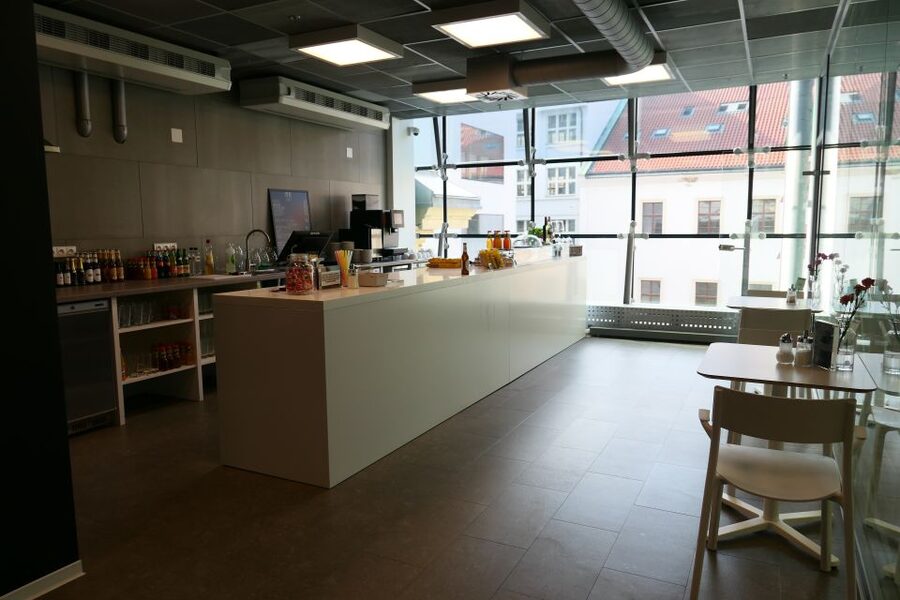
The museum has a museum café where you can take a break during your visit. This matters because the exhibition pace can feel slow, especially if you pause often to read.
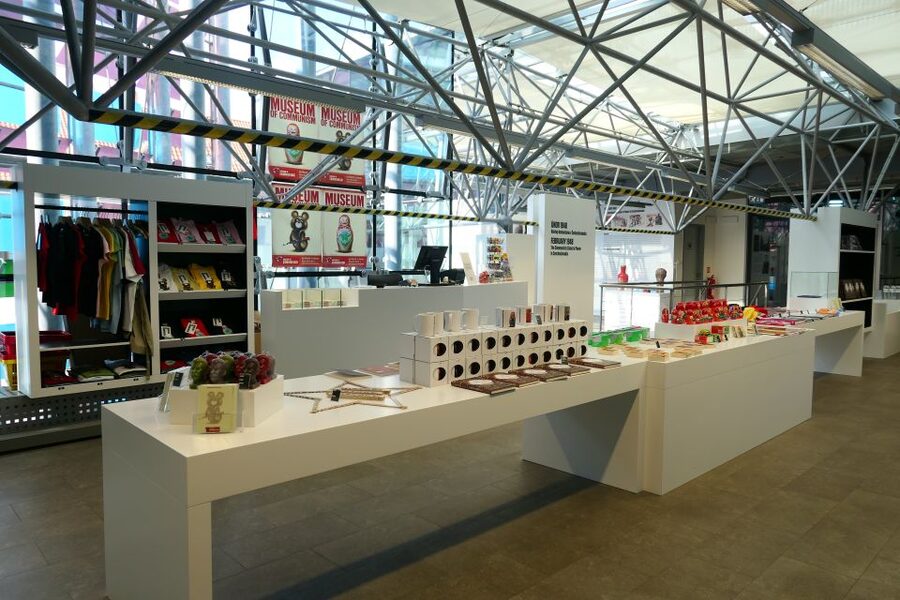
One review did mention that the cafe and gift shop were closed on a specific day, so it is smart to plan for the possibility that you might not have much food available. If you are visiting around mealtimes, consider grabbing something nearby so you are not stuck waiting.
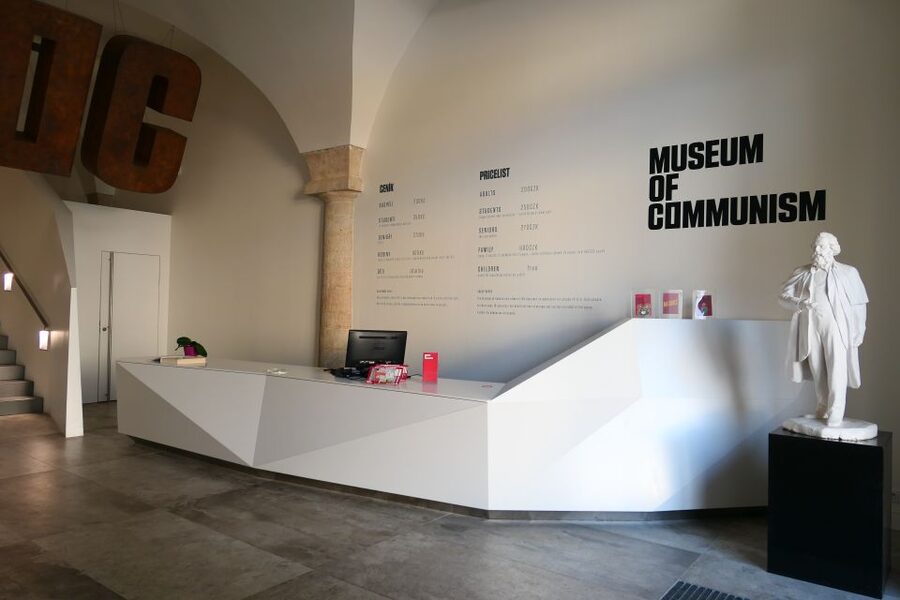
Also remember that the cash desk closes 30 minutes before the museum closes. That is a simple timing rule, but it matters if you want to buy anything at the end.
Accessibility and getting around inside
The ticket is wheelchair accessible. If you use a wheelchair or need step-free access, this is a major plus compared to older museum layouts that can be awkward.
Even if you are mobile, it can help to plan your route with the museum’s circular or continuous flow in mind. That layout encourages you to keep moving rather than doubling back.
Who should book this ticket, and who might feel friction
I think this ticket is a strong match if you want to understand communism as an operating system, not just a label. It is ideal for history-minded visitors, especially anyone interested in Czechoslovakia, post-war Europe, or how state power penetrated daily life.
It also suits visitors who like documentary evidence, photographs, and artifacts. The museum leans on primary material, panels, and reconstructed scenes, so you get a blend of proof and atmosphere.
If you dislike text-heavy exhibits, you may feel strained. The route relies on reading a lot, plus watching short videos. In that case, adjust expectations. Go for the themes that matter most to you, and let the rest be supporting context.
Price and whether it feels like good value
The ticket price is $18 per person, and that is one of the reasons I feel comfortable recommending it. You are not paying for a single room. You are paying for a large, structured exhibition across nearly 1,500 m² plus a 15-minute documentary.
At this price, the value is especially strong because you get both interpretation and evidence. The panels cover politics, institutions, and ideology, while the artifacts, photographs, and reconstructed spaces provide the concrete anchors.
The only way price feels less fair is if you want a quick stop, mostly visual content, or if you are not interested in reading and institutional history. For those visitors, the museum can feel like more effort than payoff.
Should you book the Museum of Communism ticket?
Book it if you want a clear, structured look at how Communist-era Czechoslovakia worked, from propaganda and education to police, StB, courts, and censorship. The reconstructed rooms, strong thematic organization, and photo collections make it more than a generic “politics museum.”
Skip it or pair it with something else if you only have a short attention span for text and videos, or if you are specifically hunting for very deep coverage of one narrow event like 1968. This museum is best as a foundation, not a single-episode deep dive.
If you are the type of traveler who likes museums that change how you understand a place and its politics, this ticket is an easy yes.
FAQ
What’s included with the entrance ticket?
Your admission includes access to the museum exhibition and a 15-minute documentary about communism in Czechoslovakia. There is also a cinema in the museum where you can watch a short documentary about the communist era at regular intervals.
How long should I plan to spend?
The museum runs a full route through many themes, and many visits last about 1 to 2 hours, with some people spending closer to 3 hours if they read the exhibition closely.
Is there a live tour guide?
No live tour guide is included.
Is the museum wheelchair accessible?
Yes, the experience is wheelchair accessible.
What languages are available?
The information provided indicates English translation is available, and the experience notes that languages are supported. If you need a specific language, it is worth checking when you book.
When do I need to buy things at the cash desk?
The cash desk closes 30 minutes before the museum closes. If you plan to purchase anything at the end of your visit, do it before that cutoff.
Newly posted under the arches of Prague

Communist History & Cold War Walks, compared.
Communism History and Nuclear Bunker Guided Tour
Read our review →
Prague Communism History and Nuclear Bunker Tour
Read our review →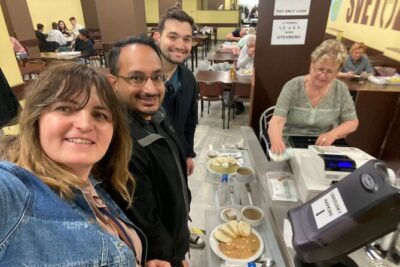
Communism & Nuclear Bunker Tour + 70s Canteen Lunch (own expense)
Read our review →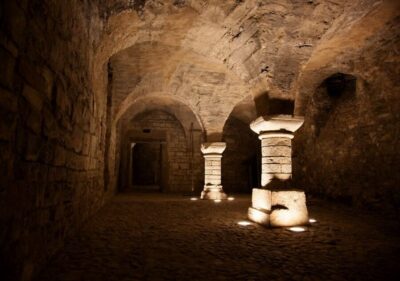
WWII Guided Tour & The Crypt of Operation Anthropoid
Read our review →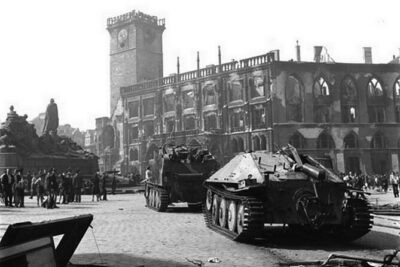
WWII in Prague Tour & The Crypt of Operation Anthropoid
Read our review →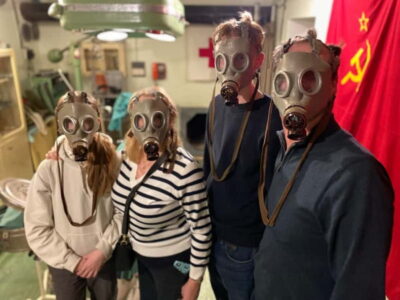
Communism and Bunker Tour with 70s Canteen Lunch
Read our review →
Small-Group World War 2 & Operation Anthropoid Tour in Prague
Read our review →
World War 2 and Operation Anthropoid Walking Tour
Read our review →Browse the lists this tour appears in