
Reviewed · JEWISH QUARTER & JOSEFOV HISTORY WALKS
Prague Synagogues and Jewish Quarter Private Walking Tour
Jewish Prague deserves a guided, not rushed, walk. I like the way this private route keeps you with a licensed guide from the area of the Astronomical Clock straight into Josefov, with time set aside at each stop to ask questions. It is the kind of structure that helps you connect the buildings to real people and real events, instead of just ticking off landmarks.
What I love most is the time at each synagogue and memorial site, plus the stories that link Prague’s Jewish community to wider history. The main drawback is pacing, you may find it talk-heavy at each stop, so if you want maximum walking with minimum standing still, plan for a slower feel.
In This Review
- Key things to know before you go
- Why this Jewish Quarter tour feels different from a standard sightseeing walk
- Meeting near the Astronomical Clock, then slipping into Josefov
- Stop-by-stop: synagogues that show how Prague’s community changed
- Josefov and the Jewish Museum area
- Maisel Synagogue (built 1592)
- Pinkas Synagogue (1535) and the Holocaust memorial
- Old Jewish Cemetery (layered graves and the golem legend)
- Klausen Synagogue (Baroque after the 1689 fire)
- The Old-New Synagogue, built in the 13th century, still in use
- Spanish Synagogue (1868) and Moorish interior design
- Tickets, admissions, and what the included Jewish Museum access really means
- Price and value: what you’re paying for besides the sightseeing
- Pacing, walking distance, and comfort tips that keep the day enjoyable
- Who should book this private synagogue and cemetery tour
- Should you book this tour?
- FAQ
- How long is the Prague Synagogues and Jewish Quarter private walking tour?
- What language is the tour offered in?
- Is pickup included, and where does the guide meet you?
- Is this tour private?
- Are Jewish Museum tickets included?
- Which stops are included on the route?
- Is a tip included in the price?
Key things to know before you go
- Private group, tailored pacing so you can ask questions without a crowd pushing you along
- Josefov synagogue circuit plus the Old Jewish Cemetery for both daily life and the darker chapters
- Jewish Museum tickets are included which matters for cutting friction inside the museum sites
- Guides named Gabriela, Hana, Hannah, and Janna get especially strong praise for clarity and a calm pace
- Pick up on foot near your hotel (no car pickup), helpful if you want the walk to start smoothly
Why this Jewish Quarter tour feels different from a standard sightseeing walk
Prague’s Jewish Quarter, Josefov, is not one attraction. It is an entire world of synagogues, museum spaces, and the Old Jewish Cemetery, all packed into a small area. The best way to handle it is with a guide who can stitch the places together into a single story you can actually remember.
I like that this tour leans on interpretation. You are not just hearing dates, you are hearing why a synagogue was built, what a memorial is meant to communicate, and how later events changed what people could do and where they could gather. That also makes the architecture click. Gothic becomes less about style and more about what a community wanted at that moment.
One more practical plus, the timing gives you room to stop and ask questions. That matters here, because some topics are emotional and you may want context before you move on.
Meeting near the Astronomical Clock, then slipping into Josefov
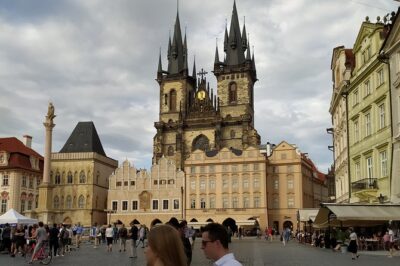
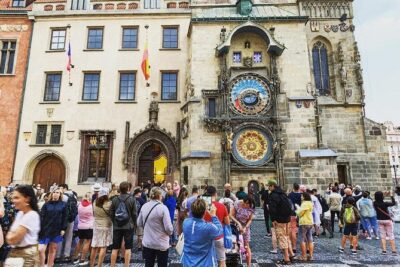
The tour starts near the Astronomical Clock in the Old Town. After meeting right under the clock, you head into Josefov, and the first touchpoint is that iconic public square energy before things quiet down into the Jewish Quarter lanes.
Stop 1 is short, about five minutes, and it is really about orientation. The guide uses it to help you understand where you are and why this part of Prague became such a focal point over time. Then the tour settles into the Josefov rhythm, with longer holds inside key sites.
If you care about logistics, here’s what to plan for: it is a walking tour with pickups handled on foot. That means your guide meets you at your hotel reception or outside your apartment building, but only on foot access is supported, not by car.
Other Jewish Quarter and Josefov history walks:
- Prague: Jewish Quarter Walking Tour with Admission Tickets
★ 4.7 · 3,729 reviews - Prague: Old Town and Jewish Quarter Guided Tour in German
★ 4.8 · 3,143 reviews - Prague: Old Town and Jewish Quarter Guided Walking Tour
★ 4.6 · 2,847 reviews
Stop-by-stop: synagogues that show how Prague’s community changed
The heart of the experience is the synagogue sequence, and each stop has a distinct purpose. Together, they read like a timeline of community life, resilience, and memory.
Josefov and the Jewish Museum area
Josefov is described as a major Jewish sight precisely because it was not destroyed during World War II. That is a big deal, because it means you are standing in a preserved physical record, not just hearing about what used to be there.
This stop also ties into the Jewish Museum concept, which covers an old Jewish cemetery and multiple synagogues that reflect different parts of Jewish heritage, traditions, art, and history. Even if you only absorb a few key points here, it sets you up to understand why later synagogues feel so different from one another.
More lanes taken at street level:

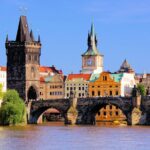
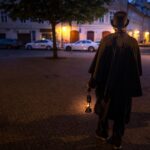
Maisel Synagogue (built 1592)
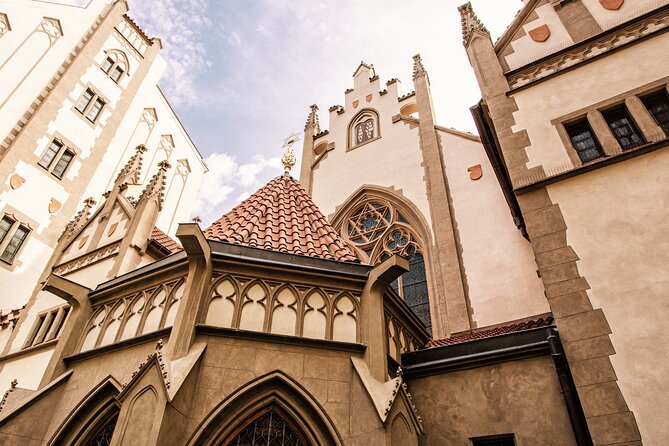
The Maisel Synagogue, built in 1592, is named after its founder, Mordecai Maisel, who served as mayor of the Jewish town. The story here is about community leadership and local philanthropy, including support for ritual baths and an almshouse, plus funding for buildings like the Jewish Town Hall and more synagogues.
What makes this stop useful is that it turns a building into a social map. You start noticing how power, charitable work, and religious life intersected in the Jewish Quarter.
Pinkas Synagogue (1535) and the Holocaust memorial
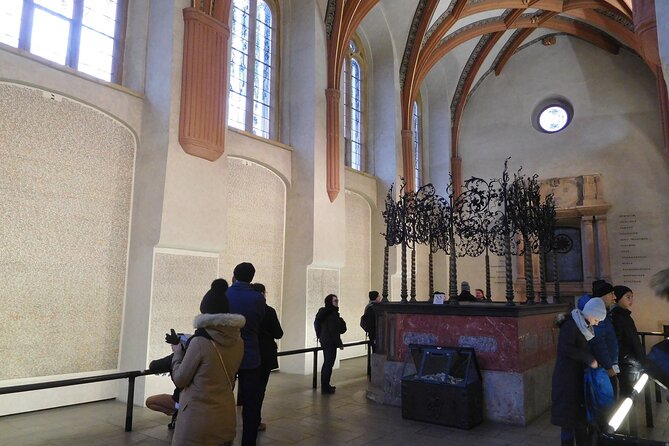
The Pinkas Synagogue, dated to 1535, is part of the Jewish Museum and functions as a memorial for nearly 80,000 Jewish victims from the Czech lands. That scale matters. It is not a small commemorative room, it is a statement of loss that asks you to slow down.
This is also one of the stops where your guide’s tone and pacing matter a lot. With the time allowed here, you can absorb what the memorial is trying to communicate without feeling rushed onward.
Old Jewish Cemetery (layered graves and the golem legend)
The Old Jewish Cemetery is one of the largest Jewish cemeteries in Europe and among the world’s surviving ancient Jewish burial grounds still operating from the 15th century to the late 18th century. The sheer detail is heavy: about 80,000 residents from the Prague ghetto were buried here, and because the cemetery could not hold that amount, tombs are layered on top of each other, including one section reaching 12 layers.
Then the guide connects this place to local legend through Rabbi Judah Loew ben Bezalel. He is associated with the golem story, a mud figure said to have been summoned to life to protect the community from anti-Semitic attacks. Even if you treat it as folklore, it shows how communities process fear, hope, and self-defense when real protection is hard to find.
Klausen Synagogue (Baroque after the 1689 fire)
Klausen Synagogue is described as the biggest synagogue in the Prague Jewish Town. The name originally applied to three smaller buildings from the 16th century that included a yeshivah, a Talmudic school connected to Rabbi Loew.
After a ghetto fire in 1689, the current Klausen Synagogue was erected in 1694 in early Baroque style. I like how this stop is practical for understanding architectural change. You are literally seeing how disaster and rebuilding shape the religious landscape.
The Old-New Synagogue, built in the 13th century, still in use
The Old-New Synagogue is the oldest building in the Jewish Town and one of Europe’s oldest synagogues still in use. It is Gothic Cistercian in style and has served the Prague Jewish community for more than 700 years.
Two details make this stop memorable. First, Franz Kafka attended services here. Second, legend says the golem is hidden in the attic. Even if you do not buy the legend literally, it adds a human layer to a building that is otherwise easy to treat as just another old structure.
Spanish Synagogue (1868) and Moorish interior design
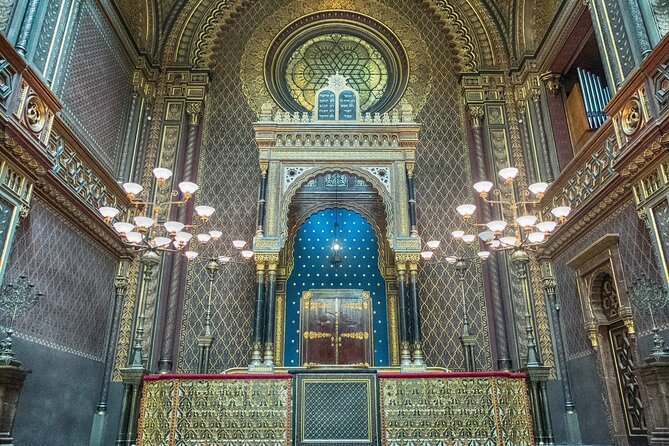
The Spanish Synagogue is the most recent synagogue in the Prague Jewish Town. Built in 1868 for the Reform congregation, it was named for its Moorish interior design, influenced by the Alhambra, after the site of an older synagogue.
This stop offers a different angle: Prague’s Jewish community was not frozen in one style or one practice. It adapted, and the building’s design reflects that shift. If you like architecture that tells a social story, this is a strong finale.
Tickets, admissions, and what the included Jewish Museum access really means
The tour includes Jewish Museum tickets, and it also notes which specific stops have free admission versus not included admission. In practical terms, that means your time inside museum-run spaces should be smoother than trying to figure out each entry rule on your own in a tight schedule.
That said, do not assume every synagogue inside this route is handled the same way for every booking. If the itinerary line for a particular site says admission is not included, I recommend you double-check what is covered in your confirmation so you are not surprised at a door. The tour is designed to be efficient, and that final check can keep your day calm.
Also note the Astronomical Clock stop is essentially a free orientation moment, so you are not paying entry just to get into Josefov.
Price and value: what you’re paying for besides the sightseeing
This private tour costs $175.24 per person and runs about 2 hours 30 minutes. That price is not cheap, but it is anchored to things that matter here: it is private, it includes a licensed guide, and Jewish Museum tickets are part of the deal.
So the value question is really this: do you want a guide who can explain why the synagogues, cemetery, and memorial spaces are placed and built the way they are? If yes, the cost starts to make sense. You are paying for context, not just access.
There is also pickup offered from your hotel reception or preferred city center spot, on foot. That is small, but it can be a real value upgrade on a tight travel day, because you reduce the risk of arriving late or losing time finding the right meeting point.
If you are traveling with more people, the tour also lists group discounts. When that applies, the per-person cost can feel far more reasonable.
Pacing, walking distance, and comfort tips that keep the day enjoyable
Expect lots of walking and frequent stop-and-listen moments. The tour’s strength is that it gives you time at each stop, but that can mean you spend more time stationary than you might on a pure photo-walk.
If you are okay with that, you will likely enjoy it more than you expect, because these sites reward attention. But if you are limited on stamina, bring comfortable shoes and plan for frequent pauses, especially at the cemetery.
One practical tip: use the questions time. If something feels confusing, ask right away. That is when your guide can connect the building you are looking at to the story you need next.
And yes, tip is not included. If this tour’s style works for you, set aside a tip amount in advance so you are not scrambling at the end.
Who should book this private synagogue and cemetery tour
This is a great fit if you want a focused, respectful tour of Jewish Prague without feeling lost. It is especially good for:
- First-time visitors to Prague who want Josefov handled in the right order
- People who care about connecting architecture and memorials to history, not just seeing buildings
- Travelers who like a calmer, private pace with time for questions
It may be less ideal if you want a fast pace and continuous movement. In that case, consider whether your style matches a tour that spends meaningful time at each synagogue and memorial stop.
Should you book this tour?
If your goal is to understand Prague’s Jewish Quarter as a living story, not a scavenger hunt, I’d say yes. The route hits the key synagogues, the Old Jewish Cemetery, and the museum framing that helps everything make sense, all with a private guide.
Book it when you value explanation, memorial context, and the chance to ask questions. Skip it or adjust expectations if you prefer a brisk walk with shorter stops, because the experience is set up for careful reading and listening.
FAQ
How long is the Prague Synagogues and Jewish Quarter private walking tour?
It runs about 2 hours 30 minutes.
What language is the tour offered in?
The tour is offered in English.
Is pickup included, and where does the guide meet you?
Pickup is offered from your hotel reception or another location in the city center on foot. The guide can meet you at your preferred spot, but pickup is only on foot, not by car.
Is this tour private?
Yes. It is a private tour or activity, and only your group participates.
Are Jewish Museum tickets included?
Jewish Museum tickets are included as part of the tour.
Which stops are included on the route?
The tour includes the Old Town Hall with the Astronomical Clock area, Josefov, Maisel Synagogue, Pinkas Synagogue, the Old Jewish Cemetery, Klausen Synagogue, the Old-New Synagogue, and the Spanish Synagogue.
Is a tip included in the price?
No. Tip is not included.
Newly posted under the arches of Prague

Jewish Quarter & Josefov History Walks, compared.
Jewish Quarter Walking Tour with Admission Tickets
Read our review →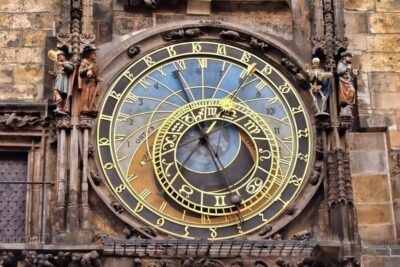
Old Town and Jewish Quarter Guided Tour in German
Read our review →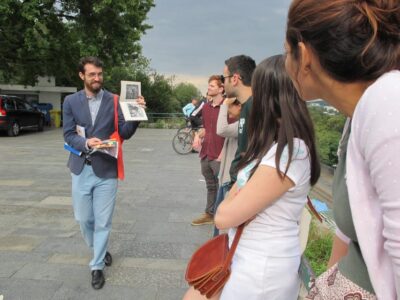
Old Town and Jewish Quarter Guided Walking Tour
Read our review →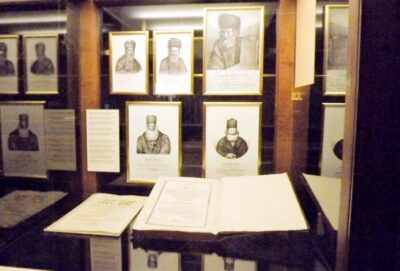
Jewish Quarter Ticket with optional Audio Guide
Read our review →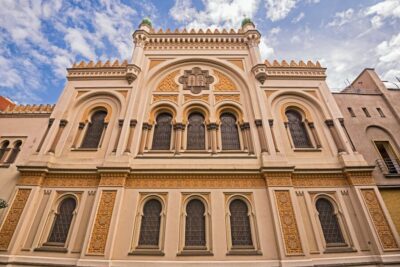
Prague’s TOP Sights – Old Town, Jewish Quarter, Charles Bridge (Tip-based tour)
Read our review →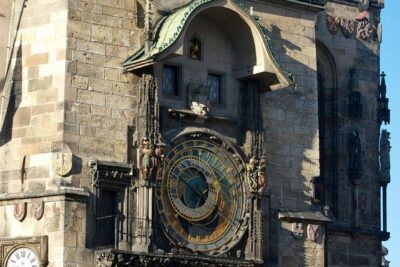
Prague Old Town New Town and Jewish Quarter Morning Tour
Read our review →Iconic Prague Tour Old Town, Jewish Quarter and Charles Bridge
Read our review →Browse the lists this tour appears in