
Reviewed · TEREZIN & MEMORIAL SITE VISITS
Terezin concentration field excursion
Terezín packs history into one hard, important day. This 6-hour excursion connects key sites of Nazi-era persecution with a structured route and clear Spanish explanations. I especially like the way you get both context and on-site meaning, not just a checklist of places.
You’ll also appreciate the practical flow: transport from central Prague, guided museum time, and an organized walk that follows what prisoners experienced, starting at the administrative courtyard. One thing to keep in mind is that the material is emotionally heavy, so plan your energy, wear comfortable shoes, and expect a serious tone throughout.
In This Review
- Key points worth knowing before you go
- Terezín in 6 hours, what this excursion actually covers
- Meeting at V Celnici 4 and the 9:00 departure
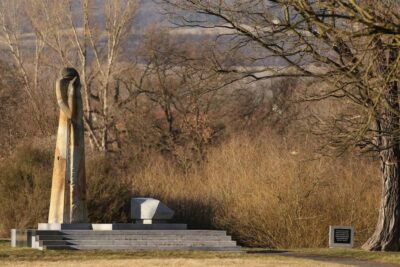
- The Anthropoid Operation monument stop before the fortresses
- Terezín Memorial and Ghetto Museum, where the visit gets personal
- Walking the memorial story: from city ghetto to national cemetery
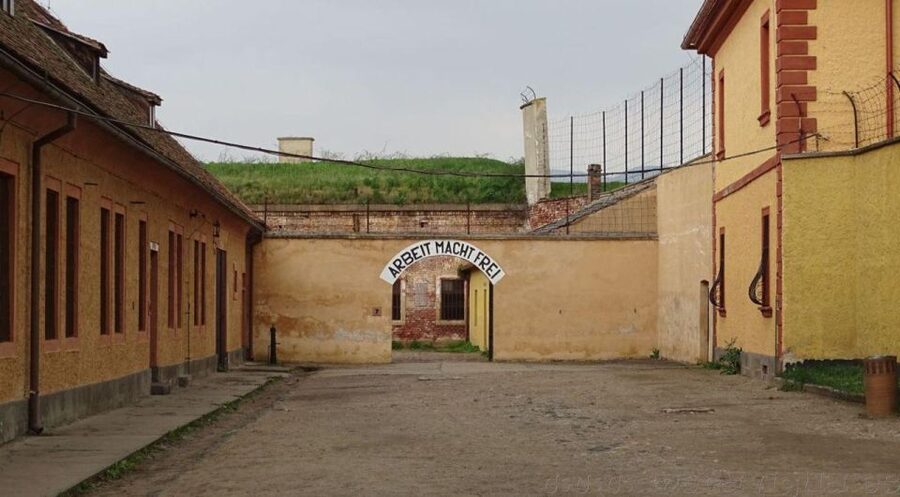
- Following the prisoners’ route: administrative courtyard to the Arbeit Macht Frei area
- Prisoner areas and Casematas de la Fortaleza, why the architecture matters
- Residential area time and the broader meaning of the route
- Main fortress versus small fortress: understanding the ghetto and the Lecca resistance angle
- The guide is the product: Spanish commentary that stays respectful
- Price and value: is $68 fair for 6 hours?
- Who should book this tour, and who should think twice
- Should you book this Terezín concentration field excursion?
- FAQ
- What is the price and duration of the Terezín excursion?
- Where does the tour start?
- What time does the tour depart?
- Is the tour guided, and what language is it in?
- What is included in the $68 price?
- Is the tour wheelchair accessible, and are pets allowed?
Key points worth knowing before you go
- A guided route with meaning, including the path from administration to prisoner areas, so you understand what you are seeing.
- Main fortress focus on the ghetto, with the memorial’s educational mission shaping the visit.
- Small fortress tied to Lecca resistance, so you see more than just the camps.
- Museum time that centers names and facts, not only architecture and dates.
- Clear, respectful Spanish guiding, including commentary praised for being understandable and sensitive.
- Includes round-trip transport and entry tickets, which makes the $68 price feel more like a full package than a basic ticket.
Terezín in 6 hours, what this excursion actually covers
This is a memorial-based visit, designed to commemorate victims of Nazi political and racial persecution during the occupation of Czech lands in World War II. The program is run by the Terezín Memorial, described as the only institution of its class in the Czech Republic. That matters because the goal is education and remembrance, not entertainment.
The tour is built around multiple connected sites inside Terezín, including the ghetto area and the concentration camp route. You spend time in a museum, stop at memorial points, and walk through parts of the fortresses that shaped daily life and imprisonment. The experience moves in a sequence, so the day feels like a guided story rather than disconnected attractions.
Meeting at V Celnici 4 and the 9:00 departure
The day starts with a meeting point at V Celnici 4. You depart at 9:00 in the morning, and the first travel segment continues for almost an hour before reaching the main fortress. I like this structure because it gives the guide time to set the context before you arrive at the memorial sites.
During the journey, you receive historical and technical details that connect directly to what you will see later. That is a big value add, because walking around without context can feel confusing, or worse, like you are just taking photos. Here, you get enough background to recognize what matters while you are standing in the places where it happened.
Other visits to the Terezin memorial site:
- From Prague: Terezin Concentration Camp Tour
★ 3.7 · 573 reviews - Terezin Memorial: Entry Ticket Combo w. Guided Walking Tour
★ 4.0 · 77 reviews - Terezin: Guided Tour of the Concentration Camp and Museum
★ 4.3 · 54 reviews
The Anthropoid Operation monument stop before the fortresses
On the way, the group passes the monument to the Anthropoid Operation. It is a short stop, but it sets a clear emotional and historical tone before you enter Terezín’s story. I find that early framing helps you handle the visit with the right mindset.
After the transfer, you will begin the approach to Terezín and the fortresses. The guide connects what you see on the ground to the larger Nazi system operating in the region. If you are the type who likes to understand the “why” before the “where,” this initial setup is a strong start.
Terezín Memorial and Ghetto Museum, where the visit gets personal
Once you reach the site, the tour includes a photo stop, museum time, and a guided visit at the Terezín Memorial – Ghetto Museum. The museum focus is on names, facts, and ways of understanding what happened. That approach is one of the most important parts of the day because it prevents the story from becoming abstract.
The tour description emphasizes the memorial’s educational mission, and you feel that in the way the information is presented. You are not only shown rooms and walls. You are guided toward remembering victims of Nazi political and racial persecution, with attention to how the persecution functioned in practice.
One practical tip for your comfort: expect to spend time looking closely, reading labels, and listening. So bring glasses if you need them, and plan to slow down rather than rushing through the museum portion.
Walking the memorial story: from city ghetto to national cemetery
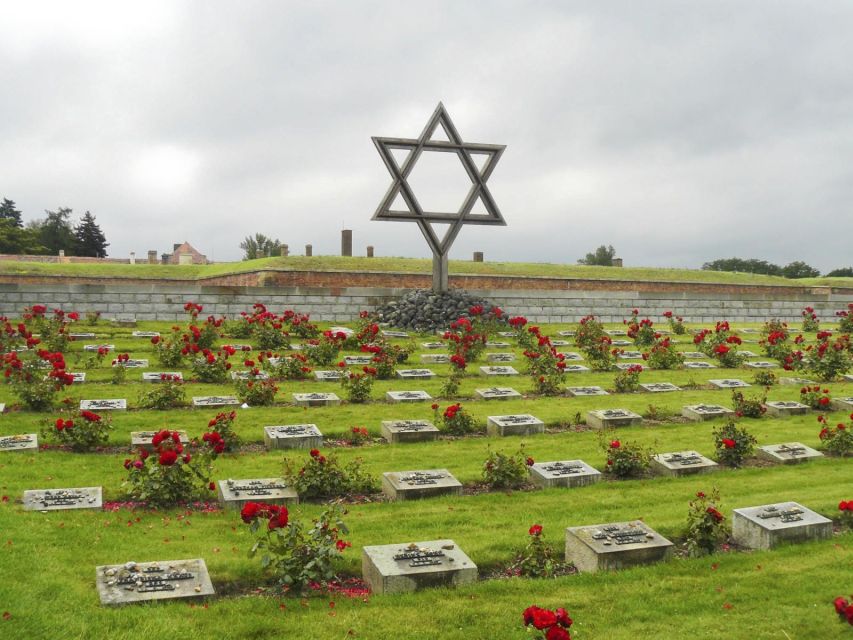
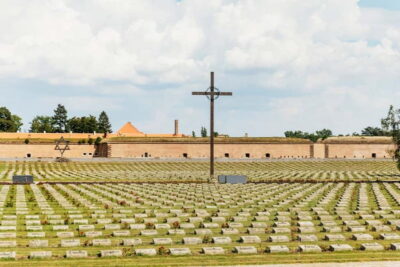
After the museum segment, the tour continues toward the national cemetery. The guide explains the differences between a ghetto and a field, which is a key idea to grasp before you move deeper into the camp-route areas.
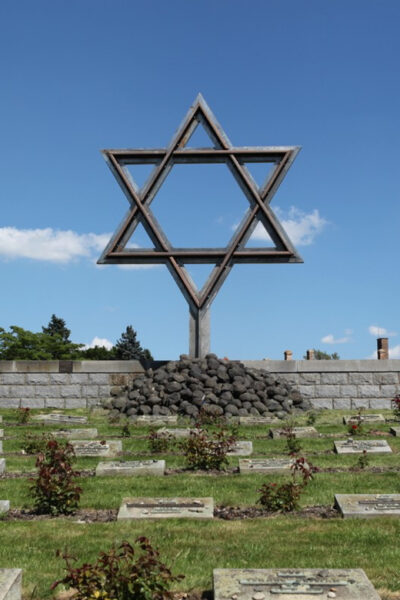
You also visit the cemetery complex, where you listen to figures, motives, and methods. This is less about sightseeing and more about understanding how systems of persecution were structured and enforced. In other words, you are learning how the Nazi apparatus worked, not only seeing where it happened.
Then you continue on the route aligned with prisoners’ movement, starting in the administrative courtyard. I appreciate this because it turns the visit into a guided sequence of decisions and constraints, rather than a random tour of “interesting” locations.
Following the prisoners’ route: administrative courtyard to the Arbeit Macht Frei area
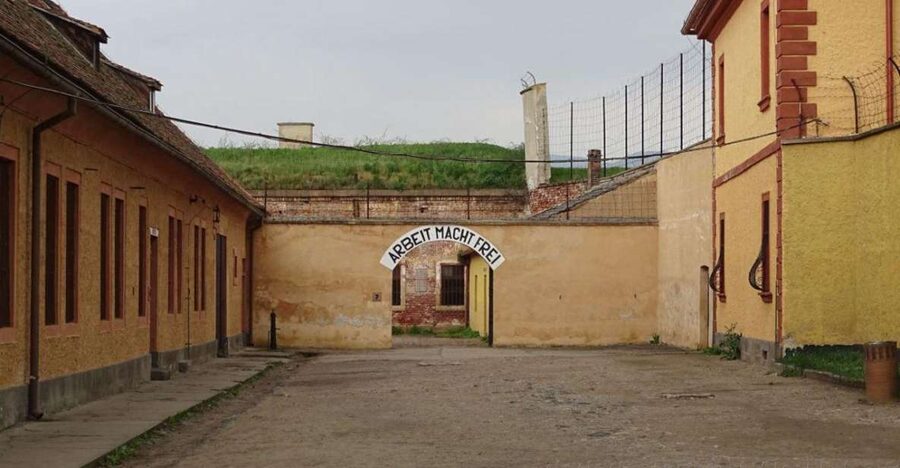
One of the most powerful aspects of this excursion is that you visit the concentration camp following the same route prisoners followed. The tour starts this sequence in the administrative courtyard, and the guide brings the story to life with explanations that connect to what you see.
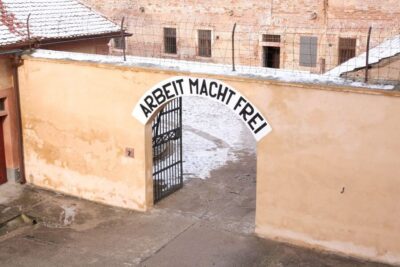
At the next turning point, you reach the area associated with Arbeit Macht Frei. The tour then leads you toward prisoner areas, continuing the movement pattern as described in the program. This is not a light walk. It is guided, structured walking that keeps the focus on the experience and the system, not spectacle.
If you need a practical planning note, it is this: this part of the day is where attention really matters. You will get the most out of the visit if you stay with the guide and avoid spacing out for long photo breaks.
Prisoner areas and Casematas de la Fortaleza, why the architecture matters
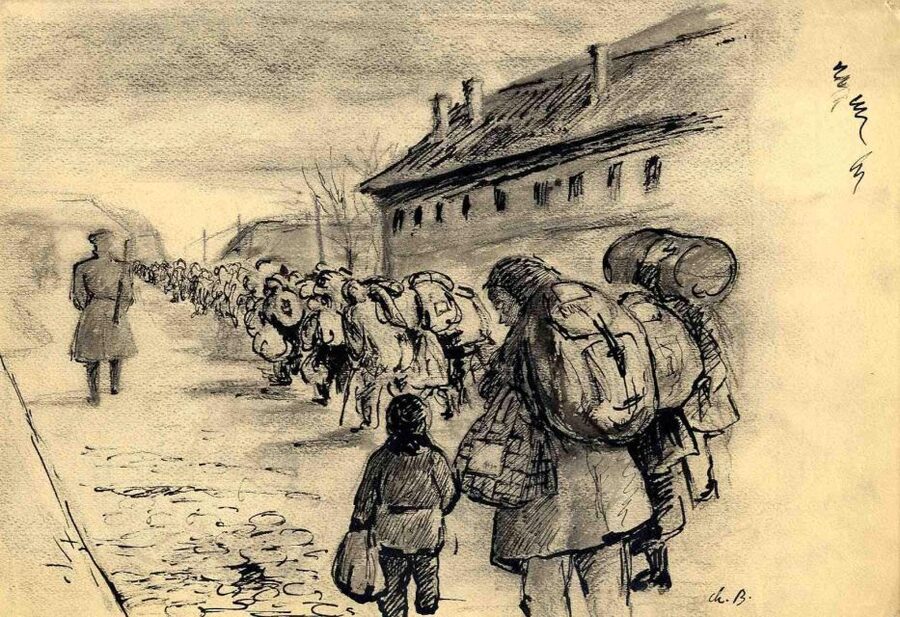
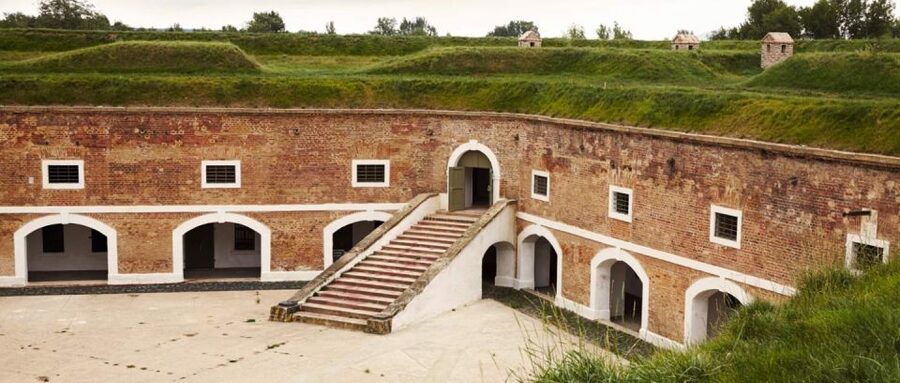
As the route continues, you pass through the Casamatas de la Fortaleza and reach the shooting field. The tour description includes these as distinct parts of the experience, meaning you are meant to understand why each space fits into the story.
It is also where architecture becomes more than scenery. Fortified spaces, enclosed areas, and the movement between them can help you picture how control, confinement, and violence were enabled. The guide’s historical and technical details during the ride earlier in the day are meant to prepare your brain for this kind of interpretation on site.
I like that the tour does not leave you with vague impressions. You are shown specific areas and given explanations that connect the physical setting to what happened there.
Residential area time and the broader meaning of the route
The program continues beyond the shooting field into part of the residential area. That final shift matters because it expands the visit from imprisonment and death to the wider reality of life shaped by persecution.
The overall pattern makes the day feel coherent. You start with memorial education, move into ghetto and camp routes, and then end with a view of residential space within the larger system. If you want one grounded takeaway, it is that Terezín was not only a place of punishment. It was also a place organized to control people in daily life.
Main fortress versus small fortress: understanding the ghetto and the Lecca resistance angle
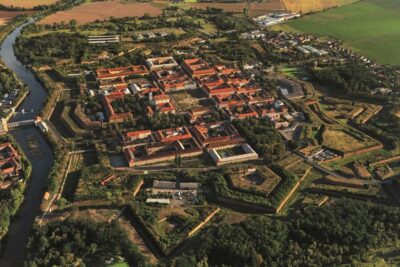
The tour’s highlights emphasize two different fortifications and their roles. The great fortress is described as the Jewish ghetto, while the small fortress is tied to the field of Lecca resistance. That pair is a valuable framing because it shows how Terezín’s story includes both forced confinement and resistance activity.
Even if your pace differs from day to day, you’ll want to listen for how the guide distinguishes the roles of the spaces. That distinction helps you avoid a one-note understanding of the site. You come away seeing a spectrum of Nazi-era realities: persecution, survival under coercion, and the presence of resistance.
The guide is the product: Spanish commentary that stays respectful
This kind of tour stands or falls on tone. The guide service is live, and the language is Spanish. In the reviews, a guide named Eric received praise for being clear and respectful when explaining daily life and the use of Terezín as a concentration space.
That matters for you because the visit involves suffering and oppression, and you want an explanation that feels steady and humane. A good guide also helps you connect details you might otherwise miss, especially when you are moving through multiple sites in sequence.
If you only speak a little Spanish, don’t panic. The structure and signage usually give you enough anchors. But if you can follow the guide fully, you’ll get much more out of the museum and cemetery portions.
Price and value: is $68 fair for 6 hours?
At $68 per person for a 6-hour excursion, the value comes from what is included: guide service, round trip transportation, and entries in the facilities. For this kind of site, those inclusions reduce the hassle of figuring out transit and ticketing on your own.
You are also buying something less measurable: an organized narrative. Because you follow a guided route connected to prisoners’ movement and get context while traveling, the time feels purposeful. This is the difference between “seeing places” and understanding what they mean.
If your main goal is a fast museum-style overview, you might find the day heavy for the price. But if you want a guided, structured introduction that respects the memorial’s mission, this package feels like a solid deal.
Who should book this tour, and who should think twice
This excursion is ideal if you want a guided route that ties together the ghetto and concentration camp experience in one serious visit. It also suits you if you like explanations that connect history to physical spaces, including the differences between ghetto and field concepts.
You should think twice if you are looking for a casual, cheerful day trip. The tour’s theme is remembrance of persecution and death, so your experience will be emotionally intense. Come with a plan to take breaks, and give yourself time afterward to decompress.
Finally, since pets are not allowed, you’ll want alternative arrangements if you travel with animals. And because the tour is wheelchair accessible, it is designed to be reachable for mobility needs, which is a real practical benefit.
Should you book this Terezín concentration field excursion?
Book it if you want a clear, respectful, guided visit with transport and entry tickets included, and if you want the experience organized around a meaningful path through the site. The combination of the Ghetto Museum, the educational cemetery moments, and the route through prisoner-related areas is exactly what makes this tour worth doing rather than attempting solo.
Skip or delay if you are not emotionally ready for heavy content. Also, if you prefer total freedom to wander without guidance, note that the tour is a structured itinerary with guided commentary throughout.
If you’re in Prague and want an educational memorial day that takes you beyond surface photos, this is a strong choice.
FAQ
What is the price and duration of the Terezín excursion?
The price is $68 per person, and the duration is 6 hours.
Where does the tour start?
The meeting point is V Celnici 4.
What time does the tour depart?
The itinerary begins at 9:00 in the morning.
Is the tour guided, and what language is it in?
Yes. It includes a live tour guide, and the tour language is Spanish.
What is included in the $68 price?
The package includes guide service, round trip transportation, and entries in the facilities.
Is the tour wheelchair accessible, and are pets allowed?
It is wheelchair accessible. Pets are not allowed.
Newly posted under the arches of Terezin
Terezin & Memorial Site Visits, compared.
Terezin Concentration Camp Guided Tour w/ Audio
Read our review →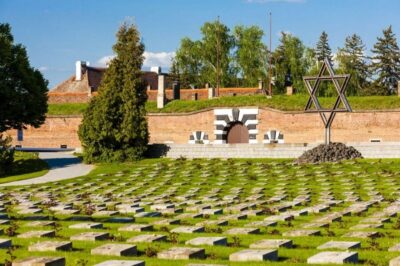
Terezin Concentration Camp Day Tour from Prague
Read our review →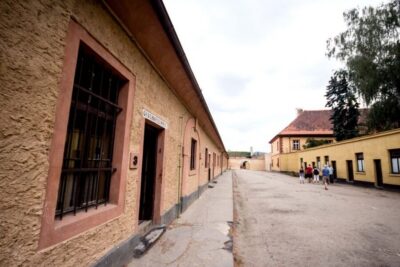
Terezin & Bohemian Switzerland from Prague: Bastei, Narnia & Café
Read our review →
Browse the lists this tour appears in