
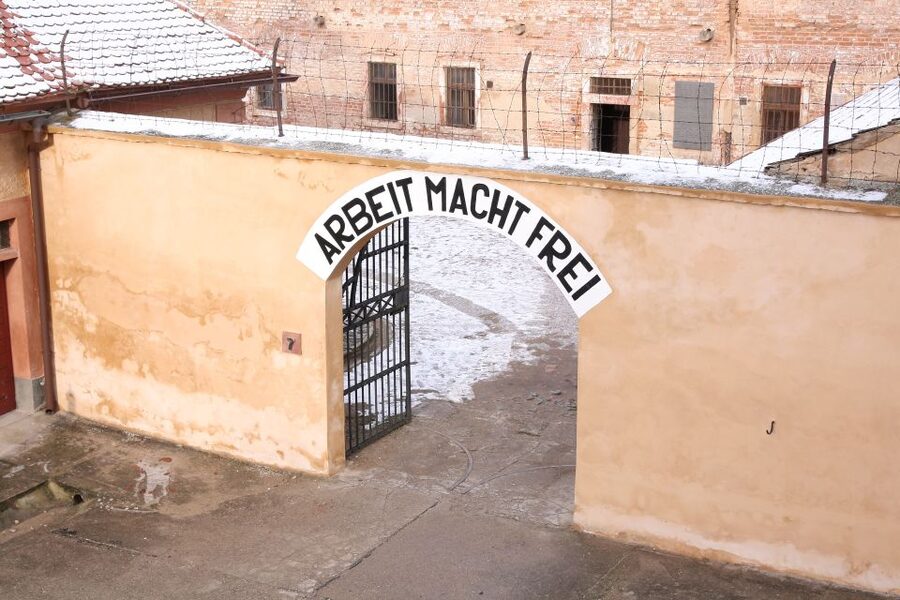
Reviewed · TEREZIN & MEMORIAL SITE VISITS
Terezin Memorial: Entry Ticket Combo w. Guided Walking Tour
Terezín makes history walkable. This ticket combo connects the Small Fortress prison of the Prague Gestapo with the Ghetto Museum exhibits, so you can understand how the Nazis ran the machinery of persecution. I like having a local English-speaking guide for the hardest-to-grasp political prison story, and I like the chance to move at your own pace through the Ghetto Museum, including the memorial hall of children and their drawings. The main drawback is that only the Small Fortress is guided, so if you show up rushed you may miss the threads that a guide would tie together.
Start at the Small Fortress ticket office, meet your guide outside, then plan for a 1 km stroll to the ghetto on your own. The guided part runs about 60 minutes, but you will want extra time after that because the ghetto area is where you will do most of the reading, remembering, and quiet exploring.
In This Review
- Key things to know before you go
- Why this combo works: three sites, one storyline
- Small Fortress guided tour: the Prague Gestapo prison, made clear
- What the guided visit focuses on
- If you miss the guided time
- Walking to the ghetto: a short move with big meaning
- How I’d plan your steps
- Getting there by bus or car
- Ghetto Museum on your own: Terezín in the Final Solution, 1941-1945
- What to look for in the permanent exhibition
- Memorial Hall of the Terezín Ghetto’s Children
- Magdeburg Barracks: offices, apartments, and the uncomfortable mix of control and culture
- The barracks also hosted cultural and religious life
- The crematorium area and cemetery options near the ghetto
- Time and pacing: how long you really need
- Price and value: what you get for $18
- Who should book this, and who might not
- Should you book this Terezín Memorial ticket combo?
- FAQ
- Where do I meet the tour guide?
- How long is the guided part?
- Is there a guide in the Ghetto Museum or Magdeburg Barracks?
- How far is it to walk between the Small Fortress and the Ghetto Museum?
- What should I budget for time at each area?
- What if I miss the guided tour time?
Key things to know before you go
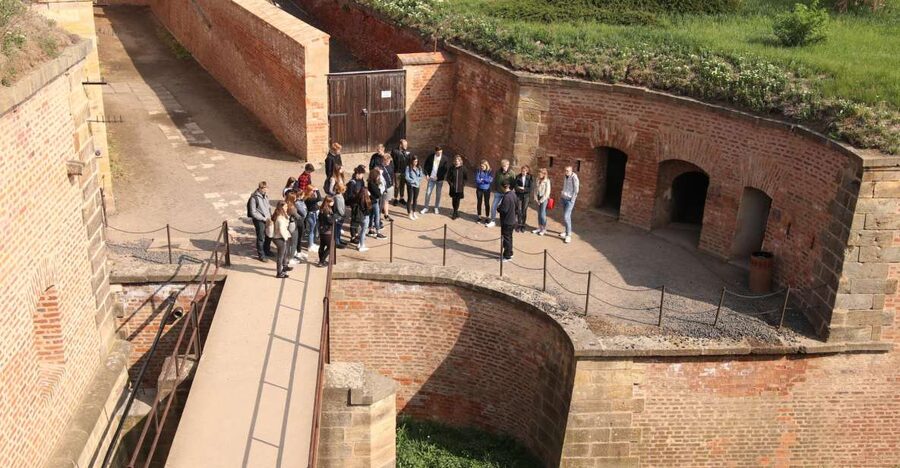
- Prague Gestapo prison setting: The Small Fortress served as a prison from 1940 to 1945.
- A guided launch, then independence: Guided tour is only in the Small Fortress, while the Ghetto Museum and barracks are self-paced.
- Exhibits built for understanding: The political-prison permanent exhibition focuses on persecution of Czechs and transfers to other camps.
- Children’s Memorial Hall: You’ll see a dedicated space for the youngest victims, plus children’s drawings from the ghetto.
- Magdeburg Barracks in the middle of the system: These buildings housed Jewish self-administration offices and also hosted cultural and religious life.
- Good planning beats rushing: You should budget about 1.5 hours at the Small Fortress and at least 2 hours for the ghetto area.
Why this combo works: three sites, one storyline
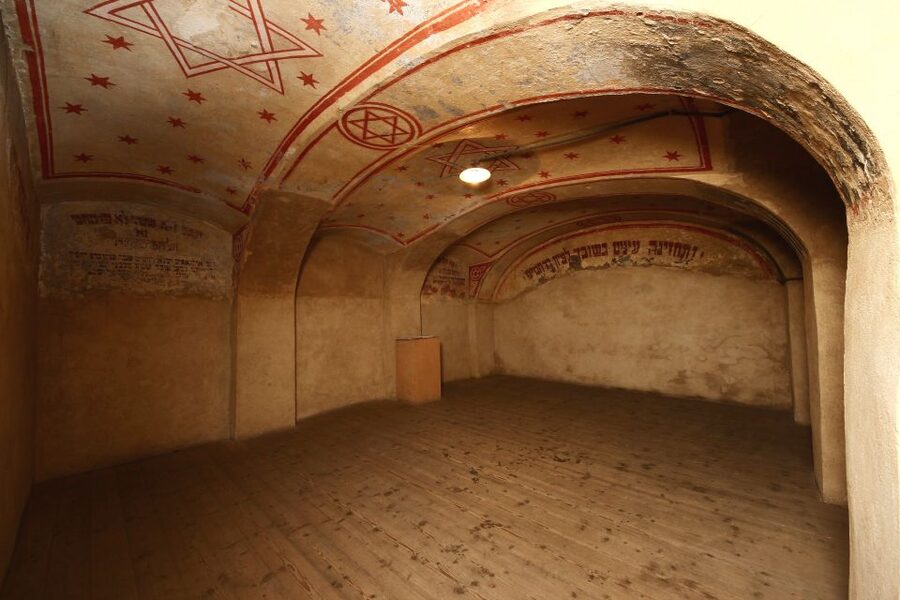
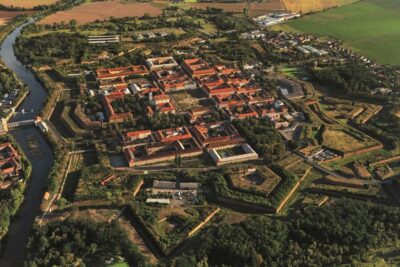
Terezín is not one museum stop. It is a whole former complex where different buildings played different roles during WWII. What makes this combo smart is that it gives you a guided starting point in the Small Fortress, then lets you absorb the rest of the story on your own at the ghetto sites.
I like the structure because it mirrors how you should process it: first you get the historical frame, then you walk through the places where you can take your time. The Small Fortress sets the tone and timeline, while the Ghetto Museum and Magdeburg Barracks let you sit with details you can’t really rush.
And yes, the material is heavy. That is exactly why the pacing matters. A local guide at the start helps you avoid the feeling of walking through rooms without context.
Small Fortress guided tour: the Prague Gestapo prison, made clear
Your experience begins outside the ticket office at the Small Fortress, where you meet your English-speaking guide. This guided portion is about 60 minutes, and it is the only guided part included.
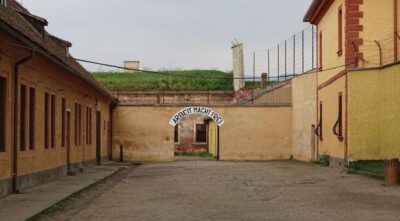
You’ll be in the former military complex that later functioned as a prison. From 1940 to 1945, the Small Fortress served as the prison of the Prague Gestapo. That matters because it changes how you read the spaces. You are not just looking at “a camp building.” You are trying to understand the system of interrogation, imprisonment, and political persecution.
Other visits to the Terezin memorial site:
- From Prague: Terezin Concentration Camp Tour
★ 3.7 · 573 reviews - Terezin: Guided Tour of the Concentration Camp and Museum
★ 4.3 · 54 reviews - Terezin concentration field excursion
★ 4.9 · 7 reviews
What the guided visit focuses on
The centerpiece is the permanent exhibition devoted to the history of the political prison. Expect explanations that connect the persecution of the Czech nation under Nazi rule to the fates of prisoners who were later transferred to other concentration camps within the Nazi German Reich. The exhibition is built to help you follow causes and consequences, not just names and dates.
One practical tip: the route inside the Small Fortress can be easier to manage if you pace yourself, but if you are short on time you might skip key stops. At least one person noted that they did not reach a later stop labeled as number 6, connected with Danish Jews. If you care about that part of the story, build in enough time so you do not “win” by rushing past the details.
If you miss the guided time
If you miss the guided tour, the ticket can still be used for a self-guided visit through the Small Fortress anytime during opening hours. That is a useful safety net, especially if you are trying to coordinate bus timing or you are running late.
Walking to the ghetto: a short move with big meaning
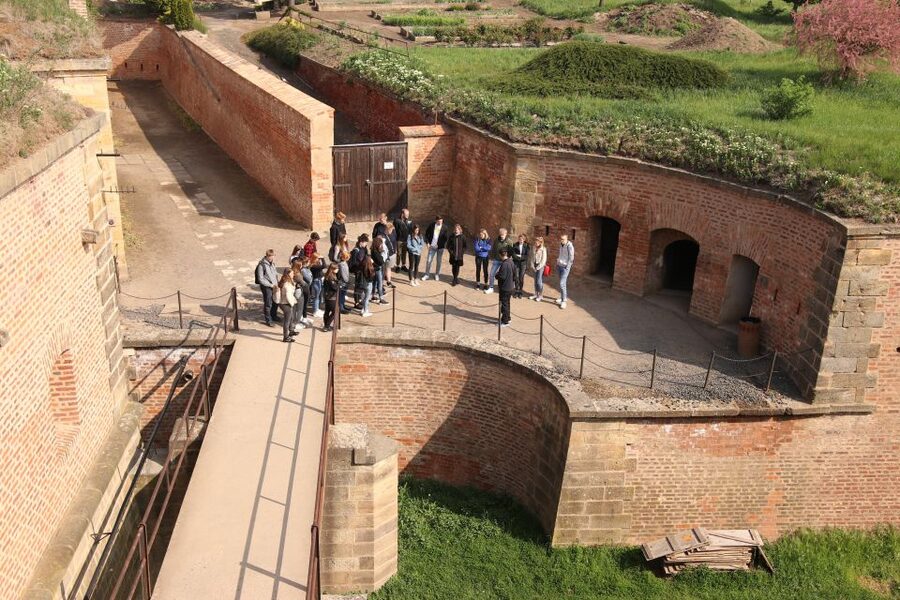
After the Small Fortress, you make your own way to the former Terezin Ghetto. This part is not included by transport, but it is easy to plan.
The distance is about 1 km, roughly a 15-minute walk. That short transfer is useful because it helps you mentally transition from one function of the complex to another. In practical terms, it also means you can keep the flow of your day without needing tickets for taxis or public transport.
How I’d plan your steps
- Wear shoes you are comfortable standing in, because you will likely spend time stopping, reading, and looking.
- Give yourself a little buffer after the 60-minute tour. Even if you walk fast, you may want a few minutes to reset before you start the self-paced museum portion.
- If weather is bad, check whether indoor sections are frequent enough to keep you comfortable. (The sites are historical grounds, so plan accordingly.)
Getting there by bus or car
If you travel by bus, there are two bus stops in Terezín: one near the former ghetto square and one in front of the Small Fortress. If you drive, there is parking in front of the Small Fortress, and in the ghetto you can park on the square for free. That simple setup makes this area easier than some memorials that feel remote and hard to reach.
Ghetto Museum on your own: Terezín in the Final Solution, 1941-1945
Once you arrive in the ghetto area, you enter the Ghetto Museum on your own. There is no guide here, and that is the tradeoff. The good news is that self-paced means you can spend longer on what hits you, and move quickly past what you already know.
The Ghetto Museum is in the former municipal school. That location is meaningful because it turns an everyday building type into a place where documentation and memory take over. The permanent exhibition is titled Terezín in the Final Solution, 1941-1945, and it focuses on the period when the ghetto’s role in Nazi policy becomes most visible.
What to look for in the permanent exhibition
This is not just a timeline. The exhibit is organized to show how the ghetto fit into the broader Nazi system, and it documents what happened to people there. You can expect the museum to rely on photographs, written evidence, and interpretive context, so reading time is real time.
If you tend to skim museums, slow down here. The museum is doing serious work of connecting events to human outcomes. Let the material set the pace rather than your phone.
Memorial Hall of the Terezín Ghetto’s Children
The memorial hall for the ghetto’s children is one of the most important parts of the museum visit. You also see a selection of drawings made by children from the ghetto.
This is a place where you might want to linger, because it shifts you from institutional history to personal perspective. Even if you only spend a few minutes here, it changes the texture of the visit.
Magdeburg Barracks: offices, apartments, and the uncomfortable mix of control and culture
Next, you head to the Magdeburg Barracks. You enter it on your own, with no guide provided in this area.
The barracks were established in Terezín on November 24, 1941. After the Nazi occupation of the Czech lands, the Magdeburg Barracks became a major functional site within the ghetto. It housed offices connected to the ghetto’s Jewish self-administration, and it also included flats of some of the leading officeholders.
That detail is important. It can be tempting to think of camp life as only one layer of cruelty. Here, the history shows how Nazi control worked through administration, paperwork, and even internal governance structures. It is an uncomfortable concept, but you will understand it better by seeing the spaces where decisions and daily operations happened.
The barracks also hosted cultural and religious life
The same buildings were also known for major cultural events, divine services, lectures, and meetings. Yes, both things were happening in the same place, and yes, that contrast is part of the historical record.
If you visit with an open mind, the Magdeburg Barracks is where you start understanding the ghetto as a system under extreme oppression, not just a set of cages. You will likely read about how community life continued under impossible conditions.
The crematorium area and cemetery options near the ghetto
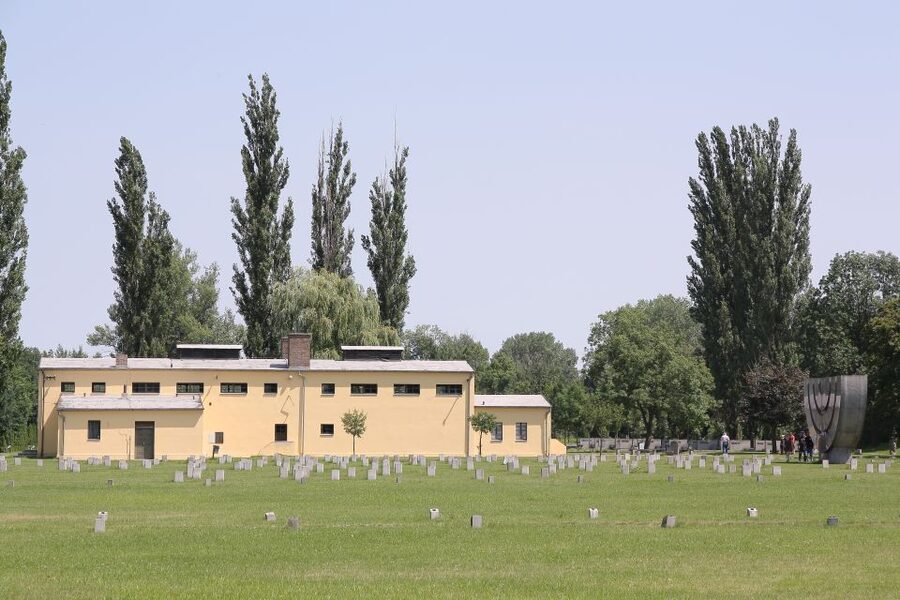
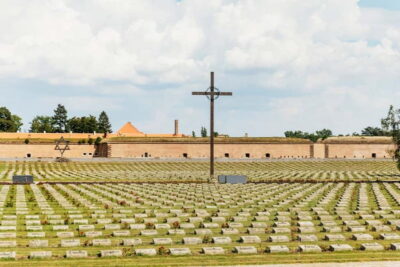
If you want to extend the visit, there are additional historical sites nearby. The crematorium, Terezín Jewish Cemetery, and Columbarium are about 0.5 km by walk from the Terezín Ghetto, and about 1.5 km from the Small Fortress.
Whether you add these depends on how much time you have and how you feel. For many people, this part of the day becomes the emotional finish line. If you have limited energy, it is also okay to focus on the three main included sites, then stop.
Time and pacing: how long you really need
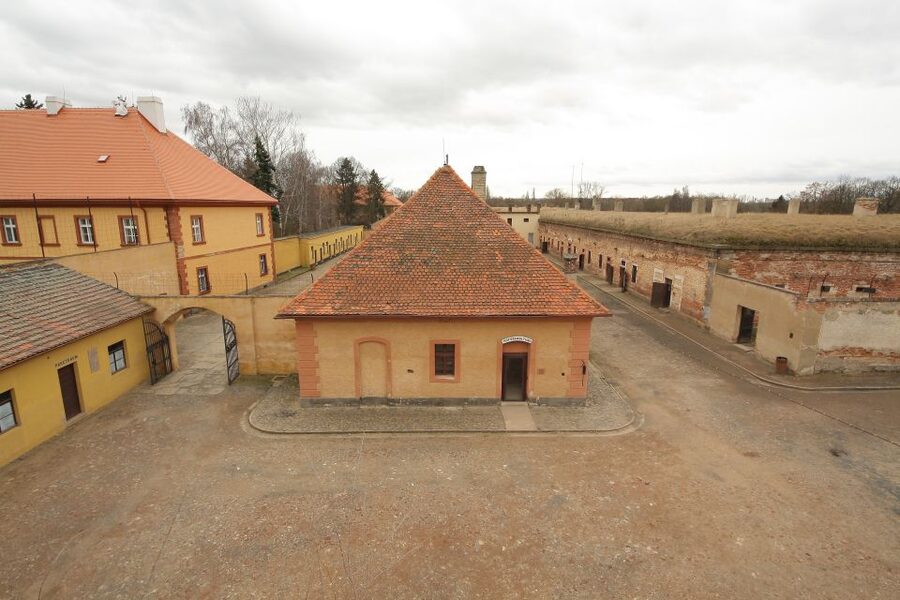
This is one of those places where “I’ll just do it quickly” can backfire. The Small Fortress guided tour is about 60 minutes, but you should plan longer because you will want time to walk, read, and absorb.
A practical schedule looks like this:
- 1.5 hours at the Small Fortress total, including the guided tour and any extra time in rooms you want to revisit.
- At least 2 hours for the former ghetto area, including the Ghetto Museum and Magdeburg Barracks.
One reason I recommend that is simple: only the Small Fortress is guided. If you treat the ghetto museums like quick stopovers, you will end up with a surface-level understanding, and you deserve more than that.
Price and value: what you get for $18
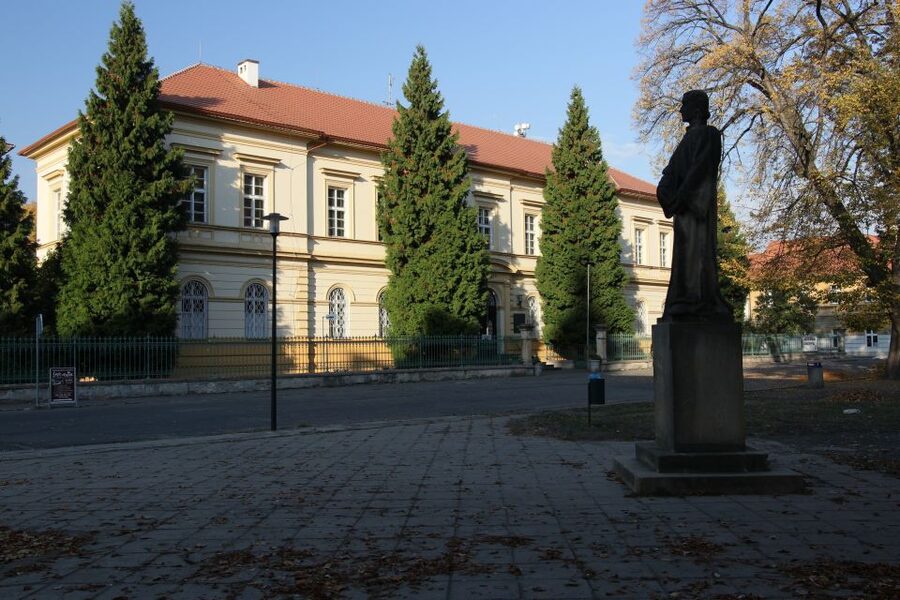
At $18 per person, this ticket combo is priced in a way that feels fair for what you receive. You get:
- Entry to the Small Fortress with a local English-speaking guide (about 60 minutes).
- Entry to the Ghetto Museum (self-paced).
- Entry to Magdeburg Barracks (self-paced).
The value comes from that mix of guided context and independent time. The guide helps you interpret the most complex setting first, and then you use your own pace for the memorial and documentation spaces. If you were to skip the guided portion, you would likely spend more effort trying to piece together the bigger narrative while you are standing in the buildings.
Also, because you walk between sites and don’t need extra transport tickets included, the day stays straightforward.
Who should book this, and who might not
I think this combo is best for people who:
- Want a guided start for historical context, then prefer to explore at their own pace.
- Are comfortable reading museum content carefully, especially in the Ghetto Museum.
- Plan their time so they do not feel forced to rush through memory spaces.
It might be less ideal if you:
- Strongly prefer guided interpretation throughout the entire visit.
- Have very limited time and cannot budget at least several hours.
- Get uncomfortable with self-guided spaces where you are expected to read and reflect without live explanations.
Should you book this Terezín Memorial ticket combo?
Yes, if you want the best balance of context and on-your-own time. The guided tour in the Small Fortress gives you the kind of orientation that makes the rest of the day easier to understand. Then the Ghetto Museum and Magdeburg Barracks let you slow down where it matters most, especially in the children’s memorial area.
If you are the type who usually rushes through museums, book it only if you can follow through on pacing. Build in that extra time, start on time at the Small Fortress, and give yourself permission to pause.
FAQ
Where do I meet the tour guide?
You should show your voucher at the ticket office, and you start the tour at the Small Fortress outside the ticket office where you meet your guide.
How long is the guided part?
The guided tour included with this ticket is in the Small Fortress and takes about 60 minutes.
Is there a guide in the Ghetto Museum or Magdeburg Barracks?
No. You enter the Ghetto Museum and Magdeburg Barracks on your own, and there is no guiding service provided there.
How far is it to walk between the Small Fortress and the Ghetto Museum?
It is about 1 km, roughly a 15-minute walk.
What should I budget for time at each area?
Plan for about 1.5 hours for the Small Fortress and at least 2 hours for the visit of the former ghetto.
What if I miss the guided tour time?
If you miss the guided tour, the ticket can still be used for a self-guided visit through the Small Fortress during opening hours.
Lanes at Street Level
- Prague: 3-Hour Walking Tour of Old Town & Prague Castle★ 4.7 · 5,696 reviews
- Prague: Ghost Walking Tour Where Legends Come To Life★ 4.4 · 5,253 reviews
- Prague: Jewish Quarter Walking Tour with Admission Tickets★ 4.7 · 3,729 reviews
- Prague Guided Walking Tour and Cruise with Authentic Czech Lunch★ 5.0 · 3,627 reviews
Newly posted under the arches of Terezin
Terezin & Memorial Site Visits, compared.
Terezin Concentration Camp Guided Tour w/ Audio
Read our review →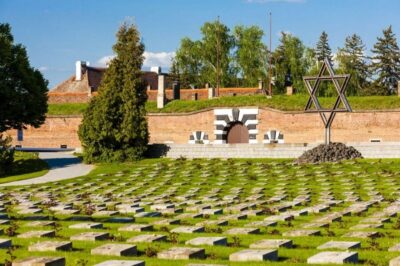
Terezin Concentration Camp Day Tour from Prague
Read our review →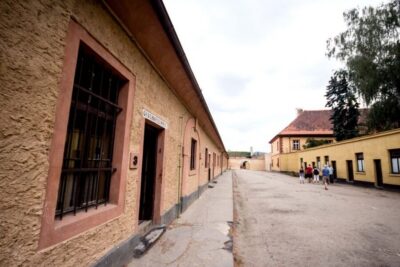
Terezin & Bohemian Switzerland from Prague: Bastei, Narnia & Café
Read our review →
Browse the lists this tour appears in