
Reviewed · MUSEUMS
Prague: 1.5-Hour Chocolate Museum Visit with Workshop
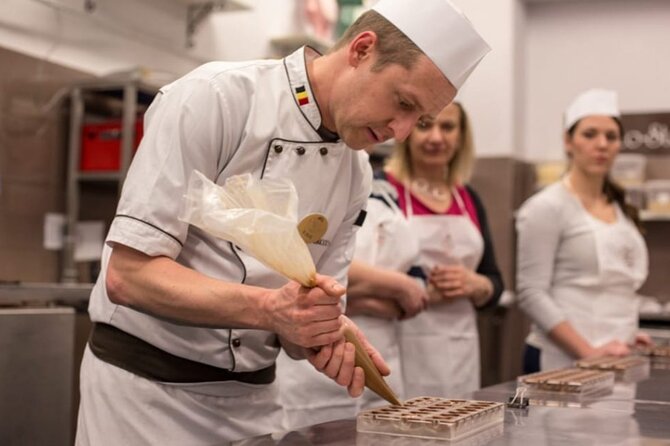
Prague does sweet learning better than most cities. At Choco-Story Prague Chocolate Museum, you do a guided museum visit with an included audio guide, then get hands-on time making your own personalized chocolate tablets. It is quick, practical, and built for people who want flavor plus context, not just pretty displays.
I love that the experience mixes stories and taste, including how cocoa moved from ancient Mesoamerican cultures to Europe. I also like the live praline production moment and the multiple tastings, so the history does not stay stuck in exhibits. One watch-out: the museum part is small, and the workshop tends to be the main event, so if you expect a big, long, guided tour, you may want to adjust your expectations.
In This Review
- Key things I think you’ll enjoy most
- Entering Choco-Story Prague, a chocolate museum that fits into real plans
- What the exhibits cover, cocoa’s journey from Mesoamerica to Europe
- The chocolate-making workshop, from cocoa to your personalized tablets
- Live pralines making and why it feels like the real deal
- Chocolate tastings, how the flavors compare across the world
- Using the audio guide, moving through exhibits at your own pace
- Where the value really shows for $28 in 90 minutes
- Who should book this workshop, and who should think twice
- Booking checklist: how to choose the right slot
- Should you book Choco-Story Prague with the workshop?
- FAQ
- How long is the Choco-Story Prague chocolate museum visit with workshop?
- How much does it cost?
- What happens in the chocolate-making workshop?
- Is chocolate tasting included?
- Is there a shop where I can buy chocolates?
- What languages is the audio guide available in?
- Is the experience wheelchair accessible?
- Can I reserve now and pay later, and do I get free cancellation?
Key things I think you’ll enjoy most
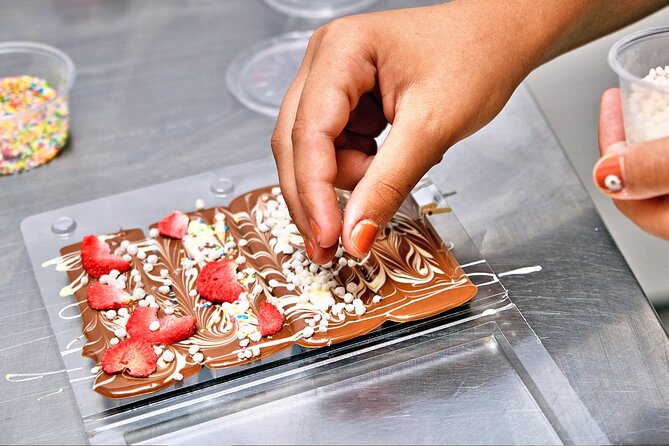
- Make your own chocolate tablets with help from a professional chocolatier, then take them with you
- Chocolate tastings during the visit, so you can compare styles and flavors
- Aztec and Maya customs and how cocoa’s story connects to Europe
- Live pralines production (including sweets like Belgian pralines) during the experience
- A museum format you can follow in multiple languages, thanks to the included audio guide (Czech, English, German, Russian)
Entering Choco-Story Prague, a chocolate museum that fits into real plans
Choco-Story Prague is right in the heart of Prague, which matters because you can tuck this into a full day without losing half your afternoon to travel. The whole experience runs about 90 minutes, so you are not stuck committing to a long block of time.
I also like the format. This is not the kind of museum that demands you sit and read everything end to end. Instead, you move through exhibits, use the included audio guide, and then you shift gears into the workshop where chocolate becomes very real, very fast.
One more thing that helps: at this size and duration, you can enjoy it even if you are traveling with mixed interests. Chocolate lovers get the hands-on payoff. History-curious people get the storyline of cocoa, its cultural role, and its journey into Europe.
What the exhibits cover, cocoa’s journey from Mesoamerica to Europe
The museum portion tells the story of chocolate in a way that feels more like storytelling than textbook facts. Expect clear explanations and exhibit content that focuses on how cocoa and chocolate changed meaning over time, from ancient use to European candy craft.
A standout theme is the coverage of Aztec and Maya customs. You get context for why cocoa mattered, how people used it, and how that broader cultural backdrop set the stage for chocolate as it later arrived in Europe. It gives the tasting and the making a deeper “why,” so you are not just learning the process, you are learning the background.
You will also see explanations of how cocoa transforms into finished chocolate. The museum includes illustrations, informative panels, and videos that show the culture of cocoa and its journey. In practice, this makes the workshop feel less random, because you understand what each step is trying to achieve.
If you are the type who likes at least some meaning behind what you eat, this is the part that tends to land best. It is not trying to replace a cultural tour of Prague. It is giving you a compact education about the food you are about to make and taste.
Also chalked up in Prague
- Prague: Traditional Chimney Cake (Trdelník) Making Workshop
★ 4.9 · 227 reviews - Prague: Choco-Story Chocolate Museum Entry with Tasting
★ 4.0 · 159 reviews - Prague: Choco Art Museum Ticket with Chocolate Making Class
★ 3.9 · 71 reviews
The chocolate-making workshop, from cocoa to your personalized tablets
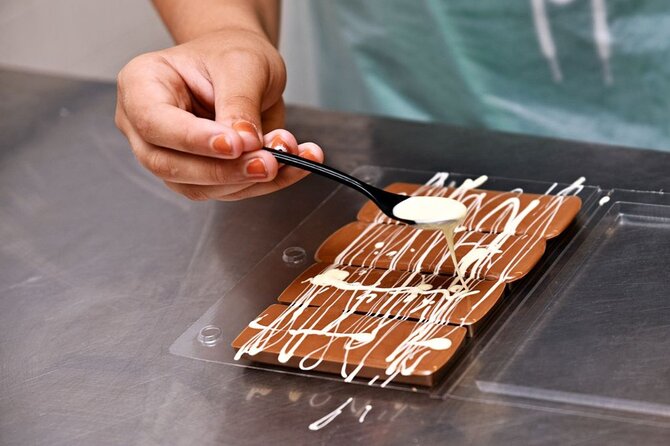
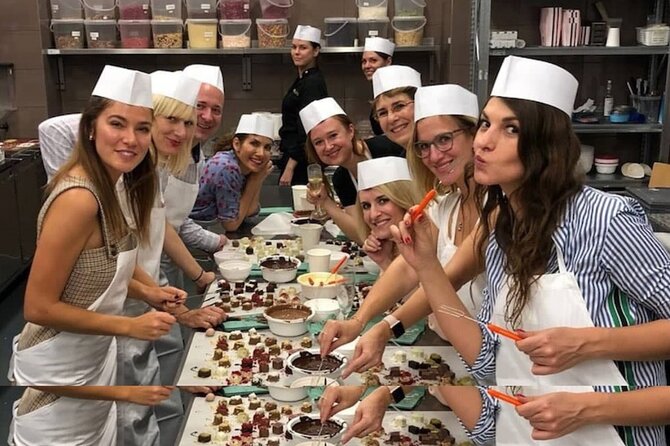
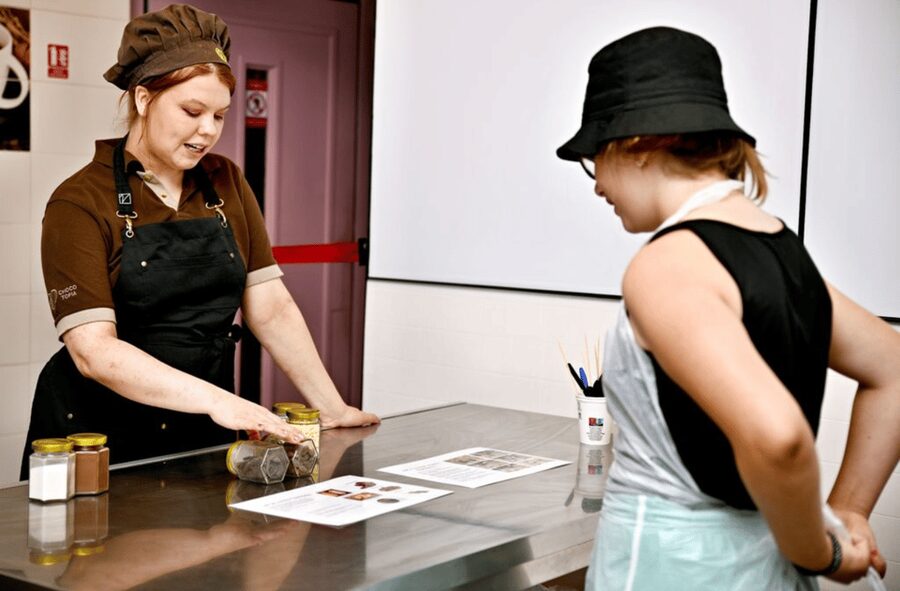
The workshop is the reason most people book. You get assisted by a professional chocolatier, and the goal is simple: you make your own personalized chocolate tablets.
What I like about the workshop style is the step-by-step handholding. Even if you have zero experience with tempering or chocolate work, you are not left to figure it out alone. You get guidance while you work, and the process is structured so you can focus on decisions like toppings and decoration rather than technical guesswork.
From recent participant experiences, the workshop often centers on creating multiple small bars or tablets, typically four decorated pieces that you can take home. That “take-home” part matters because it turns the visit into a souvenir you can actually eat, and it also lets you share your work with friends later.
A small detail that can change the mood of the whole activity: you may receive an apron during the session. It sounds minor, but it makes the experience feel more like a class than a quick demo.
One practical consideration: if you dislike hands-on activities or expect a lot of free time roaming the museum, plan to treat this as a workshop first, museum second. The best results come when you lean into the making part.
Live pralines making and why it feels like the real deal
At some point during the visit, you watch live production of sweets, including Belgian-style pralines. This matters more than it sounds. A tasting teaches you what chocolate can taste like, but a live demo shows you what chocolatiers do to make it consistent and appealing.
The live component also helps you connect the dots. When you see how pralines are prepared and shaped, it becomes easier to understand what you are doing in your own chocolate tablets. Even if you are not making pralines yourself here, you are seeing the craft side of chocolate.
From a value standpoint, this is one of the best uses of your 90 minutes. Instead of being told about chocolate, you watch part of the production. That keeps attention high and makes the session feel less like an exhibit pass-through.
Also, this is where people often realize the difference between chocolate as a treat and chocolate as a material. Its texture and finish depend on careful handling, and that shows up during the demo and the workshop.
More exhibition halls out of the rain:

Chocolate tastings, how the flavors compare across the world
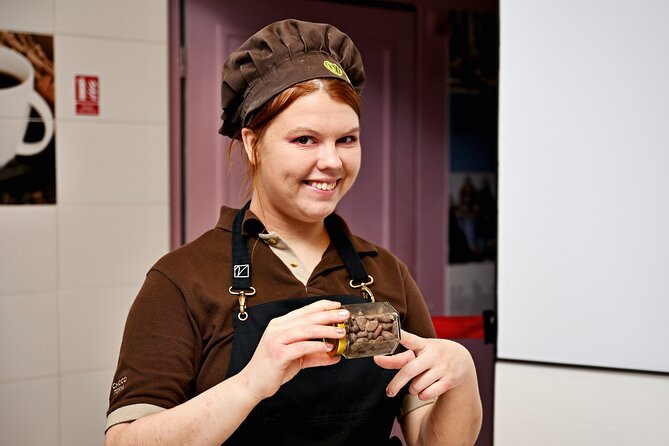
Tasting is built in, with multiple tastings throughout your visit and a chocolate tasting component you can spend time with. This is not just one small sample and done. The structure encourages you to compare.
You are set up to try different types of chocolate from different places. The goal is for you to notice differences in flavor and style, not just “this tastes good.” That comparison is where the whole experience clicks, because you start understanding chocolate as a spectrum rather than one uniform product.
I especially like that tastings happen alongside the history and the museum explanations. You learn what cocoa is and where it traveled, then you taste versions of chocolate that reflect different ways it has been processed and presented. It gives you a more complete picture than tasting alone.
One caution: bring an appetite for tasting, but do not expect a full meal. Plan this as an activity, not a snack. If you are visiting at a time when you are already very full, you might miss some of the nuance.
Using the audio guide, moving through exhibits at your own pace
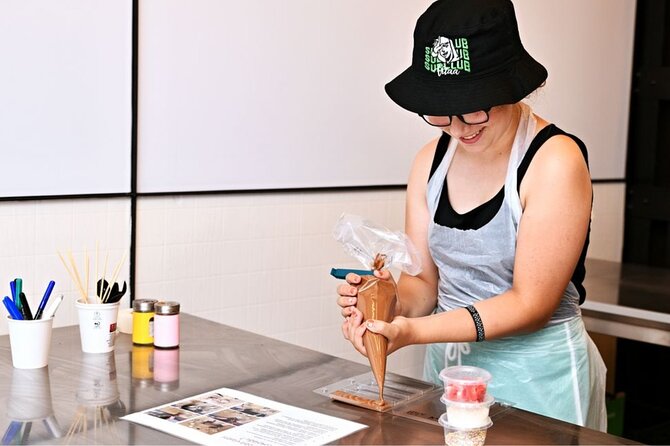
You get an audio guide included, available in Czech, English, German, and Russian. This is a big deal for international visitors, and it also helps if you prefer to control your pace.
In a museum this size, the audio guide does more than translate. It guides you through rooms and key points, so you spend less time wondering what to focus on. The exhibits include panels and videos, and the audio helps connect those visuals into one coherent story.
One practical tip: use the audio to decide what to prioritize. If you care more about history, focus on sections about cultural use and Europe’s chocolate shift. If you care more about technique, pay closer attention to parts that explain cocoa-to-chocolate transformation.
Also, keep your eyes open for additional visual elements in the museum. Some people mention photo-friendly displays and character figures like wax models, which can make the visit feel lighter without turning it into a gimmick.
Where the value really shows for $28 in 90 minutes
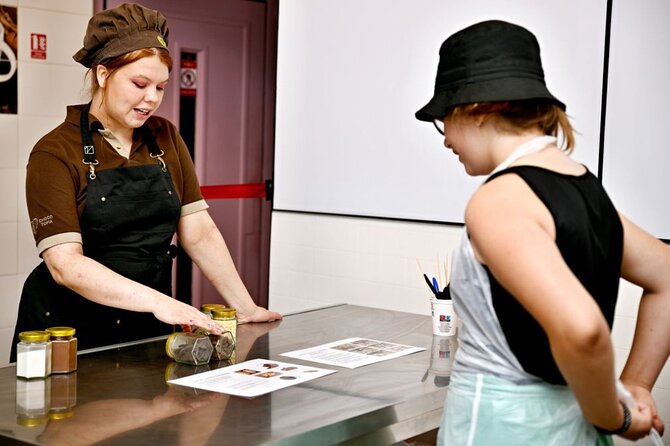
At $28 per person, you are paying for a compact experience that combines three things: museum entrance, a hands-on workshop, and chocolate tastings. The price is easier to accept when you understand what you actually receive.
For one, you get real “work time” making your own chocolate tablets instead of just watching a demo. That hands-on part is typically what people remember, and it is also what turns the experience into something you can share or gift later.
Second, you get museum context and audio guidance. That makes the chocolate-making feel more meaningful, because you learn why cocoa matters and how chocolate became a global product.
Third, you get tastings. Tastings add variety and help you refine your own palate. If you are the type who normally buys one chocolate bar and calls it a day, the tasting portion can change how you shop afterward.
The best value comes when you treat the workshop like the main event. If you are hoping to spend most of the time wandering, you may feel like your money went mostly to the class and not to the exhibits. If you want a fun, short educational session with a clear payoff, the price feels fair.
Who should book this workshop, and who should think twice
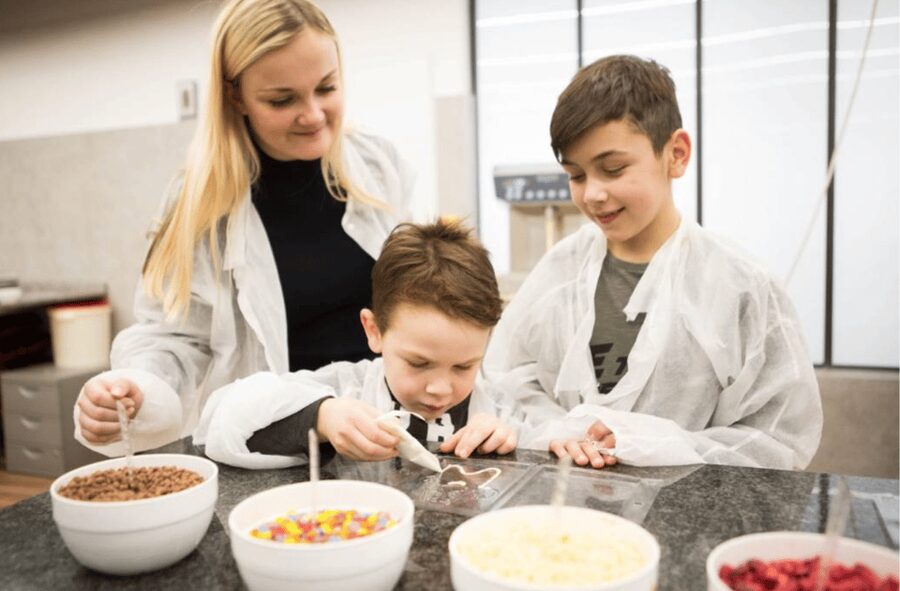
This is a great fit if you:
- Want a short, memorable Prague activity that still teaches something
- Like interactive classes more than lectures
- Enjoy tasting and comparing chocolate flavors
- Are traveling as a couple or in a small group and want an easy schedule win
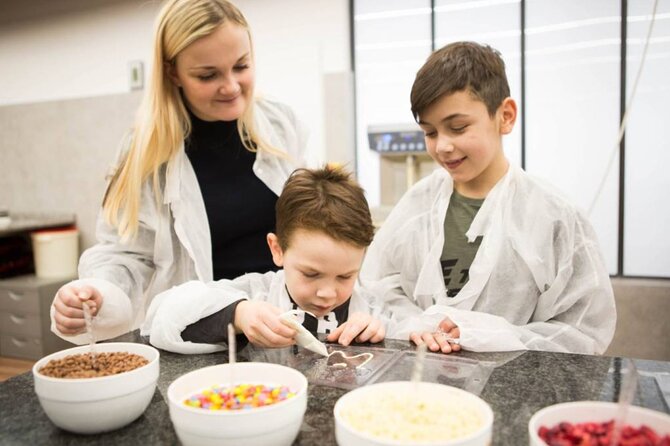
It is also a solid choice for families, though the data you provided does not specify age rules. If you are bringing kids, you may want to treat this as a workshop-first outing and expect attention to vary by child.
Think twice if you:
- Expect a large, multi-hour guided tour with lots of time in the galleries
- Are not interested in hands-on making and only want passive museum browsing
- Prefer deeper, long-form cultural history about Prague itself, because this focuses on chocolate and its global story
Booking checklist: how to choose the right slot
To make this work smoothly, pick a time when you are not rushing to your next major booking. Because it lasts about 90 minutes, it is easy to time with a morning or afternoon plan.
If you are the type who likes to take it slow in museums, give yourself a little buffer before or after so you do not feel like you have to sprint. The workshop part has its own pace, and the tasting part benefits from not being stressed.
Also, check that you are comfortable with an activity that includes guided steps and decision points like decoration choices. That is where the personalization happens.
Should you book Choco-Story Prague with the workshop?
I think you should book it if you want Prague chocolate with hands-on payoff. The combination of making your own personalized tablets, tasting multiple chocolates, and learning how cocoa traveled from ancient Mesoamerica into European candy culture is exactly the kind of “small time, big memory” experience that works well in a city trip.
You might skip it if you want a big, long museum day. Here, the museum is compact, and the workshop is the centerpiece. If you do not care about chocolate craft and tasting, the value drops fast.
If you do care about chocolate and you like practical, guided experiences, this one is an easy yes. It is short, it has a clear payoff, and it gives you something you can eat and remember later.
FAQ
How long is the Choco-Story Prague chocolate museum visit with workshop?
The duration is about 90 minutes. Starting times depend on availability, so it is worth checking before you lock in your schedule.
How much does it cost?
The price is $28 per person.
What happens in the chocolate-making workshop?
You will make your own personalized chocolate tablets with the assistance of a professional chocolatier.
Is chocolate tasting included?
Yes. The visit includes chocolate tasting, with multiple tastings during your time at the museum.
Is there a shop where I can buy chocolates?
Yes. There is a gift shop where you can purchase chocolates after the visit.
What languages is the audio guide available in?
The included audio guide is available in Czech, English, German, and Russian.
Is the experience wheelchair accessible?
Yes, it is wheelchair accessible.
Can I reserve now and pay later, and do I get free cancellation?
Yes. You can reserve and pay later, and you can cancel up to 24 hours in advance for a full refund.
More Workshops in Prague
- Prague Beer Pouring Class at Pilsner Urquell★ 5.0 · 129 reviews
- Prague: Soy Candle-Making Workshop★ 4.9 · 121 reviews
- Prague: Traditional Czech Cooking Class with Market Tour★ 4.6 · 53 reviews
- Prague: Chocotopia Chocolate Factory Tour Ticket + Workshop★ 4.6 · 37 reviews
Newly posted under the arches of Prague




Museums, compared.

IAM Illusion Art Museum Prague Fast Pass Ticket
Read our review →

Ticket to Audiovisual Light Art at Lumia Gallery
Read our review →
Browse the lists this tour appears in