
Reviewed · HISTORIC OLD TOWN WALKS
World War II History Tour of Prague’s Old Town
A city can look peaceful, then history hits. This Prague Old Town tour turns the streets into a World War II timeline, led by a Czech history expert-guide who explains what happened and why it mattered. I like how the walk balances big names and hard events, and you also get the chance to see both the cultural sites of Josefov and the darker Nazi-era chapters tied to the city’s landmark buildings.
One thing to note: this is not a light sightseeing stroll, and the Holocaust topic in Czech lands is treated seriously.
If you choose the 4-hour option, you also visit the Heydrich Terror Memorial in the underground crypt of Saints Cyril and Methodius, connected to the SOE agents involved in Operation Anthropoid. I appreciate that the guide points your attention at details you might otherwise skip, like the Old Town Hall facade damage from May 1945 and how Petschek Palace connects to the Gestapo and Czech resistance. The main drawback is simple: because it is a focused history tour, it moves with purpose, so comfy shoes matter and you may want breaks if you get overwhelmed by heavy material.
In This Review
- Key highlights you should not miss
- A Czech-led World War II story in Prague’s Old Town
- Where the tour starts: Kafka’s front door, then the walk into history
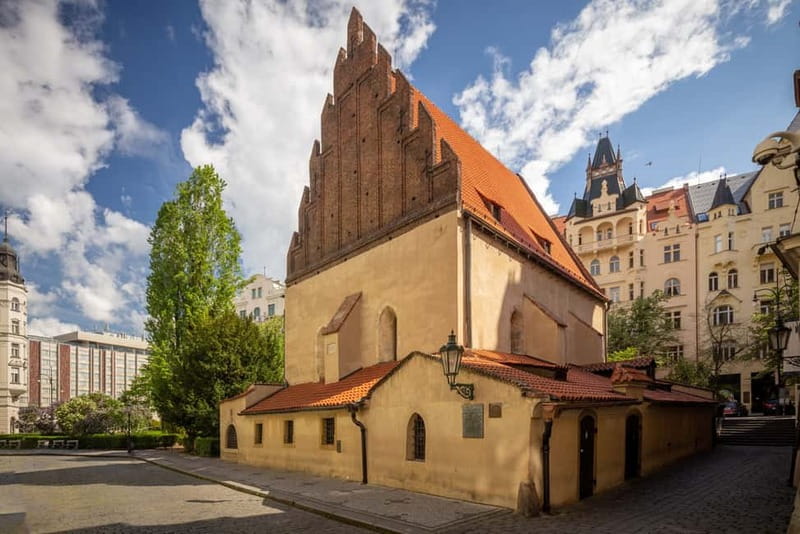
- Josefov, the Old Jewish Quarter, and why the Nazis cared
- Maisel Synagogue and the Spanish Synagogue: Jewish objects, Nazi intentions
- Old Town Square landmarks, May 1945 damage, and the Astronomical Clock
- Petschek Palace and the Gestapo, plus Czech resistance memorial context
- Wenceslas Square: mass demonstrations and how to read the space
- Operation Anthropoid and bombing context, tied to what you see
- The 4-hour option: the Heydrich Terror Memorial in the crypt
- How long should you book: 2 hours vs 4 hours
- Price and value: what $104 per person really covers
- Who this tour is best for
- A few practical tips so you get the most out of it
- Should you book this Prague WWII Old Town history tour?
- FAQ
- How long is the World War II History Tour of Prague’s Old Town?
- Is the Heydrich Terror Memorial included in the basic 2-hour tour?
- Where does the tour meet?
- What sites are covered during the Old Town walk?
- What will I learn about during the tour?
- Which languages are available for the live guide?
- Is this tour a private group?
- Is the tour wheelchair accessible?
- Can I cancel and get a full refund?
- How do reservation and payment work?
Key highlights you should not miss
- Josefov’s old Jewish landmarks and the story of Nazi interest in the area
- Maisel Synagogue and Spanish Synagogue and what the Nazis intended with stored Jewish objects
- Old Town Square damage from May 1945 plus the Astronomical Clock still standing
- Petschek Palace and Gestapo headquarters ties, with a resistance memorial plaque
- Wenceslas Square Nazi-era mass demonstrations context to match what you see
- 4-hour add-on: Heydrich Terror Memorial crypt visit tied to Operation Anthropoid
A Czech-led World War II story in Prague’s Old Town
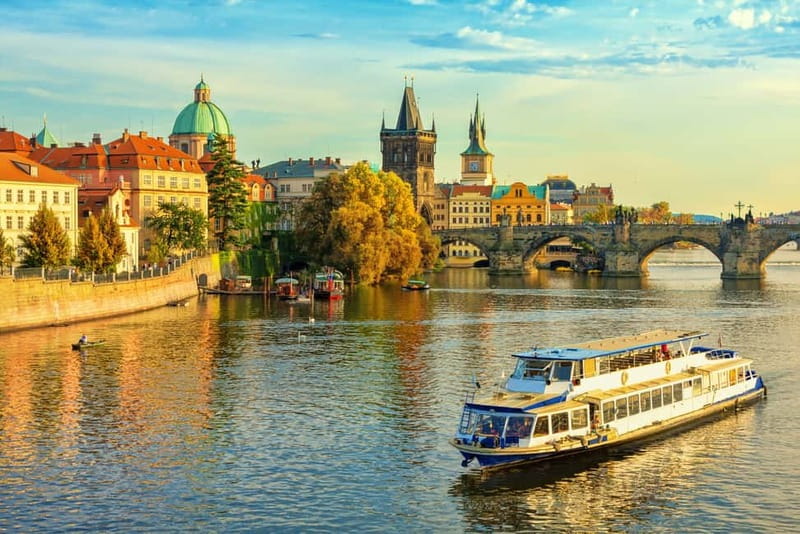
Prague’s Old Town looks like postcard Europe, so it can be a jolt when your guide starts connecting street corners to occupation-era plans, fear, and resistance. That is exactly why this tour works. You’re not just hearing dates. You’re watching your guide point out real places in Prague and linking them to events like Adolf Hitler’s visit to Prague, Operation Anthropoid, the bombing of Prague, and the 1945 uprising.
I especially like the Czech perspective. It gives context beyond the usual headline version of World War II, and it helps you understand what Czech communities faced under German occupation. The tone is direct, guided by an expert who knows how to explain the timeline without losing clarity.
You also get a private group format, which keeps the pace humane and gives you room to ask questions as they come up. That matters because some stops bring up the Holocaust in Czech lands, including the Nazi regime’s actions around the Old Jewish Quarter and the transport of Czech Jews to Theresienstadt.
Where the tour starts: Kafka’s front door, then the walk into history
You meet your guide in front of the World of Franz Kafka at Nám. Franze Kafky 16/1, in Staré Město. It is a good starting point because it puts you right in the center of Prague’s old geography, with easy access to the streets you will cover next.
From there, the tour heads into Josefov, the Old Jewish Quarter. This opening sets the stage for the themes the guide will keep coming back to: how the Nazis treated Prague as both a cultural city and a political target, and how Czech resistance and liberation unfolded in the same streets you see today.
Because this is a walking tour of Old Town blocks, expect you will spend most of your time on foot. If you are the type who likes to linger at viewpoints, you might need to adjust. The good news is that your guide uses the time well, so you are not “rushing past” history. You’re moving between scenes that connect like chapters.
Other communist-era and Cold War history walks:
- Prague: Communism History and Nuclear Bunker Guided Tour
★ 4.7 · 2,417 reviews - Prague Communism History and Nuclear Bunker Tour
★ 5.0 · 1,742 reviews - Communism & Nuclear Bunker Tour + 70s Canteen Lunch (own expense)
★ 5.0 · 1,036 reviews
Josefov, the Old Jewish Quarter, and why the Nazis cared

The walk through Josefov is where the tour becomes very specific, very fast. Your guide explains that this area drew particular interest from the Nazi regime, and that it was deserted in 1941 when the transportation of Czech Jews to Theresienstadt concentration camp began.
That part hits differently when you are standing in the neighborhood itself. You can see why the guide calls attention to this shift from community life to forced removal. It also gives you a clear lens for the synagogues you will see next, because the story here is not just architecture. It is what the regime did, what it targeted, and what it tried to erase or control.
If you are sensitive to Holocaust material, plan for that emotionally. This tour does not shy away from it, and that is appropriate for the places you visit. I found it helps to remind yourself that the point is understanding, not shock.
Maisel Synagogue and the Spanish Synagogue: Jewish objects, Nazi intentions
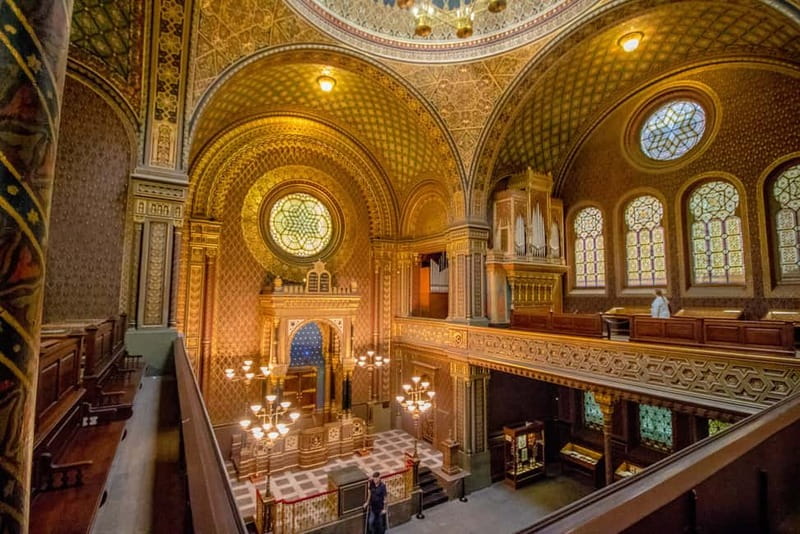
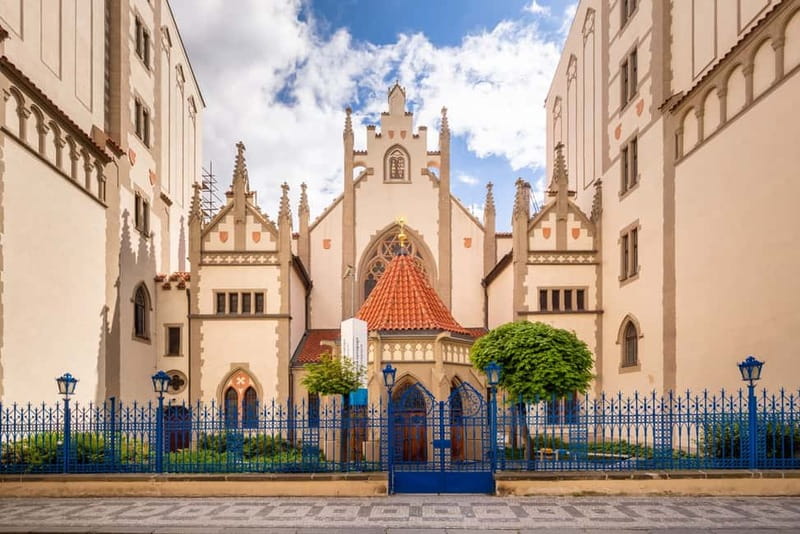
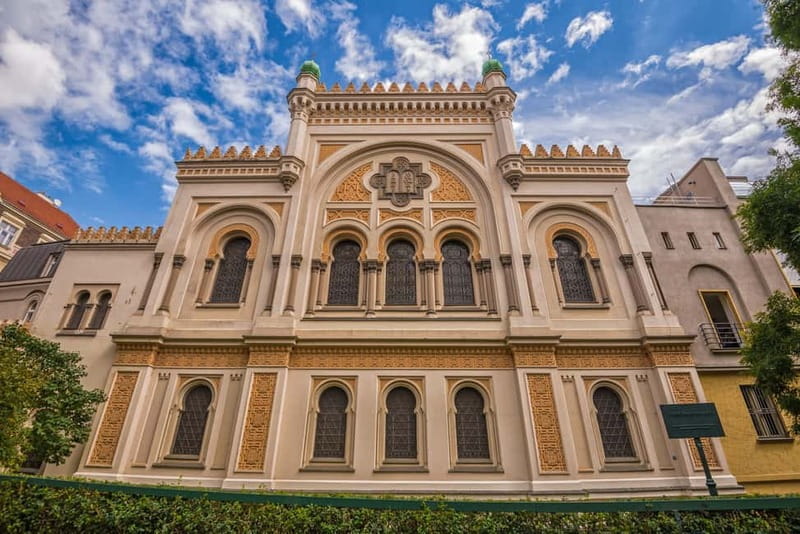
At Josefov, you get two synagogue stops: the Maisel Synagogue and the Spanish Synagogue. The tour focuses on how valuable Jewish objects were stored, with the intention to install them in the Nazi museum concept described as a museum of the extinct race.
That detail is small in wording but huge in meaning. It shows you how the Nazis framed human history as something they could label, steal, and rewrite. Your guide’s explanation makes the symbolic violence feel real, not abstract.
From a practical standpoint, these stops are also a good “reset” moment in the tour. The guide gives context, then points out what to notice so you can look instead of just listen. If you like history that connects directly to physical evidence, you will appreciate this part.
One consideration: this segment is also where you will likely feel the heaviest topic load. Pace yourself. If you need to step back for a minute, do it. The group is private, so you are not trapped in a giant crowd timeline.
More cobbles between the spires:
Old Town Square landmarks, May 1945 damage, and the Astronomical Clock
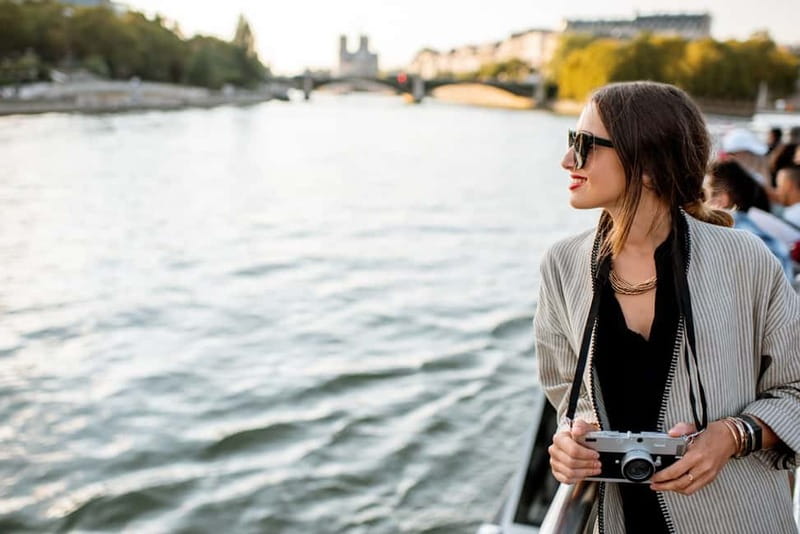
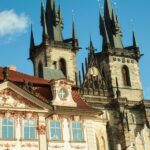
Next comes the Old Town Square, and it is one of Prague’s most recognizable spaces. You will see the Church of St Nicholas, the Kinsky Palace, and the Church of Our Lady before Týn. These are the kinds of landmarks people love for their beauty, and your guide uses them to anchor the larger story of what happened when the fighting reached Prague.
A standout moment is learning about the Prague uprising in May 1945 and how the Old Town Hall facade suffered heavy damage during that period. Standing there, you’re looking at scars on a building that still dominates the square. It makes the uprising feel less like a line in a textbook.
Then you get the contrast: the iconic Astronomical Clock has survived. Your guide frames that survival not as a simple happy ending, but as a reminder that cities and monuments can outlast the violence around them, while people still paid the price.
If you like tours that treat “famous sights” as more than photo stops, this is one of the better sections. The guide does not rely on your attention span to carry the history. They give you specific details to look for.
Petschek Palace and the Gestapo, plus Czech resistance memorial context
One of the most important stops is Petschek Palace, described as the former seat of the Gestapo headquarters. That means your guide is essentially walking you into the administrative and oppressive machinery of occupation, not just telling stories from a distance.
On the corner of the building, there is a memorial plaque dedicated to Czech resistance. This is where the tour shifts from explaining institutions to explaining people and consequences. Your guide discusses resistance efforts, interrogations, and tortures in the context of how the occupation worked.
This part can be intense, but it is also one of the most valuable for understanding Prague during the war. It turns a grand building into a historical clue. You start noticing that certain locations were chosen for power, access, and control, not for beauty.
If you prefer a tour that mixes human stories with clear place-based explanations, you will like how this stop is handled. The guide keeps it grounded in what the site represents.
Wenceslas Square: mass demonstrations and how to read the space
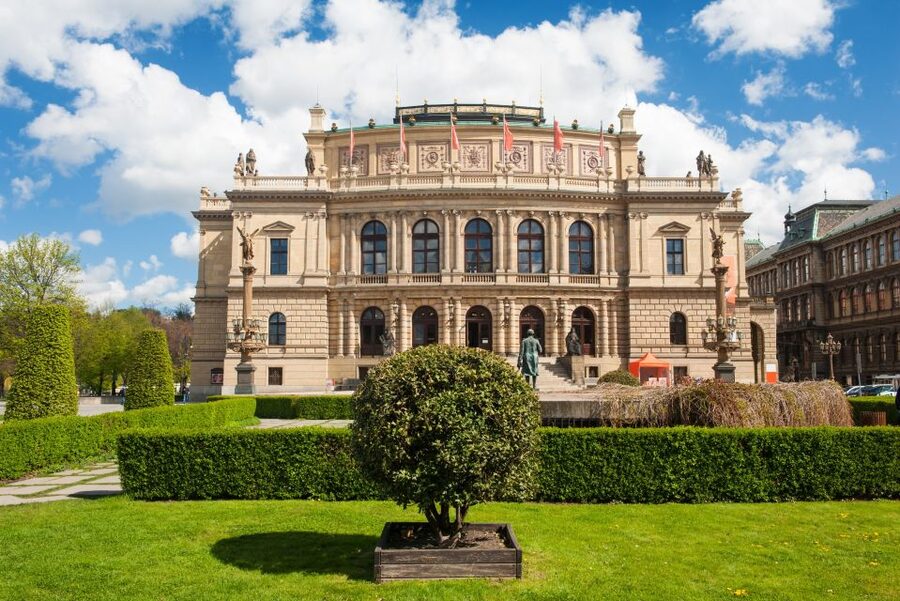
The tour ends in Wenceslas Square. Your guide explains that it was used by the Nazis for mass demonstrations. That single line changes how you see the square.
Even if you have walked through Wenceslas Square before, now you are holding a different “overlay” in your head. You notice scale, visibility, and how crowds can be directed. The space becomes part of the story rather than a neutral location.
This is also a smart ending point because you can continue your own Prague day afterward. You are not dropped into the middle of nowhere after a heavy tour. You finish in a major hub where you can get food, rest, or head to your next attraction.
Operation Anthropoid and bombing context, tied to what you see
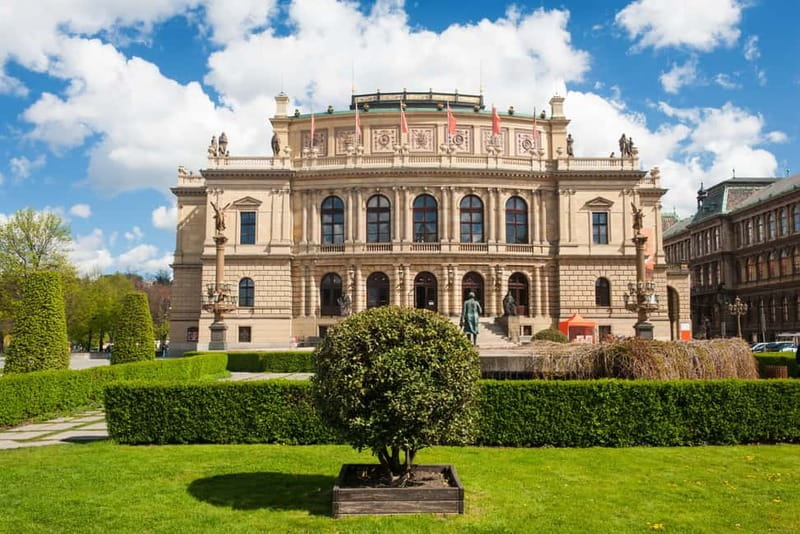
The tour connects multiple major World War II threads that can otherwise feel disconnected. Along the way, your guide brings in Adolf Hitler’s visit to Prague, the Butcher of Prague reference, Operation Anthropoid, the bombing of Prague, and the 1945 uprising.
What makes this more than a “greatest hits” lecture is how the guide ties those events to the places you are standing in. You are not only learning that these things happened. You are learning that Prague’s built environment carried those events forward, building by building.
A helpful tip for you: ask the guide what they think are the two or three most important moments in Prague during the war for understanding the city afterward. Since your group is private, you are more likely to get a real conversation rather than a one-way talk.
The 4-hour option: the Heydrich Terror Memorial in the crypt
If you select the 4-hour experience, you add a very specific and powerful stop: the National Memorial to the Heroes of the Heydrich Terror. It is located in the underground crypt of the Cathedral of Saints Cyril and Methodius.
This memorial is described as the last hideout of seven SOE-trained Czechoslovakian agents involved in the assassination of Reinhard Heydrich. So instead of only discussing events from above ground, you move into a place that is literally underground, connected to the mission itself.
This is the part that makes the tour feel complete if you want the Operation Anthropoid thread to land with weight. Your guide connects the memorial to the surrounding story of occupation terror and resistance action. It is also a quieter environment than the squares and streets, which helps your mind process everything you heard on the earlier walk.
Practical note: crypt spaces and underground areas can feel cooler and darker than Prague streets. If you are sensitive to temperature or lighting, dress in layers and bring a calm mindset. You will likely slow down and absorb more here.
How long should you book: 2 hours vs 4 hours
You have two realistic choices. The 2-hour option covers the Old Jewish Quarter and the Old Town Square focus, ending in the story arc that brings you toward Wenceslas Square. This option is a strong hit of the occupation-era context you can easily pair with other Prague sights later in the day.
The 4-hour option is the one that adds the Heydrich Terror Memorial crypt visit, plus more time for context tied to Operation Anthropoid. If you are coming to Prague specifically for World War II history, or if you are particularly interested in resistance networks and the way assassinations and reprisals shaped daily life, the extra time is worth it.
One caution: since the number of attractions depends on your selection, make sure you pick the option that matches what you most want to see. If the Heydrich memorial is a priority for you, the basic option will not include it.
Price and value: what $104 per person really covers
At $104 per person for a 2 to 4 hour private tour, you are paying for three things: expert-guided interpretation, a tight focus on World War II in Prague, and access to the Heydrich memorial only if you choose the longer option.
For context, many walking tours in Prague are either lighter theme walks or more general city history. This one is pointed. You are getting a WWII-themed expert-guide who is fluent in your chosen language, and the guide explains the Nazi occupation, the Holocaust in Czech lands, the liberation of Czechoslovakia, and the Prague uprising details as you move through the sites.
Value also comes from the place-based structure. Seeing synagogue sites, then walking to Old Town Square landmarks, then learning about Gestapo history at Petschek Palace, and finally ending at Wenceslas Square, means you are not wasting time transferring between random monuments.
One small improvement idea I can share from my own planning style: if you care about meals, set a plan for lunch before your tour or ask your guide for ideas when you finish. I would still love if lunch suggestions were more explicit at the start, but the good move is to keep yourself fed and hydrated.
Who this tour is best for
This tour is a great fit if you:
- Want a Czech perspective on Prague during German occupation
- Like history that ties directly to street-level locations
- Feel comfortable with serious topics like the Holocaust and wartime violence
- Prefer a private group format where questions are easy
It may feel intense if you want a mostly sightseeing day, with history as light seasoning. This is history with emotional weight, and the guide keeps it serious because the sites deserve that approach.
If you are traveling with teens or older kids, it can work well with the right expectations. It is better as an educational experience than a casual stroll.
A few practical tips so you get the most out of it
- Wear comfortable walking shoes, because you will cover Old Town blocks at a steady pace.
- Bring water. Prague days can be warm, and history tours do not slow down for thirst.
- If a topic becomes too heavy, give yourself permission to pause. Your group is private, so you can step out of the flow for a minute.
- If you want photos, ask your guide when it is best to step back. It keeps you from missing the story while trying to shoot pictures.
Should you book this Prague WWII Old Town history tour?
I think it is a strong book for anyone who wants World War II history that is grounded in real Prague streets and buildings. The guide-led approach makes the city readable, and the key sites cover several major threads, from Josefov and Holocaust context to the Prague uprising and the Heydrich terror memorial option.
If Heydrich and Operation Anthropoid are on your must-see list, choose the 4-hour option. If you want a shorter, still meaningful walk focused on Josefov and Old Town Square, the 2-hour option delivers a concentrated dose without eating your whole day.
Go in with the right mindset: Prague is beautiful, and this tour explains the ugliness that happened there. That mix is exactly what makes it worth your time.
FAQ
How long is the World War II History Tour of Prague’s Old Town?
The tour lasts 2 to 4 hours, depending on which option you choose.
Is the Heydrich Terror Memorial included in the basic 2-hour tour?
No. The visit to the National Memorial to the Heroes of the Heydrich Terror is included only in the 4-hour option.
Where does the tour meet?
Meet your guide in front of the World of Franz Kafka, Nám. Franze Kafky 16/1, 110 00 Staré Město, Czechia.
What sites are covered during the Old Town walk?
The tour includes Josefov (the Old Jewish Quarter), Old Town Square landmarks, Petschek Palace, and ends in Wenceslas Square. The exact number of attractions depends on your selected option.
What will I learn about during the tour?
You will learn about World War II events and personalities with a Czech perspective, including the Nazi occupation, the Holocaust in Czech lands, Adolf Hitler’s visit to Prague, Operation Anthropoid, the bombing of Prague, and the 1945 uprising.
Which languages are available for the live guide?
The live tour guide is available in English, Spanish, Russian, Italian, French, Czech, Polish, and German.
Is this tour a private group?
Yes, it is a private group.
Is the tour wheelchair accessible?
Yes, the tour is wheelchair accessible.
Can I cancel and get a full refund?
You can cancel up to 24 hours in advance for a full refund.
How do reservation and payment work?
You can reserve now and pay later, meaning you can book your spot and pay nothing today.
Dynasties in a Walk
- Prague: Oldtown, Medieval Underground & Dungeon History Tour★ 4.3 · 10,277 reviews
- Prague Old Town, Medieval Underground and Dungeon Historical Tour★ 4.5 · 3,227 reviews
- Prague: Historic City Center Bus Tour with Top Sights★ 4.4 · 2,360 reviews
- Prague Historic Pub Tour with Drinks Included★ 5.0 · 2,084 reviews
Newly posted under the arches of Prague


Historic Old Town Walks, compared.
3-Hour Walking Tour of Old Town & Prague Castle
Read our review →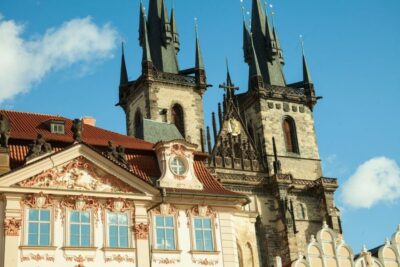
3-Hour Old Town and Prague Castle Tour in German
Read our review →
Prague Old Town, Medieval Underground and Dungeon Historical Tour
Read our review →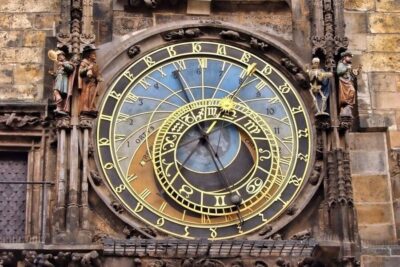
Old Town and Jewish Quarter Guided Tour in German
Read our review →
Ghosts and Legends of the Old Town Evening Tour
Read our review →
Old Town and Jewish Quarter Guided Walking Tour
Read our review →Browse the lists this tour appears in