
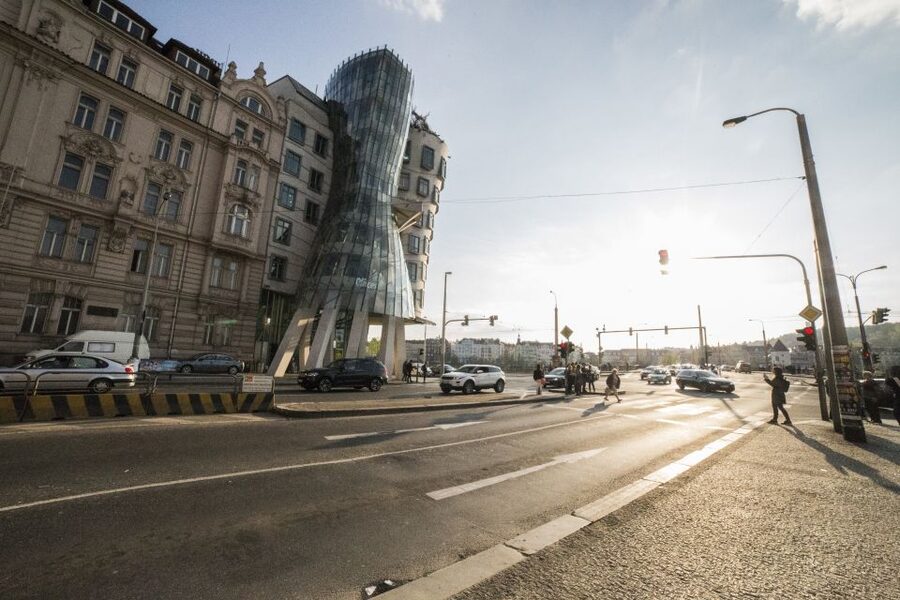
Reviewed · COMMUNIST HISTORY & COLD WAR WALKS
Prague: World War 2 and Operation Anthropoid Walking Tour
Prague WWII hides in everyday street corners. This 3-hour walking tour follows the plot and aftermath of Operation Anthropoid, then slows down at the memorial where Czech resistance fighters took their last stand.
I love how it links big names like Heydrich to specific Prague landmarks, and I also like that the ending at Church of St. Cyril and Methodius turns the walk into something you can actually feel. The main tradeoff is simple: it is a walking tour (not wheelchair accessible), so you will want solid shoes and a willingness to stay on your feet for the full route.
In This Review
- Key things I’d pin to my map
- Prague WWII on Foot: What This 3-Hour Tour Really Covers
- What You Get For $32, and Why It Feels Like Good Value
- Meeting at Týnská 627/7: Find the Right Door Fast
- The Story Starts in Old Town: Dům U Kamenného zvonu to Celetná
- Wenceslas Square and Charles Square: Big-Prague Energy With a WWII Lens
- Petschek Palace: A Turning Point in Tone
- The National Memorial to the Heroes of the Heydrich Terror
- Ending at St. Cyril and Methodius: The Place Tied to the Last Stand
- How the Guide Makes or Breaks This Kind of WWII Walk
- Who This Tour Suits Best (and Who Should Rethink It)
- Practical Tips So Your 3 Hours Go Smoothly
- Should You Book This Prague WWII Walking Tour?
- FAQ
- How long is the Prague World War 2 and Operation Anthropoid walking tour?
- How much does the tour cost?
- Where do I meet the guide?
- Is hotel pick-up included?
- Is the tour in English?
- What is included in the tour?
- Is the tour wheelchair accessible?
- Can I bring a stroller?
- Are service animals allowed?
- What should I wear?
Key things I’d pin to my map
- Operation Anthropoid, explained clearly with the who, what, and why behind the assassination plot
- Resistance hiding places and final refuge sites tied directly to what happened in Prague
- Heydrich Terror memorial stops that frame the brutal reprisals that followed
- Old Town to New Town pacing so you see both the planning streets and the emotional endpoint
- English live guides with real engagement shown in how they answer questions and use visual aids
Prague WWII on Foot: What This 3-Hour Tour Really Covers
This is not a generic WWII “big sites” tour. You walk through central Prague with the story anchored to the exact places where events unfolded and where the Czech resistance tried to survive the occupation. The focus is the assassination of Reinhard Heydrich, one of Hitler’s top officers, and the operation that made it happen, Operation Anthropoid.
You also get context that helps the story click. The tour covers the early days of the war in Czechoslovakia, the student uprising, and the Prague Uprising. That matters because it stops the history from feeling like a single, isolated episode and instead shows how resistance grew, changed, and paid a terrible price.
By the end, the walking route leads you to a memorial space in the New Town where the last resistance fighters were hiding. It is a strong finish, and you’ll likely want a few quiet minutes before you move on.
What You Get For $32, and Why It Feels Like Good Value
At $32 per person for about three hours, this tour is priced for real access, not just name recognition. You get a live local guide, plus a paid visit connected to the resistance fighters at the Church of St. Cyril and Methodius. For a topic as heavy as WWII, that guide-led structure matters. It helps you connect street-level details to the bigger events, so you leave with understanding, not just photos.
Also, the group format helps value. The tour runs with a minimum of 2 guests, and a private group option is available. Smaller groups typically mean more chances to ask questions and get specifics, especially for a subject where people often want to know the motives, the consequences, and the human details.
The only “cost” you should budget for is physical effort. If you hate walking, this will feel like too much history piled into one morning or afternoon. If you are okay with a steady pace and comfortable shoes, the price starts to feel very fair.
Other communist-era and Cold War history walks:
- Prague: Communism History and Nuclear Bunker Guided Tour
★ 4.7 · 2,417 reviews - Prague Communism History and Nuclear Bunker Tour
★ 5.0 · 1,742 reviews - Communism & Nuclear Bunker Tour + 70s Canteen Lunch (own expense)
★ 5.0 · 1,036 reviews
Meeting at Týnská 627/7: Find the Right Door Fast
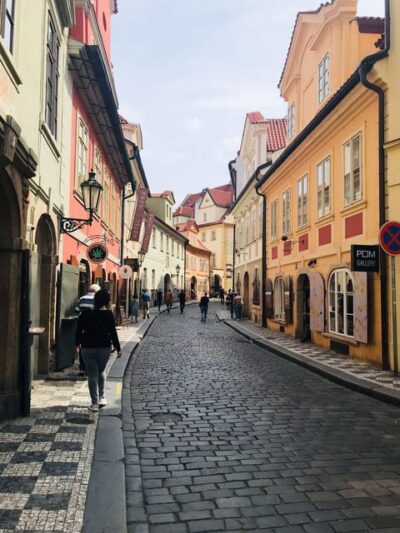
The meeting point is in front of the building at 7, Týnská 627/7. A practical way to locate it: once you are behind Týn Cathedral, turn left along Týnská Street, and look for the wooden door at number 7.
This detail matters because a few people can mix up church names and directions when they arrive mid-day or in cold weather. Give yourself a few extra minutes to sort it out. Prague streets look gorgeous, but they can also look confusing when you are searching for a specific door.
When you get started, you’ll be walking into the Old Town core, so expect cobblestones and a steady rhythm of stops. There is no hotel pick-up, so plan to arrive on your own and comfortable-walk from there.
The Story Starts in Old Town: Dům U Kamenného zvonu to Celetná
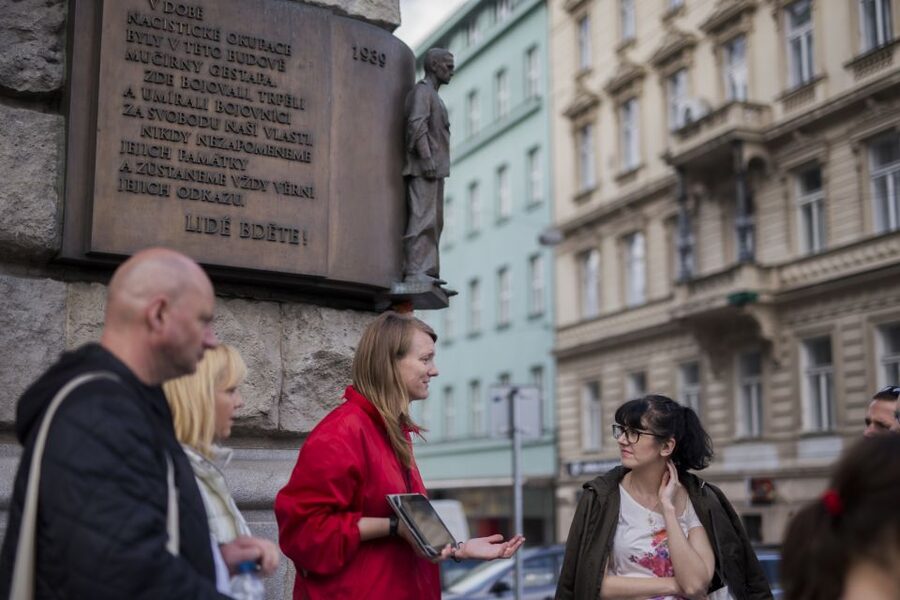
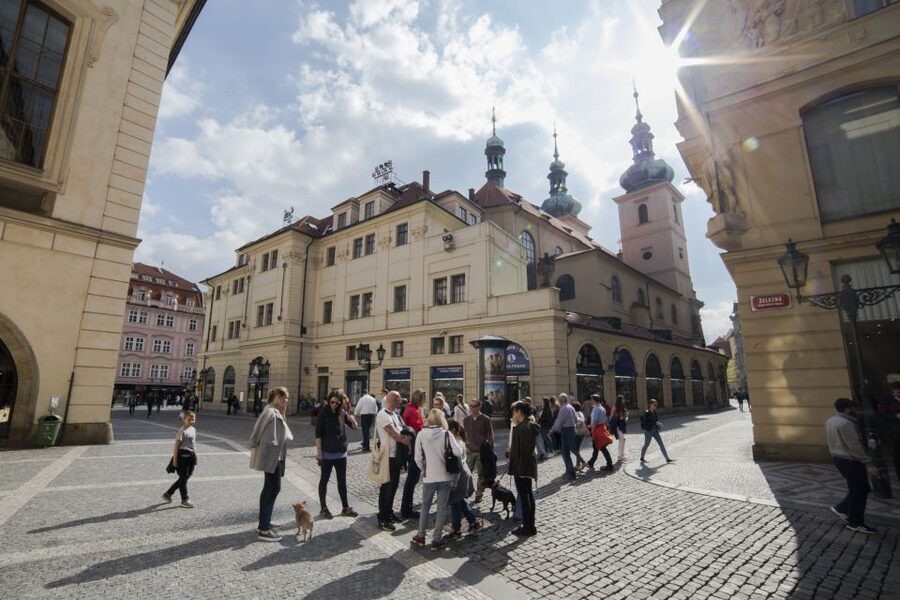
Right away, the tour uses the Old Town setting as the stage for the WWII narrative. You begin near Dům U Kamenného zvonu, where the guide sets the historical foundation: what Operation Anthropoid was, who the key figures were, and why Prague became a central location for the resistance effort.
Then you move along Celetná, a street that feels like it belongs to “classic Prague,” but the guide turns it into an occupied city. This is the tour’s first real trick: it takes familiar architecture and re-reads it through the lens of fear, surveillance, hiding places, and coded movement.
What I like here is that it doesn’t treat the story like a lecture. The guide builds cause-and-effect. You begin to understand how the resistance had to think in terms of cover, timing, and consequences. That sets you up for the later memorial material, where the story becomes much darker.
More lanes taken at street level:


Wenceslas Square and Charles Square: Big-Prague Energy With a WWII Lens
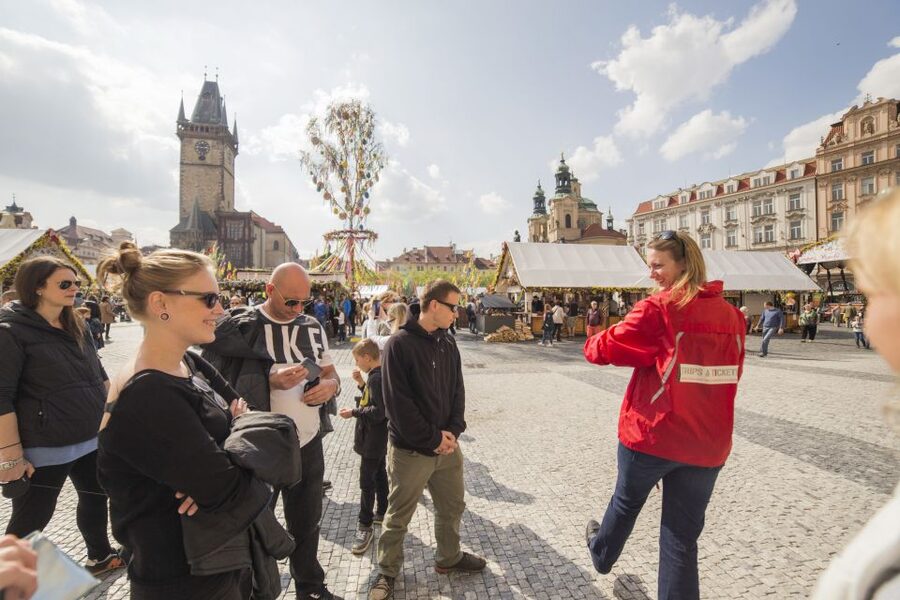
Next you hit Wenceslas Square, which is one of those places that usually pulls your attention toward monuments and wide views. Here, the guide keeps the focus on the WWII years and the political pressure surrounding Czechoslovakia during the occupation and early war period.
Then you work your way toward Charles Square. This stretch helps you see how resistance history and national memory sit side-by-side with the city’s everyday life. It is a reminder that Prague’s WWII story is not locked away behind museum glass. It is part of the streets you are standing on.
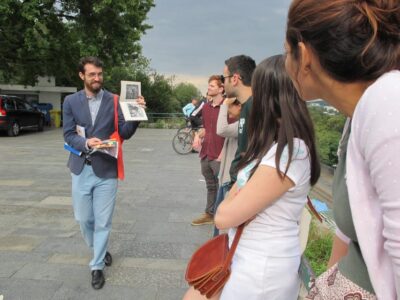
These stops are also good for asking questions. The tour format is guided and live, and many guides for this route are described as interactive, sometimes using visual aids like maps, diagrams, or photos. That kind of support helps a plot-driven story like Anthropoid make sense, especially when you are trying to keep names and locations straight.
Petschek Palace: A Turning Point in Tone
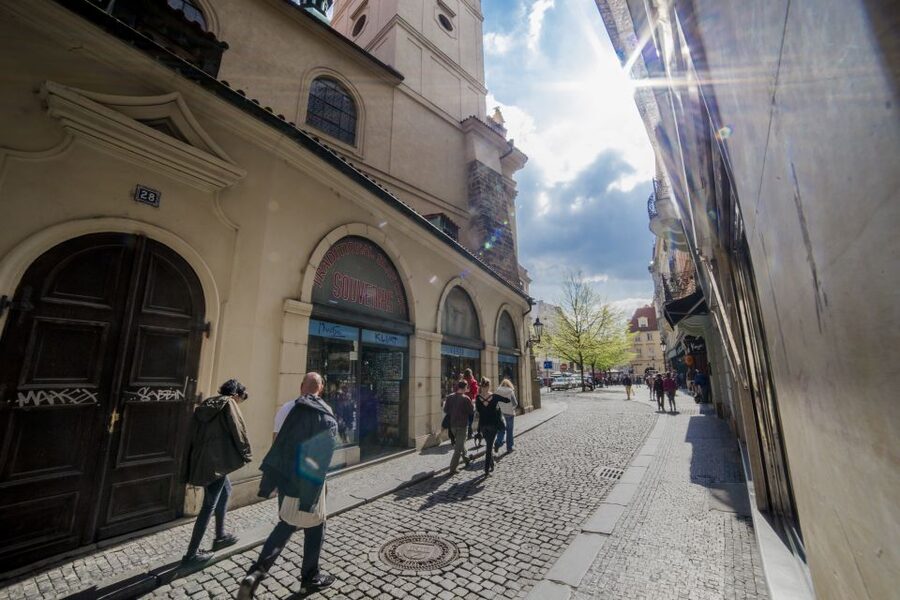
Petschek Palace is one of the stops that tends to shift the mood. Buildings like this often signal power, wealth, and official life, and the guide uses that contrast to connect occupation politics to what ordinary people faced.
This is where the story tends to move from background into the operational reality. You learn how people risked their lives and why certain choices were made, even when the odds were brutally unfair. It is also a spot where the guide’s explanation becomes more than dates and facts. You start to understand the logic behind the resistance networks, including the tension between secrecy and survival.
If you are the type who likes timelines, you will probably appreciate how the guide keeps returning to the “before and after” of the operation. That repetition helps the key events land.
The National Memorial to the Heroes of the Heydrich Terror
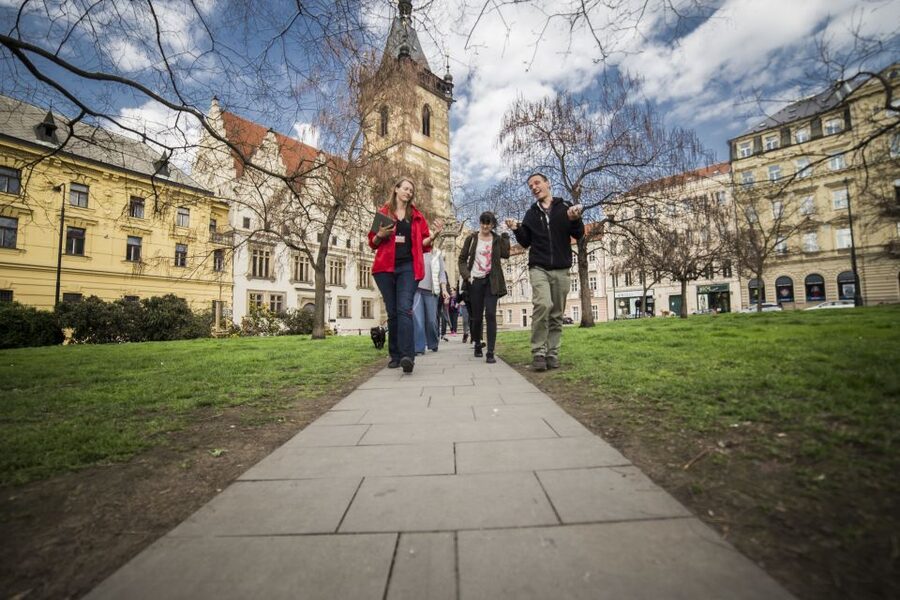
After the earlier Prague streets and squares, the tour brings you to the National Memorial to the Heroes of the Heydrich Terror. This stop is not about planning or heroism in the movie sense. It is about the brutal reprisals that followed the assassination, and the cost paid by the Czech population and resistance.
Memorials can sometimes feel like a pause button for visitors, but in this tour the memorial works as a necessary reality check. The guide helps you connect the operation’s immediate goal to the long shadow of retaliation. In other words, the memorial is where you see the consequences laid out more clearly.
If you like your history grounded, this is the moment where the city stops being “just scenery” and becomes a record of what happened.
Ending at St. Cyril and Methodius: The Place Tied to the Last Stand
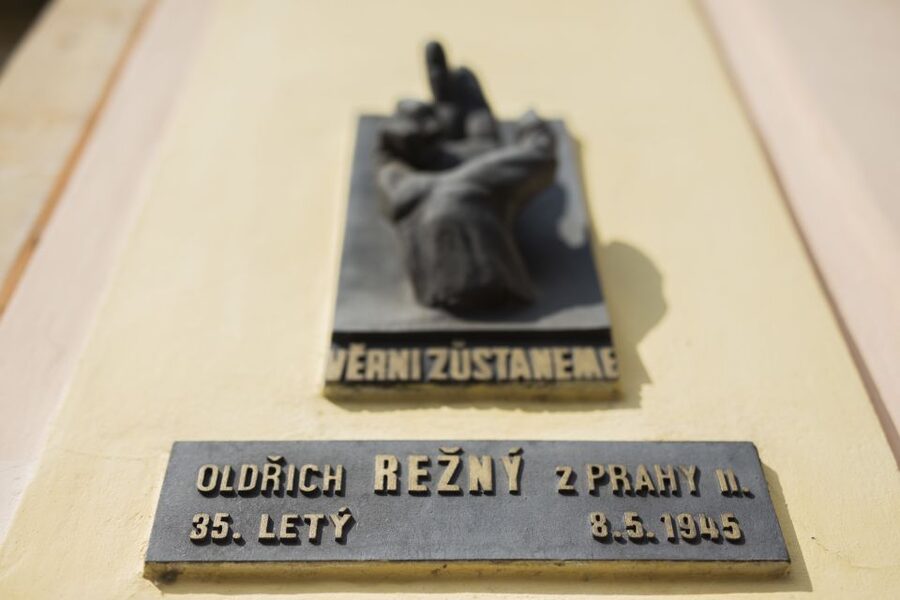
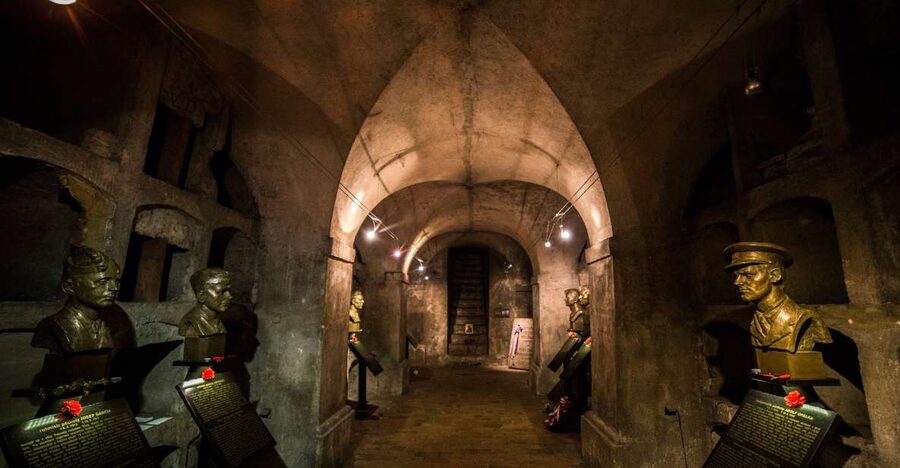
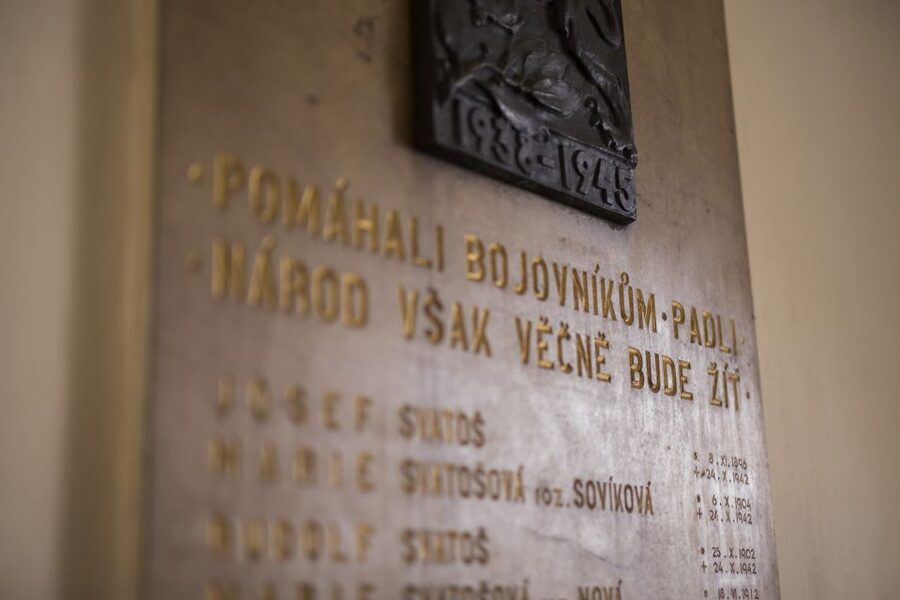
The tour finishes at Chrám svatých Cyrila a Metoděje (Church of St. Cyril and Methodius) in the New Town. The church now serves as a memorial to victims connected to the Third Reich period, and it is also tied to the last hiding place of the Czech resistance fighters connected to the paratroopers.
This is where the tour changes pace. Instead of rushing from one landmark to another, you are given time to contemplate Prague’s tragic history before heading back toward the Old Town.
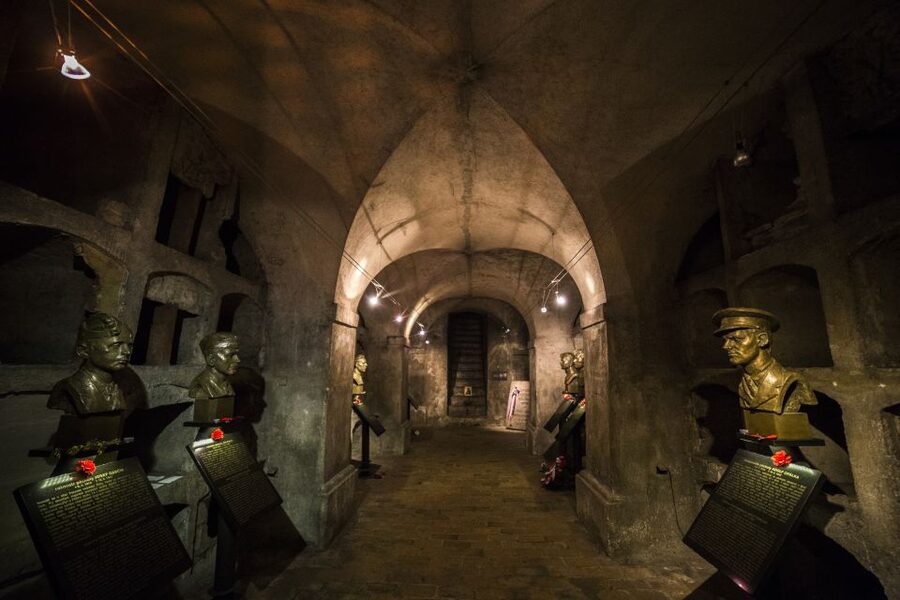
Many participants highlight the emotional weight of this ending, and in some cases reviewers specifically mention access to the crypt area under St. Cyril and Methodius Cathedral. If that access is available during your time slot, it is likely to be one of the most moving parts of the experience. Even if you are not a “crypt person,” the guide’s context makes the space feel connected to real people rather than abstract remembrance.
How the Guide Makes or Breaks This Kind of WWII Walk
For history tours, the guide is the product. Here, the feedback on guides is consistently strong, with names like Allen, Daniel, Richard, Martin, and Robin showing up in the strongest accounts. The common thread is communication style: guides who are comfortable answering questions and using tools like maps, diagrams, or photos tend to keep the story understandable.
I also like the overall approach: the subject matter is serious, but the guides are described as engaging and story-driven. That balance matters because WWII in a city can turn into overwhelm if you get nothing to hold onto. A good guide gives you structure, then lets the details breathe.
If you are the type who hates feeling rushed, a small group can help. One account mentions being in a group of four, which basically functions like a private tour. You should not count on that, but it hints at why the group size and minimum guest requirement can affect your experience.
Who This Tour Suits Best (and Who Should Rethink It)
This tour is a great fit if you care about WWII history tied to real streets and if you want the story of Operation Anthropoid without getting lost in jargon. It is also a strong choice if you like when a guide explains motivations and consequences, not just names and dates.
It may be less ideal if you cannot do sustained walking. The tour is not wheelchair accessible. It is stroller accessible, which helps for families using strollers, but the general walking nature still matters. Comfortable shoes are the one item you can control, so make that choice first.
Also, note the tone. Even if you know WWII history already, the assassination aftermath and the memorial ending can feel heavy. This is a “respect and learn” kind of experience.
Practical Tips So Your 3 Hours Go Smoothly
I’d plan like a local, because Prague rewards that. Wear shoes you can walk on for a few hours, and dress for wind and cold if you are traveling in the shoulder seasons. One review specifically mentions that even in cold weather the walking felt manageable, which lines up with how this route stays in central areas but still includes multiple stops.
Because the route is in the Old Town core and then ends in the New Town, you should also bring a good sense of pace. Don’t schedule something tight right after. Give yourself room to sit for a drink or a warm bite near the Old Town afterward, once the tour has moved you into reflective mode.
If you want to make the most of the guide-led Q&A, come with at least one question. Example: ask how the operation changed the resistance situation afterward, or why the Czech resistance was forced to hide the way it did. The best tours reward that kind of curiosity.
Should You Book This Prague WWII Walking Tour?
Yes, if you want a focused WWII walk that follows Operation Anthropoid through Prague and ends at a memorial tied to the last hiding place of the resistance fighters. At $32 for three hours with a live English guide and a church visit, the value feels strong, especially if you appreciate stories that connect streets, politics, and human risk.
Skip it if you do not enjoy walking, or if heavy WWII content will be too much for your trip mood. Also, if you need wheelchair access, this one is not designed for it.
But if you want Prague to mean more than postcards, this is the kind of tour that turns a city into a story you remember.
FAQ
How long is the Prague World War 2 and Operation Anthropoid walking tour?
It runs for about 3 hours.
How much does the tour cost?
The price is $32 per person.
Where do I meet the guide?
Meet at 7, Týnská 627/7, in front of the building.
Is hotel pick-up included?
No. Hotel pick-up is not included.
Is the tour in English?
Yes, the live tour guide is English.
What is included in the tour?
You get a local guide and a visit to the Church of St. Cyril and Methodious, connected to the last resistance of Czech paratroopers.
Is the tour wheelchair accessible?
No, it is not wheelchair accessible.
Can I bring a stroller?
Yes, the tour is stroller accessible.
Are service animals allowed?
Yes, service animals are allowed.
What should I wear?
Bring comfortable shoes, since it is a walking tour.
Newly posted under the arches of Prague

Communist History & Cold War Walks, compared.
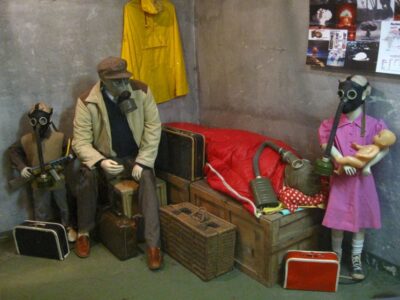
Communism History and Nuclear Bunker Guided Tour
Read our review →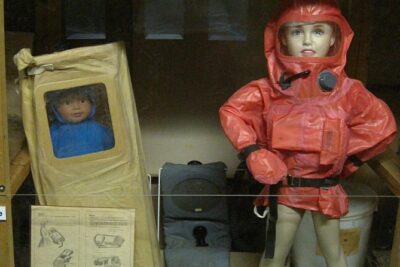
Prague Communism History and Nuclear Bunker Tour
Read our review →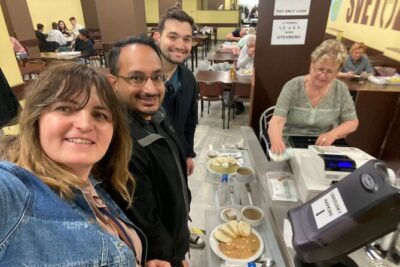
Communism & Nuclear Bunker Tour + 70s Canteen Lunch (own expense)
Read our review →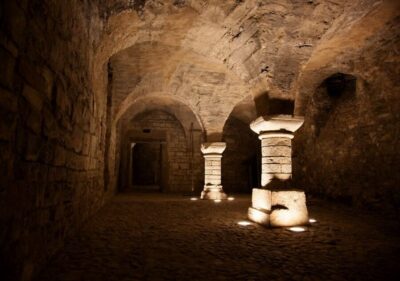
WWII Guided Tour & The Crypt of Operation Anthropoid
Read our review →
WWII in Prague Tour & The Crypt of Operation Anthropoid
Read our review →
Communism and Bunker Tour with 70s Canteen Lunch
Read our review →
Small-Group World War 2 & Operation Anthropoid Tour in Prague
Read our review →Browse the lists this tour appears in