
Reviewed · COMMUNIST HISTORY & COLD WAR WALKS
Prague: World War II and Communist History Tour
Prague turns political history into street-level drama. On this 2.5-hour walking tour from Týnská Square, I like how it connects the Nazi occupation and local resistance to the Velvet Revolution of 1989, with stops like the Municipal House, Jewish Quarter, Dancing House, and Wenceslas Square. Two standout things for me are the guide-led stories that keep the timeline clear, and the way the tour treats the Communist era topics as real human experiences, not just dates. One drawback to consider: it is a lot of heavy, emotional history packed into a short walk, so it is best if you come ready to pay attention.
At $34 per person, the price feels fair because you are getting a guided narrative across World War II, the Czech uprising, the Communist takeover, and the Prague Spring through to 1989, all without bouncing between far-flung districts. If you want pure museum time or postcard views only, you may find yourself wishing for a slower pace.
You will be on your feet the whole time, and the payoff is in how the guide links what you see on the street to what happened to people behind those walls.
In This Review
- Key Points You Should Know Before You Go
- A 2.5-hour walk through Nazi rule to the Velvet Revolution
- Start at Týnská Square, then learn Prague in a clear historical order
- Municipal House, Jewish Quarter, Dancing House, and Wenceslas Square
- Municipal House: where civic life meets modern politics
- Jewish Quarter: Nazi occupation and the cost of persecution
- Dancing House: contrasting eras you can actually see
- Wenceslas Square: public space during public moments
- Operation Anthropoid: the assassination story Prague can never forget
- Communism 101, with the parts that hurt: coup, Normalization, and cultural fear
- From Prague Spring to 1989: Václav Havel and the dissidents who changed the air
- Why the guide storytelling is the real engine here
- Price and value: why $34 makes sense for 150 minutes
- Practical tips so you get more out of the walking pace
- Should you book this tour?
- FAQ
- How long is the Prague World War II and Communist History Tour?
- What is the price per person?
- Where does the tour meet?
- Is the tour guide available in English?
- What is included in the tour?
- Can I reserve now and still change my plans later?
Key Points You Should Know Before You Go
- A straight-line timeline from Nazi occupation and resistance to Communism and the Velvet Revolution
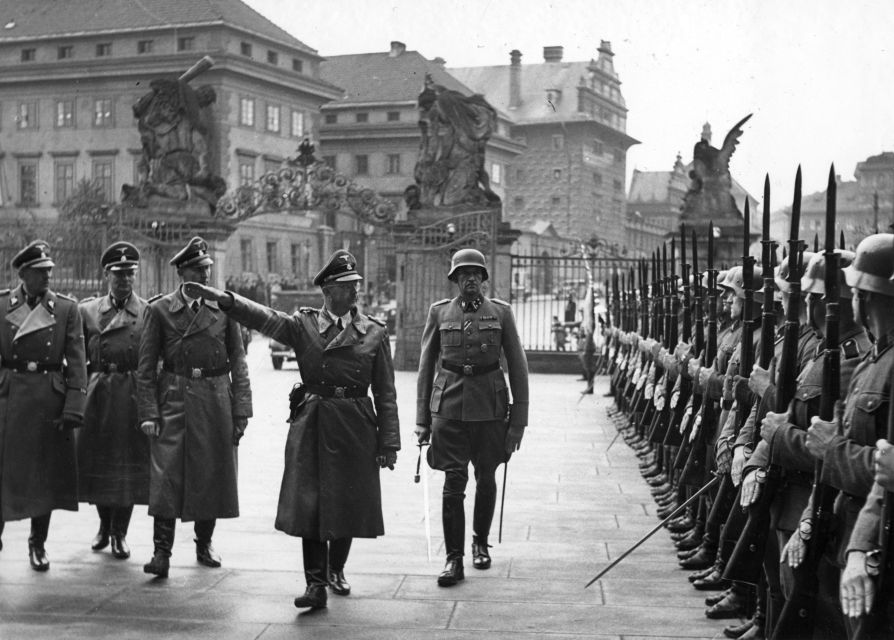
- Operation Anthropoid focus, including the story around where the Nazi security leader was assassinated
- Communist-era specifics like Normalization, the persecution of the Plastic People of the Universe, and Charta 77
- Big Prague landmarks tied to the story, including the Municipal House, Jewish Quarter, Dancing House, and Wenceslas Square
- English live guides with strong storytelling, with names like Daren, Adam, Tony, Zac, and Sean showing up across bookings
- Value at $34 for 150 minutes, especially if you like your history guided and connected
A 2.5-hour walk through Nazi rule to the Velvet Revolution
This tour works because it treats Prague like a living timeline. You are not just looking at buildings. You are learning how the city changed its mood as power changed hands, from Nazi control to Communist rule, then to the public euphoria and fear that followed.
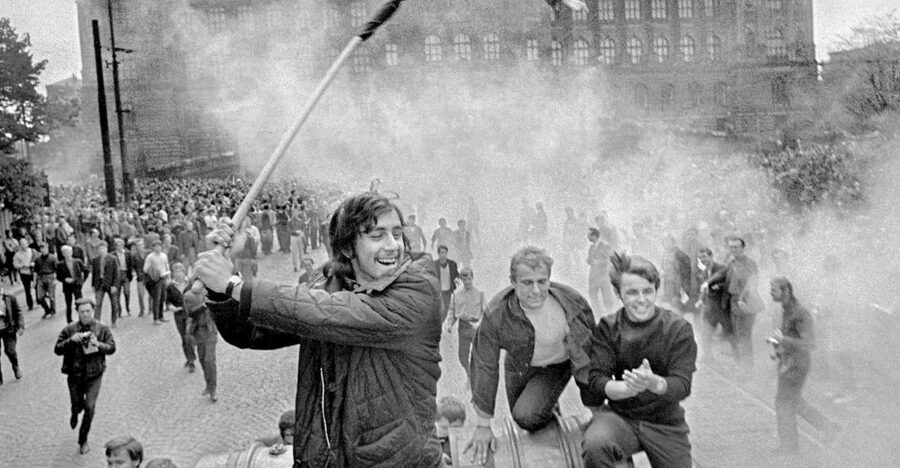
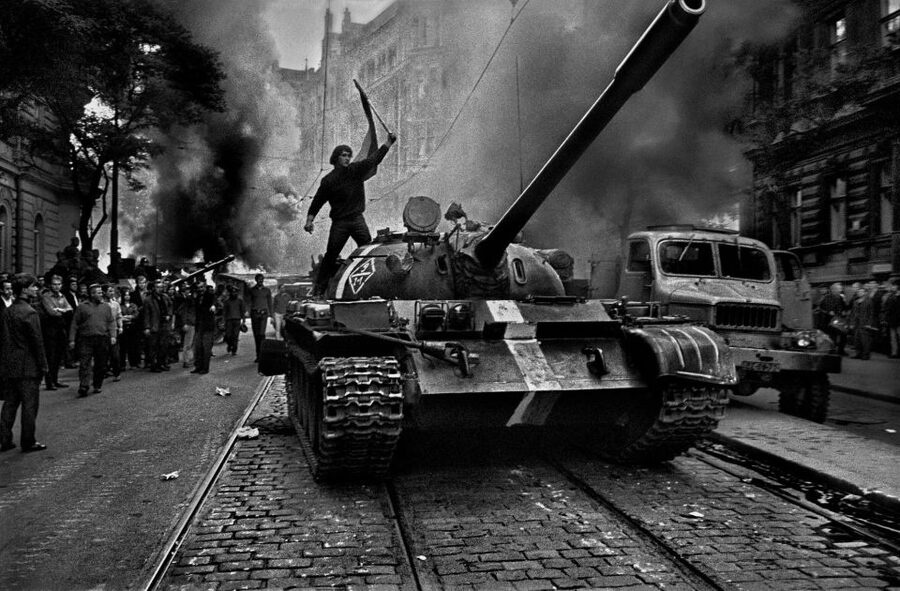
You’ll hear a local perspective on major turning points, including the Nazi occupation and resistance, the Czech uprising, the Communist coup, and the disappointment that came after. Then the story keeps moving into the Prague Spring era, the Warsaw Pact invasion, and the long years of Normalization when dissent became dangerous.
The best part is that the tour does not stop at propaganda-level summaries. It brings names and cultural pressure into the conversation, like the persecution of the Plastic People of the Universe and the role of Charta 77. And when the story reaches 1989, it centers the dissidents who helped shape the Velvet Revolution, with Václav Havel as a key figure.
Start at Týnská Square, then learn Prague in a clear historical order
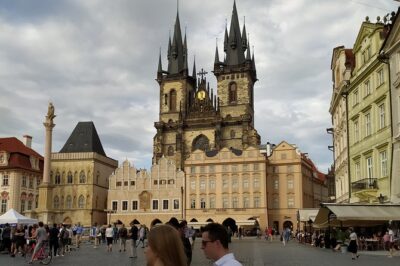
The meeting point is Týnská 639/4, Staré Město (Prague 1). From there, the walk is set up so you can follow cause and effect, not just a list of sites. The guide keeps the narrative moving through World War II, then into the Communist takeover, then into the later crackdowns, then the breakthrough of 1989.
What I like about that structure is simple: it helps you build mental maps. You might know Prague is divided into districts and landmarks, but the tour makes those neighborhoods feel like chapters in one book. When you reach a new area, you already understand what question you are supposed to be asking: What changed here, politically or socially?
One practical consideration: because the story moves through decades, you will want to keep your phone charged and your notes handy. You do not need to write everything down, but catching a couple key dates and names will help the stops make even more sense.
Other communist-era and Cold War history walks:
- Prague: Communism History and Nuclear Bunker Guided Tour
★ 4.7 · 2,417 reviews - Prague Communism History and Nuclear Bunker Tour
★ 5.0 · 1,742 reviews - Communism & Nuclear Bunker Tour + 70s Canteen Lunch (own expense)
★ 5.0 · 1,036 reviews
Municipal House, Jewish Quarter, Dancing House, and Wenceslas Square
The tour includes four major landmarks that are useful anchors for different parts of Prague’s 20th-century story.
Municipal House: where civic life meets modern politics
The Municipal House is a strong starting point for thinking about Prague before and during the upheavals. Even when you are not focused on architecture details, it helps you feel how the city’s identity was tied to public life and civic space.
Here, the guide’s job is to connect what you see with what happened to everyday life as regimes changed. If you like understanding the social side of history, this stop does that better than a pure exterior photo stop.
More dynasties in a single walk:
Jewish Quarter: Nazi occupation and the cost of persecution
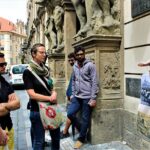
The tour’s inclusion of the Jewish Quarter matters because it gives you a place to connect Nazi occupation to persecution and loss. The guide frames these events through the lens of local experience, which keeps the topic from feeling abstract.
I would come prepared for a more serious tone here. The neighborhood is tied to some of the darkest chapters of the era, so if you are expecting only dramatic stories, you might still be surprised by how grounded the tour can feel.
Dancing House: contrasting eras you can actually see
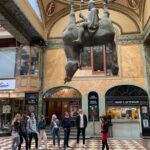
The Dancing House is a memorable contrast point. It gives you a visual reminder that Prague is not frozen in one period. You are walking through a city shaped by modern design and later political pressures, so the guide uses it as a way to underline how history can change the meaning of a place.
Even if you are not an architecture person, this stop helps your brain stop treating history as something that happened off-screen. It makes the city feel like it had a future plan, even when authorities tried to crush that future.
Wenceslas Square: public space during public moments
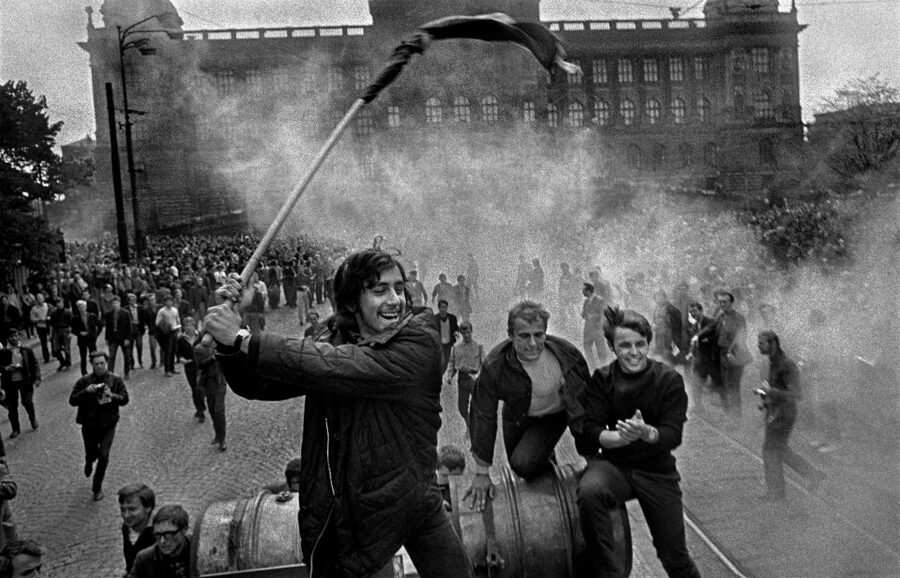
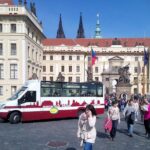
Wenceslas Square is one of Prague’s most important stages for national identity, and on this tour it becomes a place to talk about public moments. The guide uses it to connect street life to bigger political events, including the path toward 1989 and the way ordinary people could suddenly feel powerful.
If you like learning how politics gets expressed in public spaces, this stop is a highlight. It is also a good place to pause and look around with new eyes, because the square’s scale can make the history feel more immediate.
Operation Anthropoid: the assassination story Prague can never forget
One of the tour’s signature highlights is that you will hear about where the Nazi head of the security services was assassinated, tied to the resistance story known as Operation Anthropoid.
This is not just a thriller-style detour. The guide uses it to explain why resistance mattered, how the occupation created reasons to fight back, and what happened afterward when Nazis responded with brutality. The story is tense, and the tour does not treat it like a game.
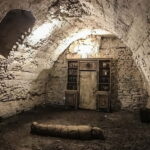
You may also encounter the memorial and museum space connected to Operation Anthropoid. One booking noted the experience included time at an Operation Anthropoid museum area, which is a strong way to anchor the story with artifacts and context rather than just street-corner narration.
If you are a history buff who has read about Anthropoid before, you should still find value here because the tour focuses on the Prague connections, not just the military facts. If you are new to the subject, the guide’s pacing helps you understand the why and the consequences.
Communism 101, with the parts that hurt: coup, Normalization, and cultural fear
After World War II, the tour shifts into the Communist era, and it does that in a way that avoids making the timeline sound tidy.
You will hear about the Communist coup and the sense of hope and letdown that followed. That emotional swing is important. Many visitors understand the broad story of Communism, but the tour keeps pointing out how people experienced the change in daily life.
Then the narrative lands on Normalization, the period when the regime tried to lock down society and punish independent thought. This is where the tour gets specific.
You will learn about the persecution of the Plastic People of the Universe. The point is not just that musicians were targeted. The point is that culture became a battlefield, because dissident ideas could travel through art even when politics was censored.
The tour also covers Charta 77, which helps you connect dissent to a broader movement. You get the idea that repression was not only about silencing individuals, it was about stopping a shared language for criticizing the system.
This part can feel heavy, and it is supposed to. The guide is careful about describing reality without whitewashing complicity or smoothing the edges. For me, that honesty is a big reason the tour earns its high marks.
From Prague Spring to 1989: Václav Havel and the dissidents who changed the air
Then comes the turning point everyone hopes the tour will reach: the Prague Spring and the shock of the Warsaw Pact invasion, followed by the long tightening under Normalization.
You will hear the story in a way that makes 1968 feel less like a distant date and more like a lived moment of hope, followed by fear. The euphoria is important, because it explains why the later Velvet Revolution mattered so much. People had already tasted a different future and realized what was taken from them.
As the tour moves toward 1989, it brings Václav Havel into focus along with an eclectic group of dissidents. The key idea is that change did not come only from power structures. It came from the people who refused to disappear, the people who used speech, writing, and culture to keep pressure on the system.
When the tour ends near the major public spaces linked to the Revolution era, you get a sense of how quickly a city can change its tone once the public believes it can. Even if you know the outcome already, the guide’s framing makes the moment feel earned rather than inevitable.
Why the guide storytelling is the real engine here
The tour’s historical subject is serious, but the way it’s delivered is what keeps you from zoning out. Across bookings, guides named Daren, Adam, Tony, Zac, and Sean show up as recurring standouts, and the common thread is storytelling that stays human.
You’ll hear entertaining local-style accounts rather than just a textbook cadence. That matters because you are dealing with complex events across many years. When the guide shapes the narrative through people, not just governments, the timeline sticks.
I also like that the guide pace seems designed to keep questions alive. A few bookings mentioned that there was time for answers and that the tour length worked even in rain, with guides still delivering the story well. If you are the type who likes to ask why things happened, this format is a good match.
One practical note: because the tour is packed with stories, you will get the most if you listen for the connections the guide points out. Don’t just focus on facts. Focus on cause and effect.
Price and value: why $34 makes sense for 150 minutes
Let’s talk money. At $34 per person for 150 minutes, you are paying for a guide to connect decades of events to real locations you can still see today.
Compare that to paying for separate entries, or even doing a self-guided walk where you still need to piece the story together yourself. This tour gives you a coherent narrative. That coherence is the value.
Also, the tour is described as walking with a live English guide for a full 2.5 hours, which is long enough to build context. Short tours often hit just one theme. This one tries to cover the whole arc from occupation to Revolution, plus the Communist crackdown chapters in between.
If you want a history lesson that feels like it has a beginning, middle, and end, this price point is reasonable.
Practical tips so you get more out of the walking pace
This is a walking tour, so you’ll want the basics right.
Wear comfortable shoes. Prague sidewalks are fine, but after 2.5 hours, your feet will let you know if you picked wrong.
Bring a light layer. Weather can shift fast. One booking even mentioned the guide performed well in pouring rain, which is a reminder to pack for getting a little wet.
If you like to keep learning after the tour, make it a two-part experience. One standout tip was to watch Anthropoid and Munich afterward. Those films do not replace the tour, but they can help you keep the events straight in your head and see how later audiences interpreted the trauma.
If you want to maximize time, ask the guide about any practical shortcuts during the route. In at least one case, a tram ticket was provided to save walking time from the museum portion. That kind of help can make the tour feel less rushed.
Should you book this tour?
Book it if you want your Prague sightseeing to have a backbone. This tour is a strong choice if you care about the chain from Nazi occupation, to resistance, to Communist rule, to the dissident pressure that fed the Velvet Revolution. It also suits you if you like guides who tell stories with local flavor and moral clarity.
Skip it if you want light, relaxing walking through scenery only. This is not a casual stroll through pretty streets. It is a purposeful walk through some of the hardest chapters of 20th-century Czech life.
If you are on a tight schedule and still want to understand how Prague went from modern ambition to political terror, then back toward public hope, this is a smart use of a half day.
FAQ
How long is the Prague World War II and Communist History Tour?
The tour lasts 150 minutes.
What is the price per person?
The price is $34 per person.
Where does the tour meet?
Meet at Týnská 639/4, Staré Město, 110 00 Praha-Praha 1, Czechia.
Is the tour guide available in English?
Yes, it is a live tour guide in English.
What is included in the tour?
It includes a 2.5-hour walking tour.
Can I reserve now and still change my plans later?
Yes. You can reserve now and pay later, and you can cancel up to 24 hours in advance for a full refund.
Newly posted under the arches of Prague

Communist History & Cold War Walks, compared.
Communism History and Nuclear Bunker Guided Tour
Read our review →
Prague Communism History and Nuclear Bunker Tour
Read our review →
Communism & Nuclear Bunker Tour + 70s Canteen Lunch (own expense)
Read our review →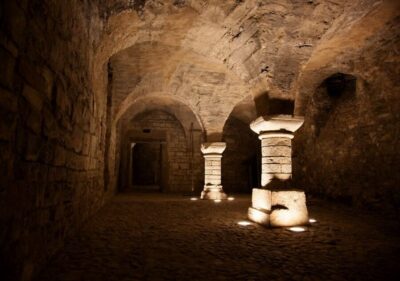
WWII Guided Tour & The Crypt of Operation Anthropoid
Read our review →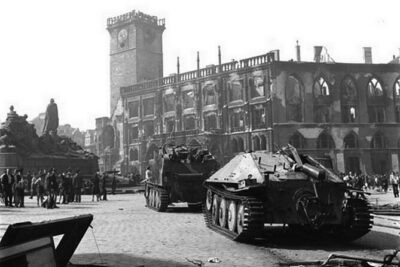
WWII in Prague Tour & The Crypt of Operation Anthropoid
Read our review →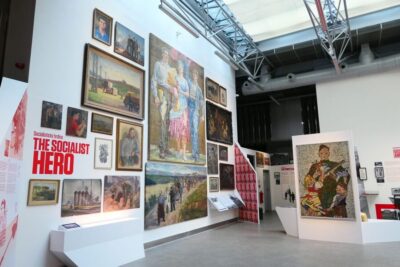
Communism and Bunker Tour with 70s Canteen Lunch
Read our review →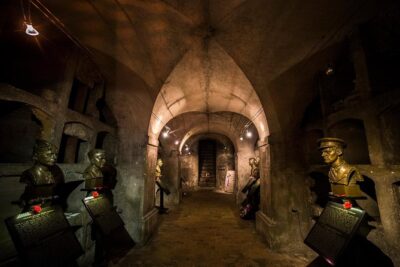
Small-Group World War 2 & Operation Anthropoid Tour in Prague
Read our review →Browse the lists this tour appears in