
Reviewed · COMMUNIST HISTORY & COLD WAR WALKS
World War II 4WD Tour from Prague with Lunch
WWII history feels close here. You get a 4×4 day trip from Prague that mixes original underground shelters with countryside stops tied to Nazi industry, forced labor, and Allied bombing. It runs like a guided time-walk, with Martin ready to answer questions from politics to daily life.
I especially liked two things: the chance to see real wartime items and documents up close, and the way Martin connects the dots between the Sudetenland and Czechoslovakia under occupation. The route also stays hands-on and concrete, from shelters you can explore to remnants of industrial sites and air-raid infrastructure.
One consideration: this is not a soft history museum day. You will be walking on uneven outdoor ground, and it is not suitable for wheelchair users, so wear solid shoes and expect cold or damp weather if it is in the forecast.
In This Review
- Key Things to Know Before You Go
- Entering The Sudetenland Story From Prague
- The Underground Shelter Visit: Where Objects Do the Talking
- The 4×4 Countryside Drive and the Nazi Industry Connection
- Bunkers, Shelters, and Underground Tunnels You Can See Up Close
- Nazi-Era Guns, Documents, IDs, and Aircraft Debris
- Lunch With Czech Beer: a Real Break in the Middle
- The Best Part Is Martin’s Questions and Answers
- Timing, Pickup, and What to Do With Your 7 Hours
- Value for $293: When You’re Paying for Access and Context
- Who This Tour Suits Best (And Who Might Want Another Option)
- Should You Book This WWII 4WD Tour From Prague?
- FAQ
- How long is the WWII 4WD tour from Prague?
- What is the group size limit?
- Is lunch included, and is beer included?
- Do I need to speak Czech?
- Is the tour suitable for children?
- Is the tour wheelchair accessible?
Key Things to Know Before You Go
- Small group, max 6 people, so questions do not get lost in the shuffle
- Martin’s Q and A style helps you understand Czech history, traditions, and democracy
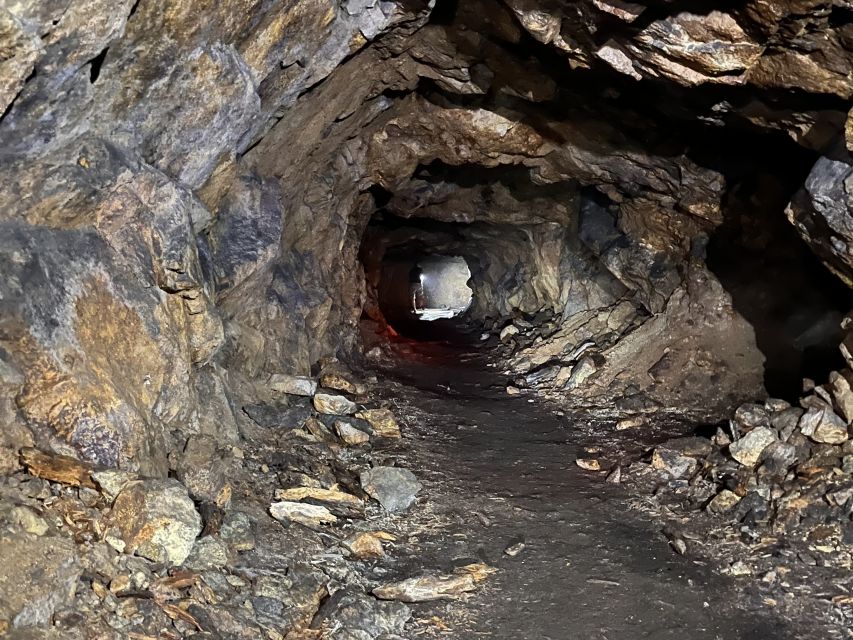
- Underground shelter start with original items you can see and touch
- 4×4 countryside route through places tied to Nazi fuel production and forced labor
- Lunch includes Czech beer and a real sit-down meal, not a rushed sandwich stop
Entering The Sudetenland Story From Prague
This trip makes a smart choice right away. Instead of treating WWII as a timeline on a wall, you travel out to the NW Bohemia region where the occupation left physical scars on the ground. The day starts with pickup in Prague, then a guided stretch that sets the tone, what you are about to see, and why it matters.
What you get is a 7-hour loop that feels full without being chaotic. For most people, the flow clicks because the guide keeps shifting from human stories to locations you can point at. And yes, the group stays small, with a maximum of 6 guests, which makes the whole thing feel like a focused conversation plus fieldwork.
One more practical upside: the tour accepts a wide age range, from kids starting at 8 up to adults up to 99, and body size does not matter. That does not mean there is no walking, but it does mean the format is designed for varied bodies and attention spans.
The Underground Shelter Visit: Where Objects Do the Talking
The first big stop is an authentic WWII underground shelter. This is not staged like a set, and that is the point. You start in a space stuffed with many original items, so you do not just hear about the war, you encounter the “stuff” people lived with.
The guide explains the hard history without turning it into vague slogans. You will also have time to look closely at what is inside the shelter, including items you can see and touch. That hands-on element makes a difference because it forces your brain to process details, not just dates.
If you are the kind of traveler who likes context as much as photos, you will appreciate how the guide frames what you are seeing. It helps you understand why shelters, documents, and everyday objects are more than artifacts. They are evidence of how war reorganized ordinary life.
Other communist-era and Cold War history walks:
- Prague: Communism History and Nuclear Bunker Guided Tour
★ 4.7 · 2,417 reviews - Prague Communism History and Nuclear Bunker Tour
★ 5.0 · 1,742 reviews - Communism & Nuclear Bunker Tour + 70s Canteen Lunch (own expense)
★ 5.0 · 1,036 reviews
The 4×4 Countryside Drive and the Nazi Industry Connection
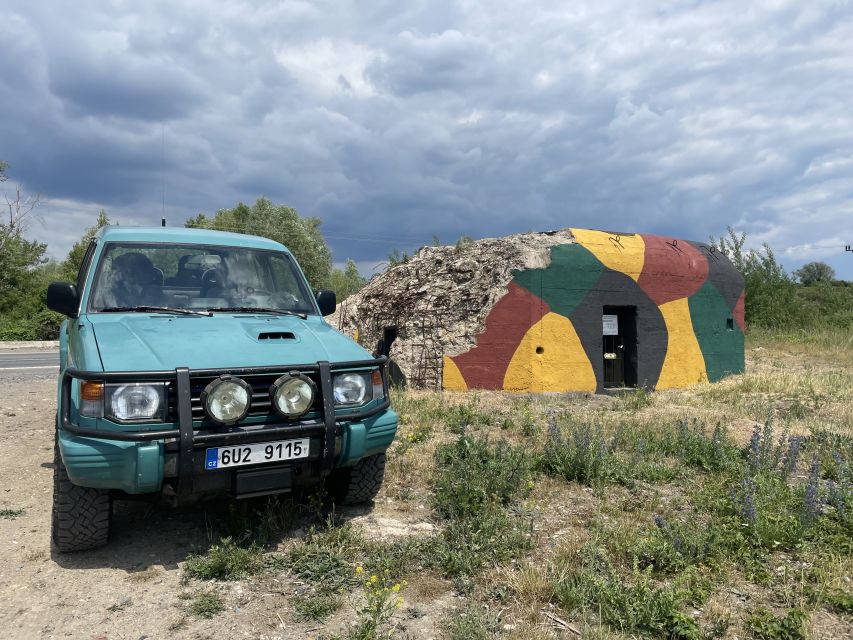
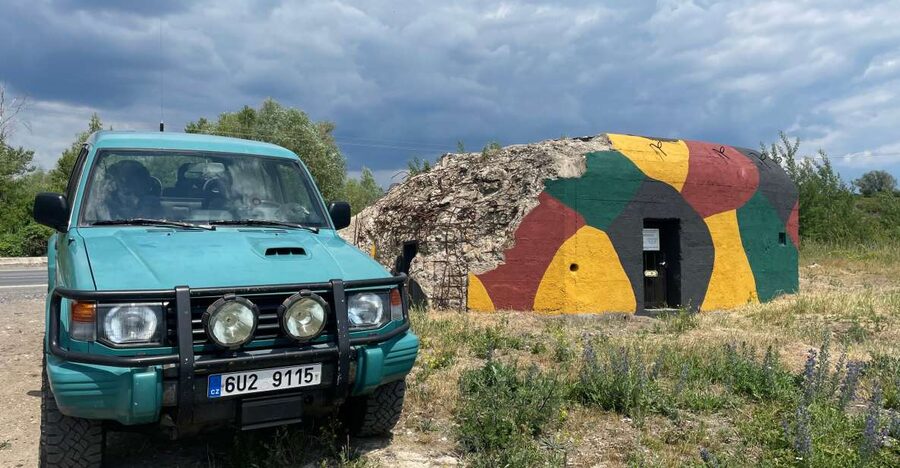
After the shelter introduction, you get into the 4WD and head out into the former Sudetenland area, roughly one hour from Prague. This drive is not just transport. It is part of the story, because you are moving through countryside where Nazi industrial building changed the region.
A key theme is Nazi petrochemical fuel production, powered by POW and forced labor, often referred to as totaleinsatz. The countryside stops let you connect that industrial push to what people nearby experienced, including the risk of becoming a target.
You can expect to pass former camps and see remnants tied to the war machine. The day also covers how R.A.F. and U.S. bombing raids targeted fuel production, so you understand why those areas saw heavy air activity. Even if you already know WWII basics, this angle adds a specific layer: not just battles, but supply lines and production sites.
This is also where the 4×4 format makes sense. It gets you to areas you would not reach easily on foot, while keeping the day compact enough for a full afternoon.
Bunkers, Shelters, and Underground Tunnels You Can See Up Close
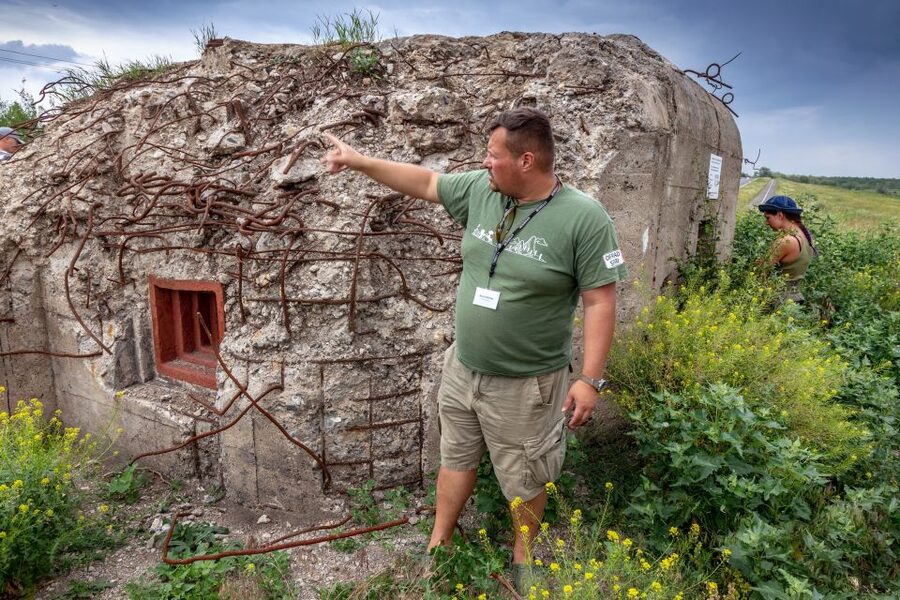
One of the headline experiences is the variety of bunker types and shelter systems across the landscape. And you will not just view them from one perfect angle. You discover many different bunkers and shelters, and you also see underground tunnels.
That variety matters. It shows that WWII defensive planning was not one cookie-cutter design. Different locations and functions produced different structures, and the guide helps you understand what you are looking at, not just where it sits.
You will also encounter air-raid infrastructure, including an air raid shaft that includes both Czech and Nazi made elements. That detail is powerful because it makes the war feel local, not abstract. The region’s own pre-war and wartime engineering choices ended up tangled in the occupation and bombing campaign.
Practical note: you will likely step around uneven ground. Bring comfortable shoes, and dress for outdoors. A light layer can be the difference between enjoying the day and counting minutes until you warm up.
Also chalked up in Prague

Nazi-Era Guns, Documents, IDs, and Aircraft Debris
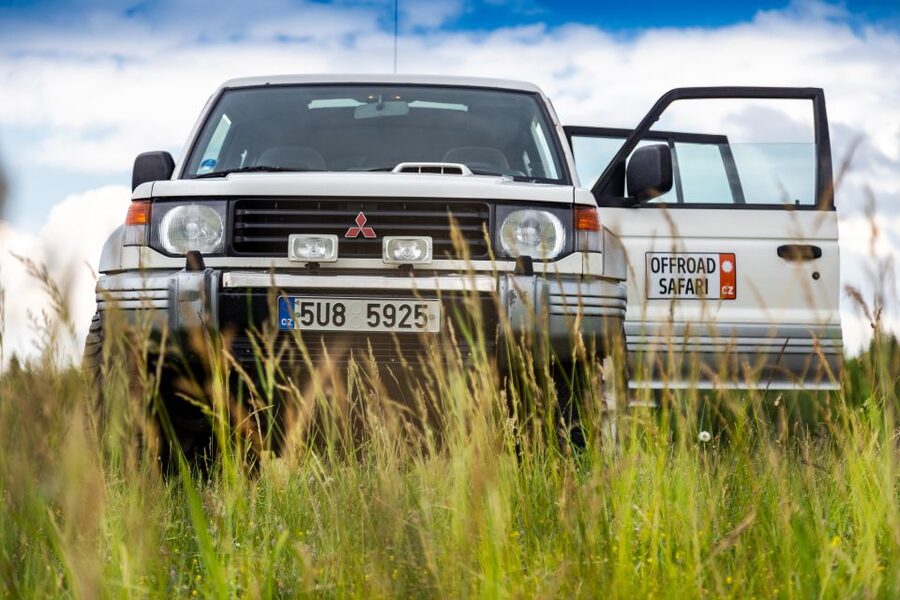
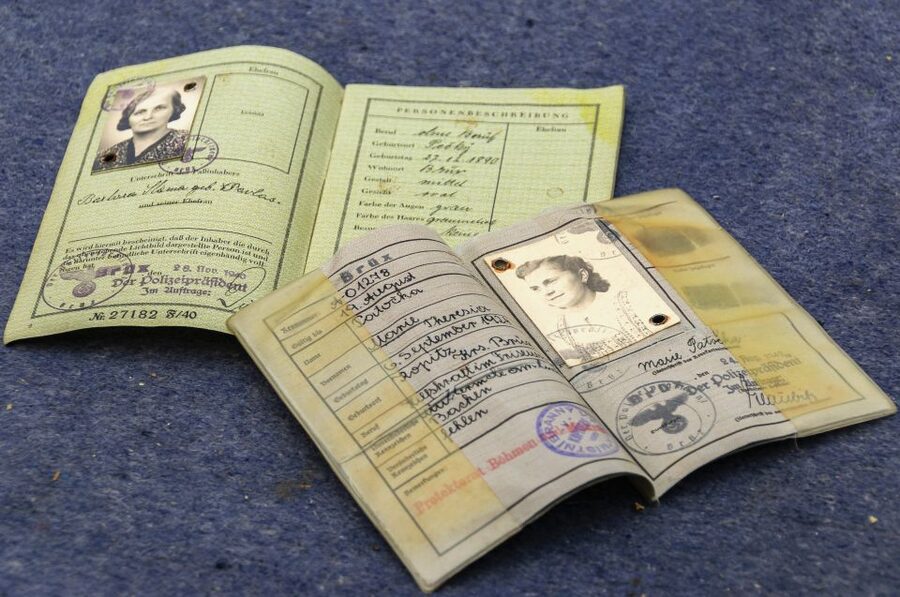
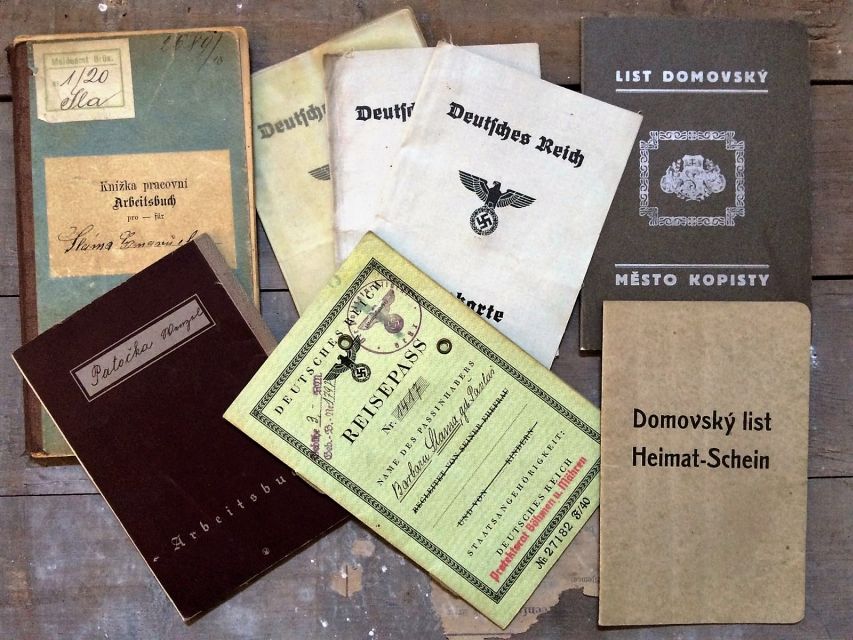
This tour includes visits where you touch or view WWII personal IDs, documents, maps, and even shut down aircraft debris. It also includes the chance to see old Nazis guns and related materials.
That sounds intense, and it is. The value is not the shock factor, it is the specificity. Personal IDs and maps make history feel like it involved names, paperwork, and routes, not just generals. Gun and debris elements reinforce the reality of what was built and what was destroyed.
The guide’s job is to keep all of that anchored in context, and Martin does exactly that. You should expect a careful explanation of what the items were used for, why they ended up where they are now, and how they connect to the larger Sudetenland and Czechoslovakia story.
If you prefer history told mostly through casual culture, this might feel heavy. But if you want the kind of experience that makes you look at a field and think, this is where specific things happened, you will likely feel rewarded.
Lunch With Czech Beer: a Real Break in the Middle
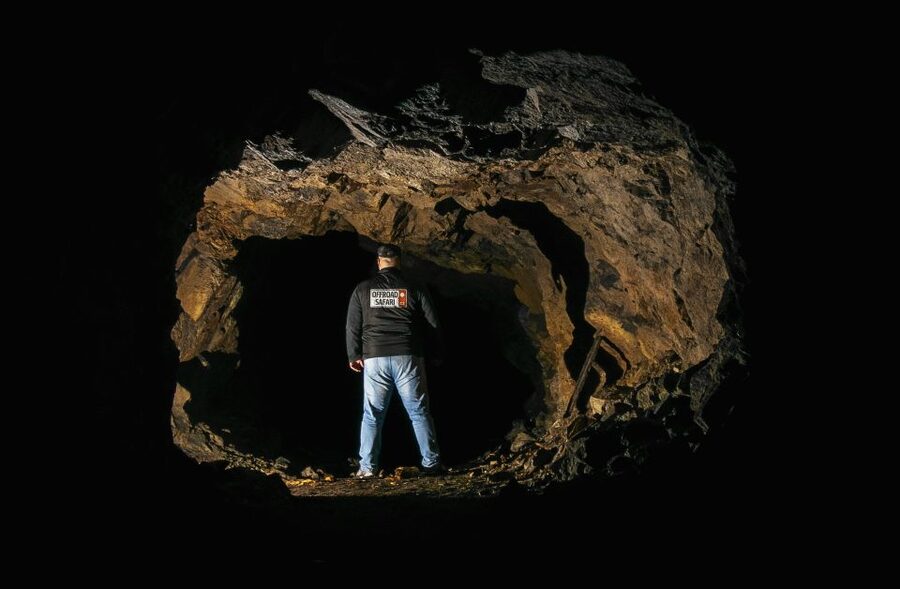
At around the middle of the day, you stop for lunch at a local restaurant. The meal is a la carte, and Czech beer is included without a limit during lunch. Bottled water is also on board for the rest of the day.
I like this setup because it gives you a true break. You are not eating while the guide is still talking. You can reset your brain, refuel, and then go back out to see more structures and remnants with better energy.
One small detail that matters for value: the lunch stop is not a throwaway deal. In practice, it has the feel of a serious local restaurant stop, and that boosts the overall day quality.
Quick tip: a la carte means the exact menu can vary, so if you have dietary needs, check ahead or be ready to ask the restaurant what is available.
The Best Part Is Martin’s Questions and Answers
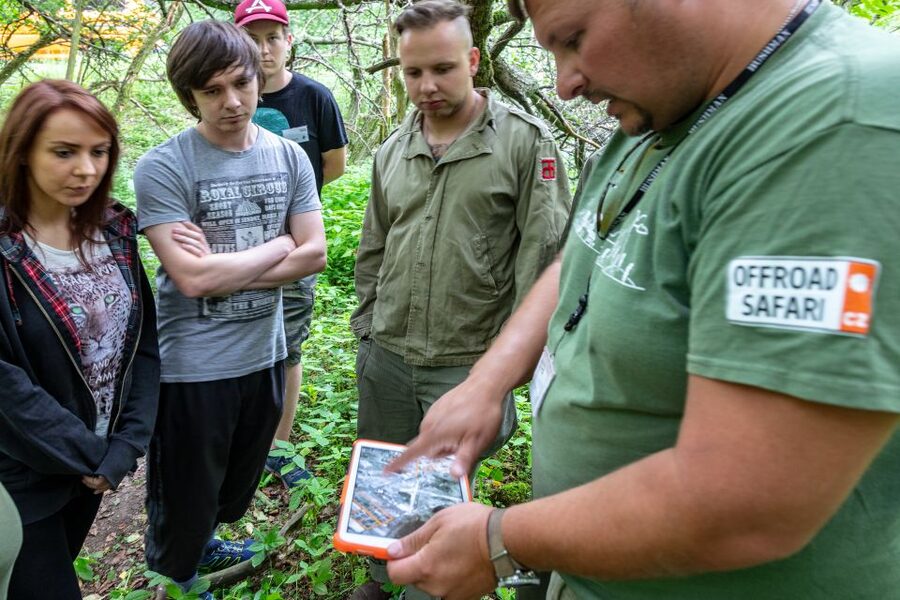
The tour’s flexibility is a real feature. Martin is open to asking anything about Czech history, traditions, democracy, and more. That is not a generic promise, it changes how you experience the stops.
Here’s why: once you connect WWII events to how the Czech Republic thinks about democracy today, the places you see stop being frozen in time. You understand how occupation, resistance, and later political choices shaped modern society.
This is also where the small group size helps. With only up to 6 guests, you can get direct answers that fit what you care about. And if your question is a little messy, that is fine. You will still get a useful, spoken explanation.
In at least one small-group experience, the guide was also the owner of the operation. That kind of involvement often means the guide truly cares about how people leave the day. You can feel that in the tone, even without reading any script.
Timing, Pickup, and What to Do With Your 7 Hours
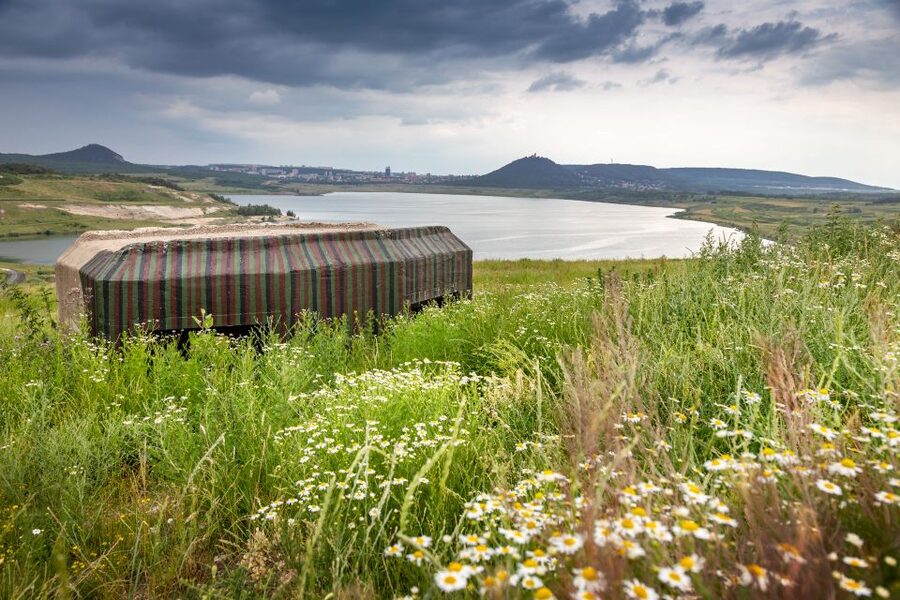
The day is built as a steady sequence: pickup in Prague, a guided portion that sets the stage for the field time, then a couple of visit blocks, lunch, then final shorter stops before heading back.
You should expect the day to be active in chunks. There is time to listen, time to look, and time to walk between points. The best way to enjoy it is to treat it like a guided hike with stops, not like a sit-down lecture.
Pickup is included at your hotel in Prague. Plan to wait in the lobby about 5 minutes before the scheduled pickup time, so you do not start the day with stress.
What to bring is straightforward: comfortable shoes and outdoor clothing. Since the tour is outdoors in parts, weather changes how it feels. If it is chilly, you will be happier with layers than with just a single jacket.
Value for $293: When You’re Paying for Access and Context
At about $293 per person for a 7-hour experience, the price is not cheap. But you are paying for a combination that is hard to replicate on your own.
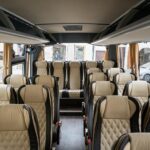
First, you get hotel pickup and drop-off, plus transport in a 4×4 vehicle. Second, you get a professional English-speaking licensed local guide. Third, the tour provides access to an authentic underground shelter environment and multiple WWII-related sites tied to industry, forced labor, and bombing.
Most importantly, you get interpretation. Seeing bunkers and tunnels is interesting, but understanding why they exist is the real value. Martin’s Q and A adds another layer, especially if you want to link the WWII story to how the country operates today.
If you can only do one day trip from Prague, and you care about WWII history beyond the headline events, this has strong value. If you want a light, casual day with minimal walking and minimal heavy topics, you might find it less satisfying.
Who This Tour Suits Best (And Who Might Want Another Option)
This is a strong fit for people who:
- Want WWII history grounded in specific locations, not just generic facts
- Like hands-on viewing, especially original documents and shelter items
- Enjoy asking questions and getting longer, human explanations
It is a less ideal fit for people who:
- Need wheelchair accessibility, since it is not suitable for wheelchair users
- Want a relaxed day with mostly indoor time
- Are not comfortable with WWII atrocities and Nazi-era material, even when handled with context
The age range matters too. The structure is set up for kids from 8, so families who can handle the subject matter and outdoor movement can make it work.
Should You Book This WWII 4WD Tour From Prague?
I would book it if you want a WWII day trip that feels real in your hands and eyes, not just in your memory. The underground shelter start, the variety of bunkers and tunnels, and the way Martin connects Czech history to the present make it a richer experience than a standard sightseeing circuit.
If you are the type who hates walking on uneven ground, or you need mobility support, then skip it. Also consider whether you truly want a heavier topic day. The tour does not hide what happened, and that is part of its honesty.
For the right person, this is a memorable Prague add-on because it changes how you see NW Bohemia, one stop at a time.
FAQ
How long is the WWII 4WD tour from Prague?
The tour duration is 7 hours.
What is the group size limit?
The group is kept small, with a maximum of 6 guests.
Is lunch included, and is beer included?
Yes. Lunch is included, it is local a la carte, and Czech beer is included during lunch. Bottled water is also provided.
Do I need to speak Czech?
No. The tour is conducted in English with a local English speaking guide with a professional license.
Is the tour suitable for children?
Yes. The tour is suitable for kids from age 8 up to age 99, and body size does not matter.
Is the tour wheelchair accessible?
No. It is not suitable for wheelchair users.
Newly posted under the arches of Prague


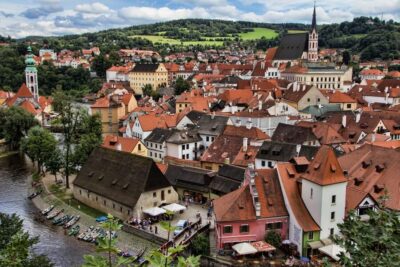
Communist History & Cold War Walks, compared.
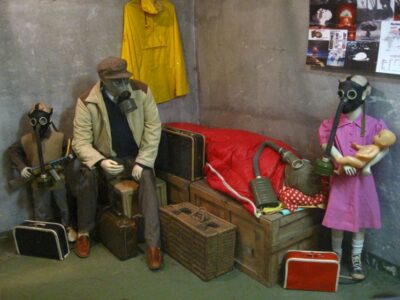
Communism History and Nuclear Bunker Guided Tour
Read our review →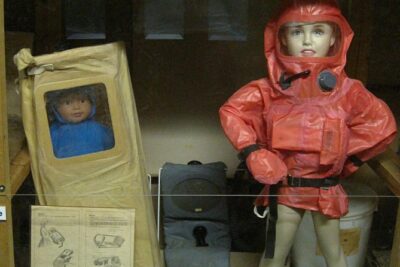
Prague Communism History and Nuclear Bunker Tour
Read our review →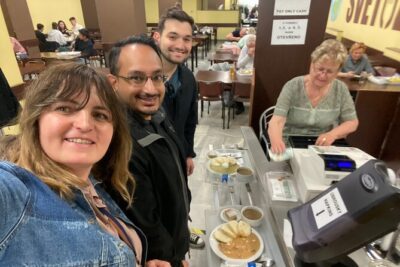
Communism & Nuclear Bunker Tour + 70s Canteen Lunch (own expense)
Read our review →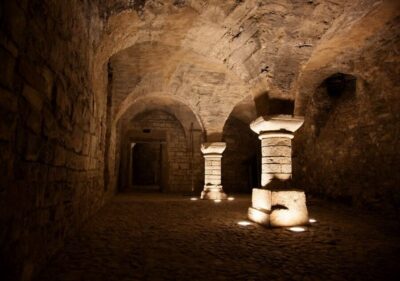
WWII Guided Tour & The Crypt of Operation Anthropoid
Read our review →
WWII in Prague Tour & The Crypt of Operation Anthropoid
Read our review →
Communism and Bunker Tour with 70s Canteen Lunch
Read our review →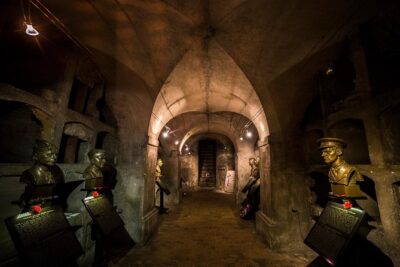
Small-Group World War 2 & Operation Anthropoid Tour in Prague
Read our review →Browse the lists this tour appears in