
Reviewed · COMMUNIST HISTORY & COLD WAR WALKS
Back to Communism Walking Tour
Prague turns grim on this walking tour. In about two hours, you walk the spaces where Czechoslovak security power and the Velvet Revolution shaped everyday life, explained in plain, human terms by your guide. You also get a fast, sobering sense of why the Cold War still echoes here, long after the posters came down.
I like the small-group format, capped at 15 people, because it stays conversational. You can ask questions as you go, and the tour leans on guides who have lived part of this story. I also like that you are not stuck in a lecture hall, this is a feet-on-the-street route that uses real locations, like the former secret police HQ at Bartolomějská.
One drawback to plan for: it is an outdoor walking tour, and the atmosphere can get chilly fast. In cold weather, you will feel it, especially when you are standing still for a stop or two.
In This Review
- Key things I would plan around
- Why this Prague “Back to Communism” walk feels different
- Entering Bartolomějská: secret police HQ and what power looks like
- Wenceslas Square: the public stage where history turns loud
- Narodni Trída memorial: the Velvet Revolution seen in a wall
- How the guides shape your experience (Petr, Daniel, Marek, and Lukas Vraz)
- Price and value: what $44.22 buys you in real terms
- Timing, meeting point, and how to make the route easy
- What it feels like on the ground: active, focused, and a bit chilling
- Who should book, and who might want to think twice
- Should you book Back to Communism in Prague?
- FAQ
- Where is the tour meeting point?
- When does the tour end?
- How long is the walking tour?
- How much does it cost?
- Is the tour offered in English?
- Is there an admission fee for the stops?
- What is the group size limit?
- Will I get a ticket on my phone?
- Are children allowed?
- Are service animals allowed?
- Can I cancel for free?
Key things I would plan around
- Small group, maximum 15 people, which keeps the Q&A actually useful
- English guided experience with a mobile ticket after booking
- Free entry at all three stops, so your money goes to the guide, not museums
- Three high-impact locations that connect secret police power to the Velvet Revolution memorial
- 2-hour walking pace that works for most people, as long as you can do a steady stroll
- A guide with lived context, including examples from guides such as Petr, Daniel, Marek, and Lukas Vraz
Why this Prague “Back to Communism” walk feels different
Some tours about communism and the Cold War stay abstract. This one uses nearby places you can actually point at. The guide ties details to what happened here, and that is what makes it land.
The price, $44.22 per person for about two hours, might look modest compared with long museum days. The value is that you are paying for focused guidance plus time with a person who can explain what it meant to live under surveillance and control. The stops also have free admission, which helps you feel less like you are buying tickets to stand in lines and more like you are paying for understanding.
The other smart piece is the pacing. You are not marathon-ing all over Prague. You get three compact stops that are close enough to keep the tour moving, with enough time at each place to connect history to the setting.
Entering Bartolomějská: secret police HQ and what power looks like
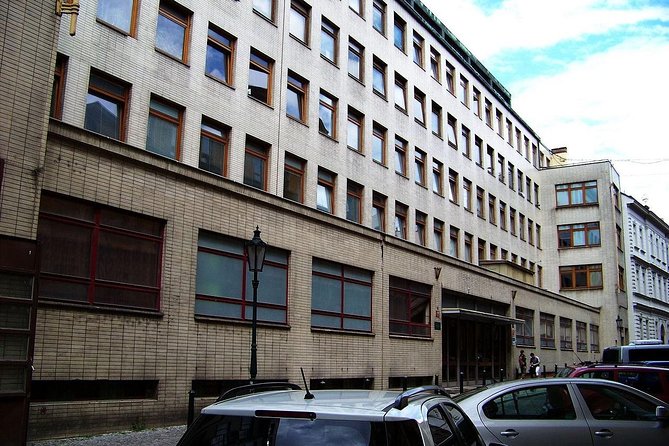
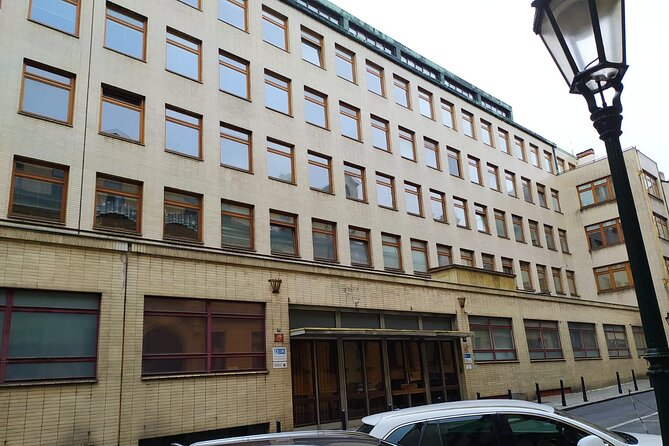
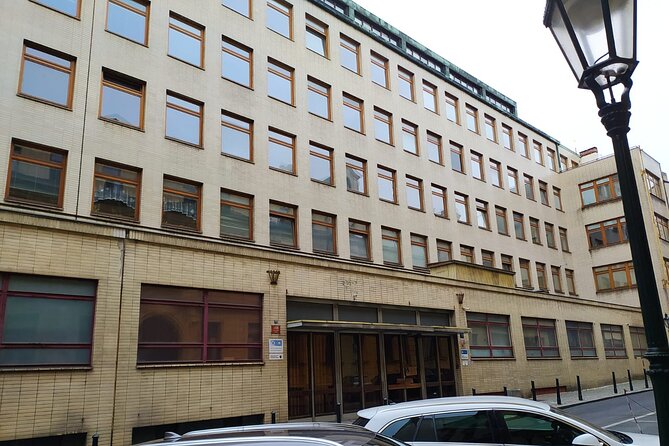
Stop one is Bartolomějská, the former HQ of the Czechoslovak Secret Police. Even if you only spend around five minutes here, it is the kind of stop that changes how you see the city. You are looking at a site tied to the machinery of fear, where control was not a concept, it was the system.
Here is what I’d pay attention to during your brief time at Bartolomějská:
- How the guide frames the purpose of the secret police, not just the headline story.
- What everyday consequences came from being watched or suspected.
- How the guide explains the atmosphere of living with uncertainty.
The short duration is intentional. You do not need a long visit to grasp the theme, you need a clear context, and then you move on to a bigger “public face” space.
If you want this stop to hit harder, wear shoes you can stand in comfortably. You will likely do some quiet looking and listening, not just snapping photos.
Other communist-era and Cold War history walks:
- Prague: Communism History and Nuclear Bunker Guided Tour
★ 4.7 · 2,417 reviews - Prague Communism History and Nuclear Bunker Tour
★ 5.0 · 1,742 reviews - Communism & Nuclear Bunker Tour + 70s Canteen Lunch (own expense)
★ 5.0 · 1,036 reviews
Wenceslas Square: the public stage where history turns loud
Then you shift to Wenceslas Square, about fifteen minutes. This is a powerful contrast point after the secret police HQ. Wenceslas Square is all about visibility. It is where politics stops being behind closed doors and becomes something people see, navigate, and interpret in real time.
The guide’s job here is crucial: to help you connect what you see in front of you with what happened there across time. This stop is the bridge between state control and public life. You are not just learning events, you are learning how a city space can serve different agendas depending on who holds power.
My advice for getting the most out of Wenceslas Square is simple:
- Keep your eyes up while you listen. Urban scale matters.
- Ask a question if anything feels confusing about what the space meant during the era being discussed.
There is also a practical advantage to this stop. Even though history gets heavy, Wenceslas Square is easy to orient around. After this, the tour’s final stop becomes easier to emotionally “aim” at.
Narodni Trída memorial: the Velvet Revolution seen in a wall
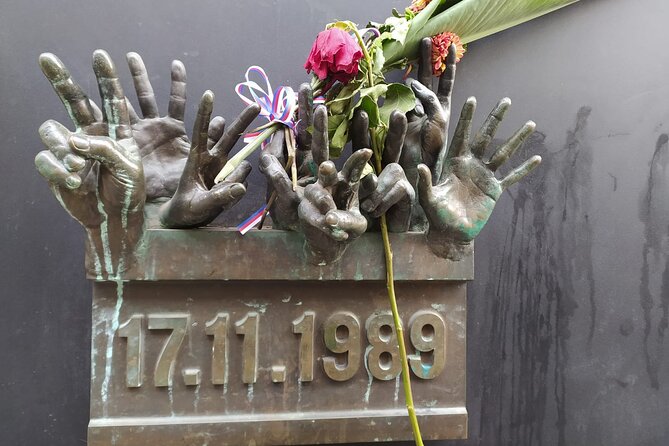
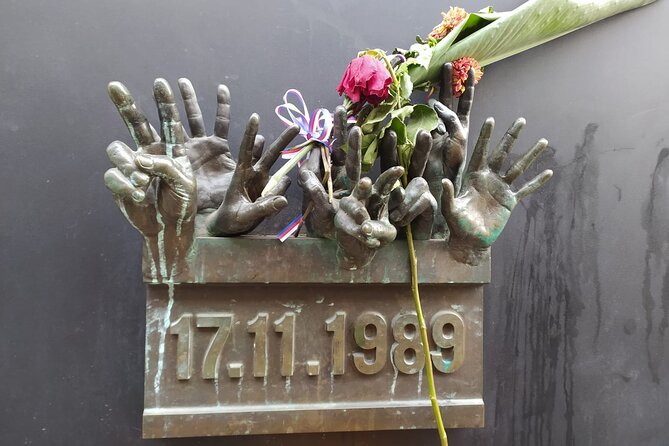
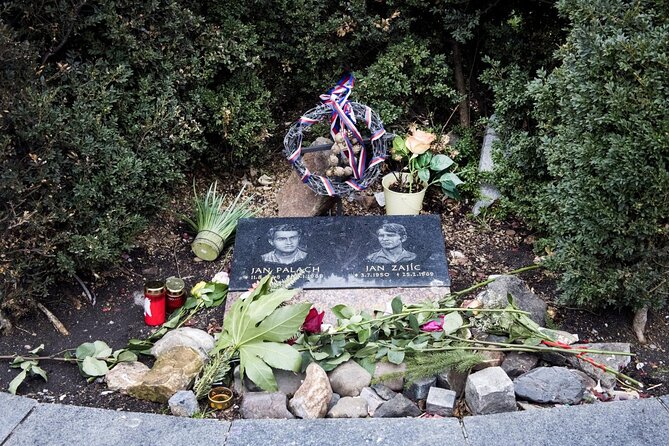
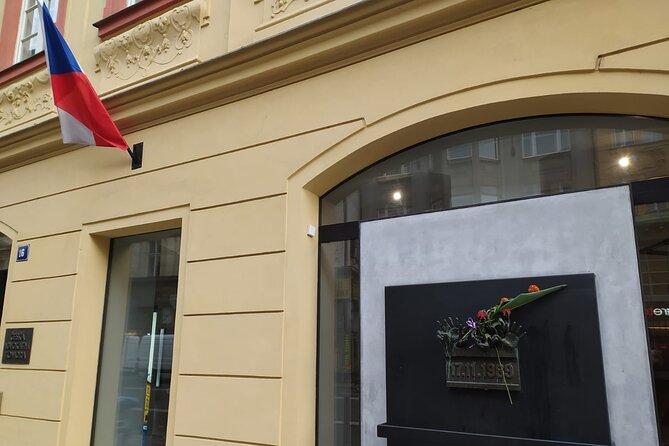
Stop three is hands reaching out of the wall on Narodni Trída. This is a memorial to victims of the Velvet Revolution, and it is where the tour’s emotional tone sharpens. You spend about ten minutes here, and that is enough time to absorb why the memorial exists and how the guide interprets the story behind it.
What makes this stop special is that it turns history into a physical, daily-life object. You are standing beside a reminder meant to be seen, not hidden. The guide explains the Velvet Revolution as one of the strongest moments in Czech modern history, and that context helps the memorial stop being just a striking sculpture and start being a record of real loss.
If you are the type who likes to understand events in human terms, this is where you may feel the strongest reaction. You might also appreciate the tour’s careful framing of how “then” connects to the present. Even when the guide keeps the focus on history, the lesson is hard to ignore: systems have consequences, and memory is how societies try to keep those consequences from repeating.
More lanes taken at street level:


How the guides shape your experience (Petr, Daniel, Marek, and Lukas Vraz)
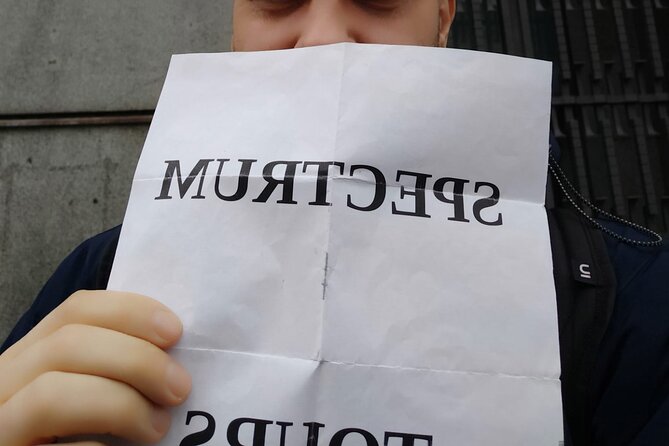
A big part of the value here is the people. This experience is offered by Spectrum Tours and includes both a local guide and a professional guide. That matters because it often means you get local specificity plus broader narrative framing.
From the guide names I saw associated with the experience, you might hear:
- Petr, who was noted for speaking very good German and giving clear, detailed explanations.
- Daniel, credited with a deep, problem-focused look at the era.
- Marek, praised for explaining communism through lived experience.
- Lukas Vraz and other Spectrum Tours staff, tied to responses that reflect the company’s focus on returning visitors to Prague.
You should expect the guide to talk in a way that is designed for questions, not just for listening. That is a strong fit if you like to ask, Why did people do this? What did that policy feel like day to day? How did public spaces change?
One small caution: the tour is about history, and the guide keeps things from turning into a partisan political scene. If you come expecting a modern political argument, you might find the structure frustrating. If you come for history and the human impact, you are in the right place.
Price and value: what $44.22 buys you in real terms
Let’s talk money in a practical way. At $44.22 per person for roughly two hours, you are paying for:
- Guided storytelling in English
- Two-guide support (local plus professional)
- A small-group format capped at 15
- A walking route with three free-to-stand stop sites
You do not have to budget for museum tickets at each location. That is a meaningful cost saver in Prague, where paid attractions can add up quickly.
More importantly, you are buying time with someone who can connect the sites to what life may have felt like. That is harder to do on your own, even if you research. If you want a guided route that keeps moving and stays focused, this is a reasonable match for your budget.
When I judge value on tours like this, I look for three things: clarity, pacing, and access. This one scores well on all three because it stays compact, uses strong locations, and keeps the group small enough for real interaction.
Timing, meeting point, and how to make the route easy
The tour starts at Na Příkopě 864/28, Nové Město, Praha-Praha 1, Czechia. It ends back at the meeting point. You will likely like that because it reduces the “how do I get back” headache. Plan to dress for standing and listening, not just walking.
The experience lasts about two hours. For most people, that is an easy window. If you are doing a busy Prague itinerary, this can slot in without chewing up an entire half day.
One planning detail I’d actually take seriously: on average, this tour is booked about 78 days in advance. That is a sign the limited group size and the topic draw demand. If this topic is high on your list, book earlier rather than later so you can pick a time that fits your schedule.
What it feels like on the ground: active, focused, and a bit chilling
This is for active people. You should be comfortable walking on city streets for around two hours. The tour is not described as super slow or full of long breaks, so wear shoes you trust.
Expect the emotional tone to be serious. The stories are meant to make you picture what surveillance and oppression can do to daily life. Multiple guides have been associated with “freezing” reactions in the past, which tells me the atmosphere can feel intense. In plain terms: bring a warm layer, and mentally prepare for heavy content.
Also, because the focus is on the places tied to communism and the Velvet Revolution, you may notice how the city’s visible parts still carry meaning. That is one of the best outcomes of walking this route, you stop seeing Prague as only beautiful architecture and start seeing it as a lived map of power and resistance.
Who should book, and who might want to think twice
This tour is a great fit if you:
- Want to understand the Cold War and communism in a way that connects to specific Czech locations
- Like small-group formats where you can ask questions
- Prefer active walking experiences over long museum sessions
- Enjoy history told by guides who can speak from experience
It may be less satisfying if you:
- Want a light, funny sightseeing walk with no heavy themes
- Are hoping for a long, museum-style deep reading time at each stop
- Get uncomfortable with standing outdoors in colder weather
If you are traveling solo or with a partner, the small group format can actually feel reassuring. If you are with friends, it is easy to share questions and reactions without feeling split from the story.
Should you book Back to Communism in Prague?
Yes, if you want a compact, English-guided route that turns Cold War history into something you can see and ask about. The value is strong because you get free stops, a small maximum group size, and guidance that stays focused on how communism affected real life, ending with the emotional anchor of the Velvet Revolution memorial.
I would book it if you are the kind of person who likes practical understanding, not just dates. If you are sensitive to heavy topics or you are visiting in cold weather, just plan for warmth and emotional space, and you will get a meaningful experience out of the two hours.
FAQ
Where is the tour meeting point?
The tour starts at Na Příkopě 864/28, Nové Město, 110 00 Praha-Praha 1, Czechia.
When does the tour end?
It ends back at the meeting point.
How long is the walking tour?
It lasts about 2 hours.
How much does it cost?
The price is $44.22 per person.
Is the tour offered in English?
Yes, it is offered in English.
Is there an admission fee for the stops?
The tour stops listed are marked as free for admission.
What is the group size limit?
The tour has a maximum of 15 travelers.
Will I get a ticket on my phone?
Yes, it includes a mobile ticket, and you receive confirmation at the time of booking.
Are children allowed?
Children must be accompanied by an adult.
Are service animals allowed?
Yes, service animals are allowed.
Can I cancel for free?
Free cancellation is available. You can cancel up to 24 hours in advance for a full refund.
Newly posted under the arches of Prague

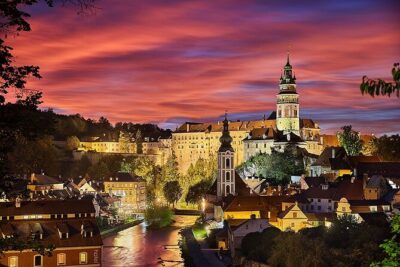
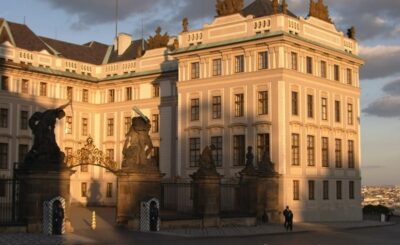
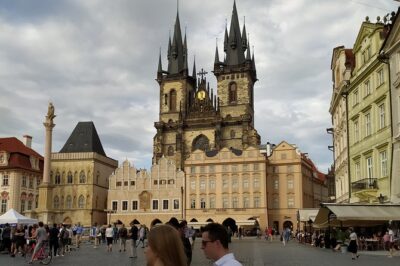
Communist History & Cold War Walks, compared.
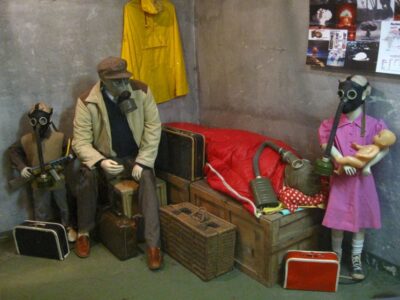
Communism History and Nuclear Bunker Guided Tour
Read our review →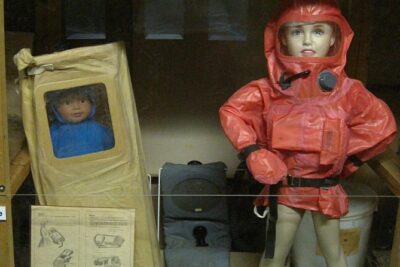
Prague Communism History and Nuclear Bunker Tour
Read our review →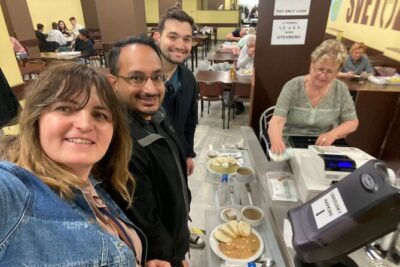
Communism & Nuclear Bunker Tour + 70s Canteen Lunch (own expense)
Read our review →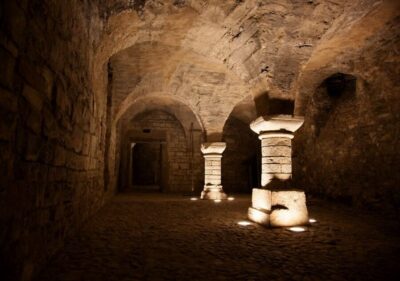
WWII Guided Tour & The Crypt of Operation Anthropoid
Read our review →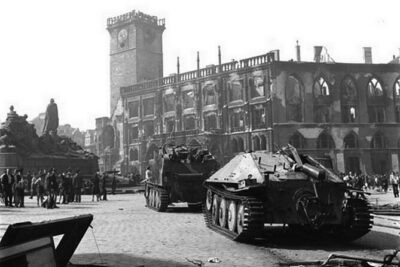
WWII in Prague Tour & The Crypt of Operation Anthropoid
Read our review →
Communism and Bunker Tour with 70s Canteen Lunch
Read our review →
Small-Group World War 2 & Operation Anthropoid Tour in Prague
Read our review →Browse the lists this tour appears in