
Reviewed · COMMUNIST HISTORY & COLD WAR WALKS
Prague: 2-Hour Back to Communism Walking Tour
Communism Prague has surprising street corners. In this 2-hour walking tour, you follow the physical clues of Soviet-era power and everyday life, guided by someone who lived through it. I really like the local, firsthand perspective, and I like that you do not just point at buildings, you also talk through cause and effect, including the pros and cons of the system. The main drawback to consider is that, like many group tours, the experience can depend on the language and the day’s guide flow, so ask questions if you want the most value.
Before you even start walking, you get a clear intro to socialism and communism: how it rose in the 1800s, how it spread across Central and Eastern Europe, and how that theory turned into real policy. You then move through key Prague locations tied to the communist era, including the former secret communist police headquarters and the former spot of the Stalin statue, plus places tied to demonstrations, rebellions, revolutions, and Soviet occupation.
Plan for a focused city walk with some intense themes. Expect some areas to feel heavy even now, and bring your passport or ID, since you cannot travel with luggage or large bags. If you are sensitive to political history topics or want something more cheerful, this may not be your best fit, but if you want context you can actually see, it works.
In This Review
- Key things I’d center in your decision
- Why this Prague communist-era walk works
- Start on Na Příkopě, then get moving
- The lesson before the streets: socialism, communism, and how it traveled
- Former secret communist police headquarters: the place where fear lived
- The former Stalin statue spot: symbolism and propaganda in stone form
- Communist party seats, plus protests and revolutions in the same walking map
- Cold War life explained through everyday details
- Price and value: is $50 for 2 hours fair?
- Timing, pace, and what to wear
- Language and group format: when private pays off
- Who this tour fits best
- Should you book the Prague Back to Communism walking tour?
- FAQ
- How long is the Prague Back to Communism walking tour?
- Where do I meet the guide?
- What languages are available?
- Is the tour wheelchair accessible?
- Do I need to bring ID?
- Are large bags or luggage allowed?
- Is free cancellation available?
Key things I’d center in your decision
- Firsthand local storytelling from guides who lived through the era, not just textbooks
- Theory to street-level reality, starting with socialism and turning into real Prague sites
- Major landmarks of control and punishment, including the former secret communist police headquarters
- Regime symbolism explained, including the former Stalin statue spot and what it meant
- Protests and occupation footprints, where you learn how unrest shaped the timeline
Why this Prague communist-era walk works
Prague is a city of layers, but most people only skim the surface. This tour forces you to look at the architecture of control: where power sat, where people were watched, and where resistance showed up in public space. In a short time, you get a story that connects theory, dates, and the uncomfortable parts of daily life.
I also like the tone. You are not pushed into one emotional extreme. The guide talks about advantages and disadvantages, and you are explicitly invited to ask questions, which helps you build your own picture.
Finally, it is tightly timed. You are not committing to a long day, so it is easier to pair with the rest of your Prague itinerary without feeling like communism swallowed your whole trip.
Start on Na Příkopě, then get moving
Your meeting point can vary based on the option you book, with two common starting spots on Na Příkopě: 28 or 864. Either way, you will start the walking portion soon after a short historical orientation, so you are not wandering around wondering what you are supposed to look at.
This matters more than you might think. If you hate waiting and you prefer a clear plan, you will appreciate the structure. Also, because it is a walking tour, keep your day flexible for a 1 to 2 hour commitment and be ready to move on foot.
One small planning tip: bring just what you need. Luggage or large bags are not allowed, so keep it to essentials, especially if you are transferring from another part of town.
Other communist-era and Cold War history walks:
- Prague: Communism History and Nuclear Bunker Guided Tour
★ 4.7 · 2,417 reviews - Prague Communism History and Nuclear Bunker Tour
★ 5.0 · 1,742 reviews - Communism & Nuclear Bunker Tour + 70s Canteen Lunch (own expense)
★ 5.0 · 1,036 reviews
The lesson before the streets: socialism, communism, and how it traveled
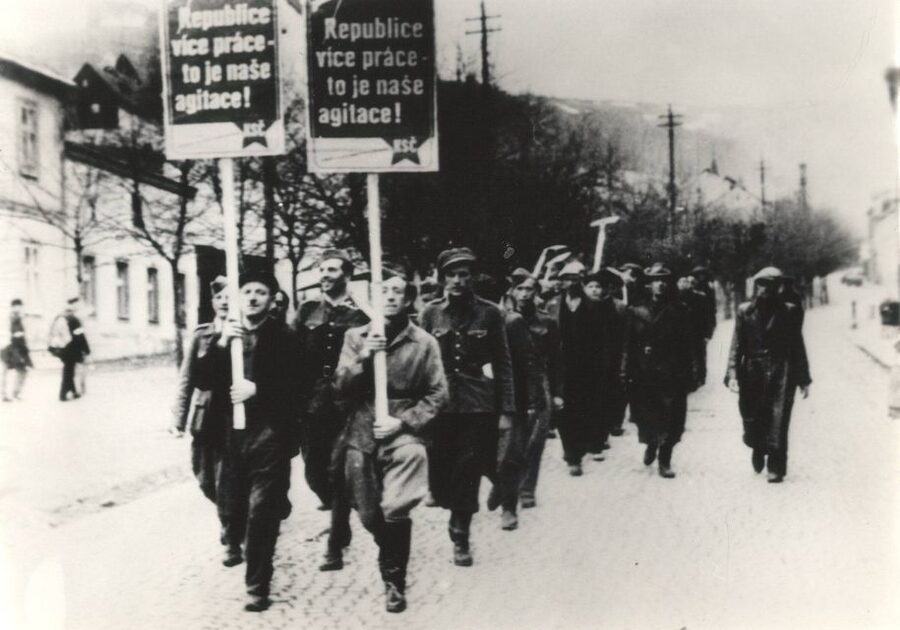
The tour begins with an introduction to the history and theory of socialism and communism. You cover how the ideas rose in the 19th century and how they spread into Central and Eastern Europe. Then you bridge that story toward the Prague context, since Prague has been a capital city in the former Czechoslovakia and later the Czech Republic.
I like this setup because it gives you a frame. Without it, some sites can feel like random monuments or dark backdrops. With it, you start noticing patterns: political language, the push for social change, and then the machinery that turned ideology into enforcement.
You will also hear about important personalities, dates, and milestones. That is useful because Prague’s communist era includes a lot of turning points, not just one big event. If you are history-busy during your trip, this short primer helps you make sense of what you are looking at.
Former secret communist police headquarters: the place where fear lived
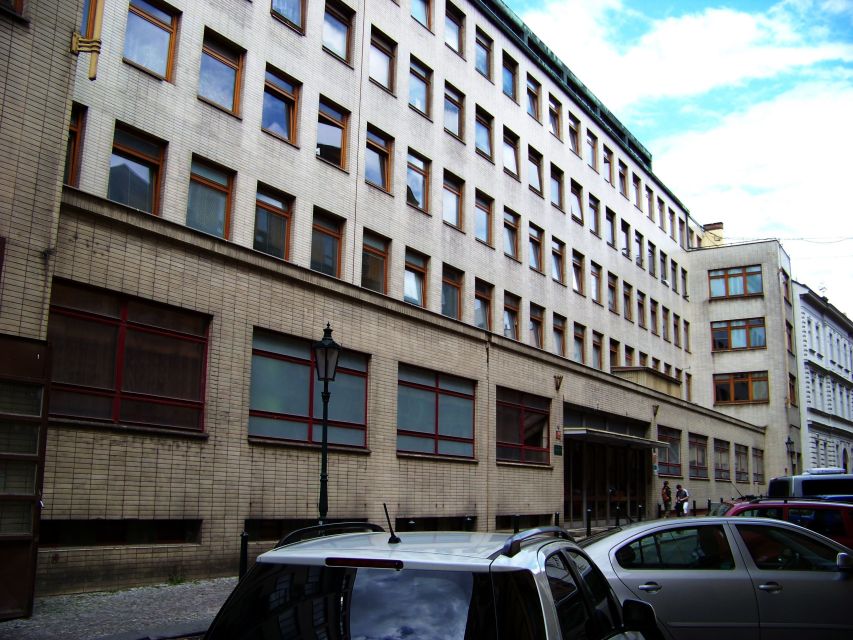
One of the tour’s main anchors is the former secret communist police headquarters. This is not just a photo stop. Your guide uses the location to explain how surveillance and control worked in practice.
This stop tends to hit hardest for visitors for a simple reason: the building is an object you can point to. It makes abstract ideas real. You start to understand what it meant when people had to think twice about what they said, who they trusted, and what they did.
A consideration here: the topic is heavy. If you prefer light city history, you might find it intense. But if you want honest context, you will likely appreciate how the tour connects the building to day-to-day consequences rather than treating it like a spooky museum.
More lanes taken at street level:
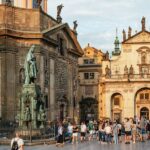

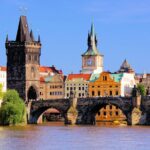
The former Stalin statue spot: symbolism and propaganda in stone form
Next comes the former spot of the Stalin statue. Even if you never see the original figure, the idea of that monument matters. Your guide explains what regime symbols were trying to do: shape loyalty, rewrite public memory, and signal who held the power.
I like this stop because it teaches you how to read political space. A statue is not just art or decoration. It is a statement, and it changes meaning once the political system changes.
If you are the type who likes “how did they convince people?” questions, this is a highlight. You will leave with a better sense of how propaganda used public landmarks to make ideology feel permanent.
Communist party seats, plus protests and revolutions in the same walking map
You also pass by the current and former seat of the Communist party. That is where the story shifts from policing and symbolism to governance and official power. You start seeing the communist era as a system with institutions, paperwork, and leadership, not only secret operations.
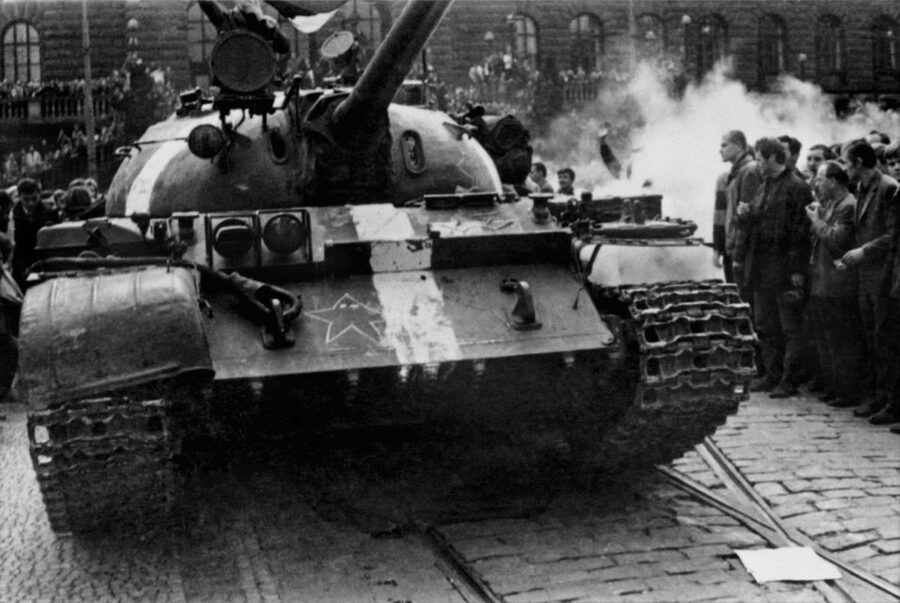
Then the tour moves into places tied to protests, demonstrations, rebellions, revolutions, and Soviet occupation. These stops give you the other side of the equation: how people pushed back, how public unrest shaped outcomes, and how external control showed up in Czech life.
This part is valuable because it prevents a one-sided narrative. Power is only half the story. Resistance is the other half, and you can often spot the difference in the kinds of places the guide points out. The buildings and streets become timeline clues.
One thing to keep in mind: your guide may describe some areas as still carrying depression today. That is not about being dramatic for effect. It is about how certain streets can feel weighed down when you understand what happened there.
Cold War life explained through everyday details
Where this tour really earns its ticket price is the way you hear about common life during the era. The local guides act like living footnotes. They describe how daily routines looked, how society functioned under the system, and what people had to plan for.
I like that you learn about both advantages and disadvantages. It is easy for political history tours to swing only toward misery or only toward nostalgia. Here, you get pros and cons, plus space to ask questions, so you can test what you are hearing against your own background and assumptions.
If your goal is to understand how politics hits regular people, not just leaders, this is the right style. You will leave with a clearer picture of how ideology became habits: what people did for work, how they navigated authority, and what it meant to live under constant pressure.
Price and value: is $50 for 2 hours fair?
At around $50 per person for a 1 to 2 hour walking tour, you are paying for three things: a local professional guide, access to key Prague sites linked to the communist era, and a structured narrative that ties it together.
For Prague, that price can feel steep until you consider what you are getting. A short tour becomes good value when the guide saves you from confusion. Here, you get a clear intro to the theory first, so the sites make sense immediately. You also get direct storytelling from someone with personal context, which is hard to replicate with self-guided reading.
That said, value also depends on what you want. If you are already a deep political history reader and you only want locations, you might prefer a cheaper DIY approach. But if you want interpretation, discussion, and a tight timeline, $50 can be a reasonable trade.
Timing, pace, and what to wear
You should treat this as a city walk, not a museum tour. The total duration is 1 to 2 hours, so you can expect frequent movement between stops and short explanations that build as you go.
Because it is a walking experience, wear comfortable shoes you trust. The communist era stops include some heavier content, and it helps if your body feels fine enough to focus on the story.
Also, because luggage or large bags are not allowed, travel light. If you already lug shopping bags or a bulky daypack, you might spend energy managing it instead of listening.
Language and group format: when private pays off
The tour is offered in Czech, English, and German. If you are choosing between languages, pick the one where you can comfortably follow discussion, ask questions, and catch the smaller details that make this type of history come alive.
Group dynamics matter too. The tour does offer private group availability, which can be a smart choice if you want more tailored Q&A or a slower pace for your questions. Even with groups, you are encouraged to ask, but private formats usually give you more time per person.
One more practical note: meeting point clarity is important since your start location can vary. Before you go, be sure you know exactly which Na Příkopě spot applies to your booking so you do not arrive late and miss the pre-walk briefing.
Who this tour fits best
I would book this if you want:
- A short, structured way to understand communism’s rise and how it affected Prague
- Real-life storytelling about everyday life under the system
- A mix of power sites and public resistance places, not just monuments
This is less ideal if you want a relaxed sightseeing walk or you dislike politically charged topics. It is also not the tour for you if you need to tote large bags, since the tour does not allow luggage or large luggage-sized items.
If you are a first-time visitor to Prague and want one history-focused experience that connects buildings to meaning, this is a strong match.
Should you book the Prague Back to Communism walking tour?
Yes, if your ideal Prague day includes context you can see and questions you can ask. This tour earns trust by pairing theory with street-level details, and by giving you a guide perspective rooted in lived experience. The major sites it covers, like the former secret communist police headquarters and the Stalin statue spot, are exactly the kind of locations that make abstract political history understandable.
I would hesitate only if you are sensitive to dark political themes, or if you want something light and purely scenic. Also, if you care a lot about delivery, choose your session language carefully and arrive ready to participate.
If that sounds like your kind of travel, book it and plan your other activities around it. You will look at Prague differently after the walk, in the most practical way possible.
FAQ
How long is the Prague Back to Communism walking tour?
The tour lasts about 1 to 2 hours.
Where do I meet the guide?
Meeting points can vary depending on the option you book. One starting option is Na Příkopě 28, and another is Na Příkopě 864.
What languages are available?
The tour is offered in Czech, English, and German.
Is the tour wheelchair accessible?
Yes, it is listed as wheelchair accessible.
Do I need to bring ID?
Yes, you should bring a passport or ID card.
Are large bags or luggage allowed?
No. Luggage or large bags are not allowed.
Is free cancellation available?
Yes. You can cancel up to 24 hours in advance for a full refund.
Newly posted under the arches of Prague

Communist History & Cold War Walks, compared.
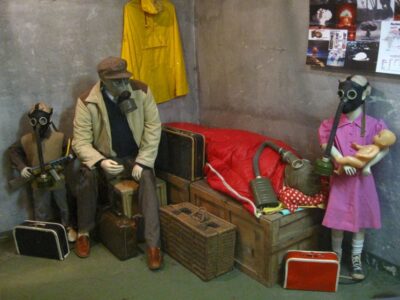
Communism History and Nuclear Bunker Guided Tour
Read our review →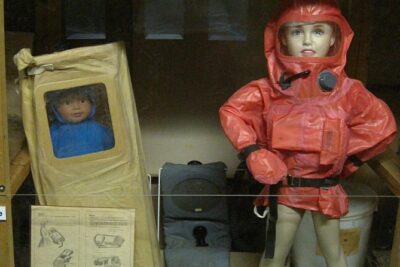
Prague Communism History and Nuclear Bunker Tour
Read our review →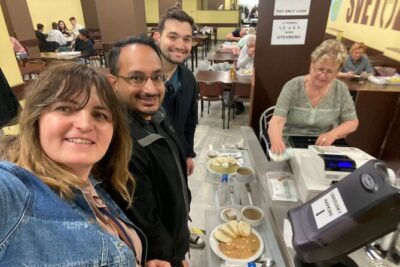
Communism & Nuclear Bunker Tour + 70s Canteen Lunch (own expense)
Read our review →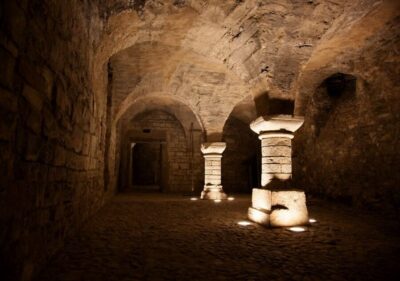
WWII Guided Tour & The Crypt of Operation Anthropoid
Read our review →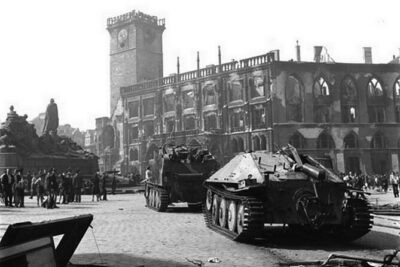
WWII in Prague Tour & The Crypt of Operation Anthropoid
Read our review →
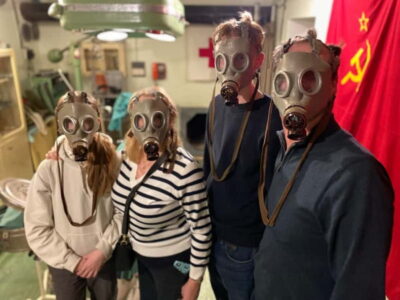
Communism and Bunker Tour with 70s Canteen Lunch
Read our review →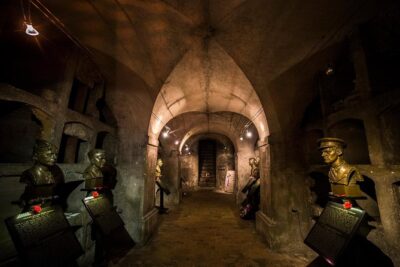
Small-Group World War 2 & Operation Anthropoid Tour in Prague
Read our review →Browse the lists this tour appears in