
Reviewed · COMMUNIST HISTORY & COLD WAR WALKS
Prague: Historical Walking Tour with Focus on World War 2
Prague turns darker fast when you walk it with a WWII focus. This 3-hour historical walk gives you the Czech context you usually miss, then matches the story to real places, including a former Gestapo headquarters and the route of the 1945 fighting. I especially like the way the tour starts with a clear lecture, then moves on to hands-on site viewing, plus the many photos the guide uses to explain what you are seeing. One possible drawback is that the subject matter is heavy and you need to stay on your feet and keep up if you want the full flow.
If you are comfortable walking and ready for emotionally serious moments, you will get a lot out of this tour for the price. The route also covers several well-known squares, but it is not a sightseeing lap, it is built around specific WWII events and what they meant for Czechs.
In This Review
- Key Things That Make This Tour Worth Your Time
- WWII in Prague, Explained Where It Happened
- Starting Point at Skautský Institut, Then Moving Fast
- The Lecture Portion: Why the Background Matters
- Former Gestapo Headquarters and the Minute of Silence
- A Nazi-Linked Hotel Stop That Shows Power Up Close
- Prague Uprising 1945 Stops: Squares and Czech Radio
- Reinhard Heydrich: Context, Assassination, and Consequences
- The Crypt Beneath a Church: The Last Resistance Site
- How the Guide’s Photos and Commentary Keep It Clear
- Value: Is $58 for 3 Hours Fair?
- Who This Tour Fits Best
- Practical Tips Before You Go
- Should You Book This WWII Walking Tour?
- FAQ
- How long is the Prague WWII walking tour?
- How much does the tour cost?
- Where do I meet the tour guide?
- What languages are offered for the tour?
- Is the tour wheelchair accessible?
- Is this tour suitable for children?
- What should I bring?
Key Things That Make This Tour Worth Your Time
- A lecture that sets the Czech storyline before you hit the streets, so the sites make sense
- Former Gestapo headquarters with a guided memorial moment, not just a quick look
- Prague Uprising 1945 key fights tied to Old Town Square, Wenceslas Square, and Czech Radio
- Reinhard Heydrich assassination context plus the final resistance site linked to the plot
- Photos and professional commentary that help you “read” the buildings and streets
- A licensed local guide in German, Czech, and English who keeps the pace moving
WWII in Prague, Explained Where It Happened
This tour works because it refuses to treat Prague as a postcard background. Instead, it treats the streets like evidence. You get a theoretical introduction to WWII and an explanation of Czech history, then you leave the classroom and start walking to the places where key moments played out.
You can feel the difference right away. The lecture is not just dates. It is built to help you understand why Prague mattered, why Czech resistance mattered, and why the Nazis were so focused on control inside the country. If you like history with structure, this format will click.
And once you are out in the open air, the guide ties the story to physical landmarks. I like that you are not left with vague “and then something happened.” You are shown specific locations, explained with photos, and given professional comments so you can connect the dots while you still have the street in front of you.
Starting Point at Skautský Institut, Then Moving Fast
The meeting point is outside the entrance door to Skautský Institut, inside an archway. The guide holds a paper that says Spectrum Tours, so it is usually easy to spot. If you chose a different pickup option, the start location can vary, but the tour itself is a 3-hour guided walk through the core sites.
Bring comfortable shoes. This is a walking tour, and the content is dense, so it is not a “linger at every café” outing. If you want a slow museum pace, you might feel rushed here. But if you want momentum and clarity, the schedule makes sense.
You also end in a different place than you start, at Resslova 9a in Prague 2-Nové Město. That is convenient because it lines up with the walking route and keeps the tour efficient.
Other communist-era and Cold War history walks:
- Prague: Communism History and Nuclear Bunker Guided Tour
★ 4.7 · 2,417 reviews - Prague Communism History and Nuclear Bunker Tour
★ 5.0 · 1,742 reviews - Communism & Nuclear Bunker Tour + 70s Canteen Lunch (own expense)
★ 5.0 · 1,036 reviews
The Lecture Portion: Why the Background Matters
A big part of this experience is the complete theoretical acknowledgment, meaning you get a full setup before the tour starts pointing at plaques and buildings. The guide explains WWII in general, but more importantly, they connect it to Czech history and the problematics that came with occupation and resistance.
Why I think that matters: Prague is full of history, but without context it is easy to see only architecture and miss meaning. Here, the guide lays the groundwork so that when you later hear about assassinations, reprisals, and uprisings, you are not just memorizing names. You understand the stakes.
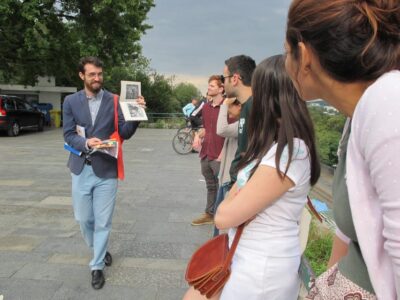
The tour also includes lots of photos during the walk. That is a practical touch. Old photos can show details your eye misses in real time, and they help you imagine what the street and buildings looked like during the events being discussed.
Former Gestapo Headquarters and the Minute of Silence
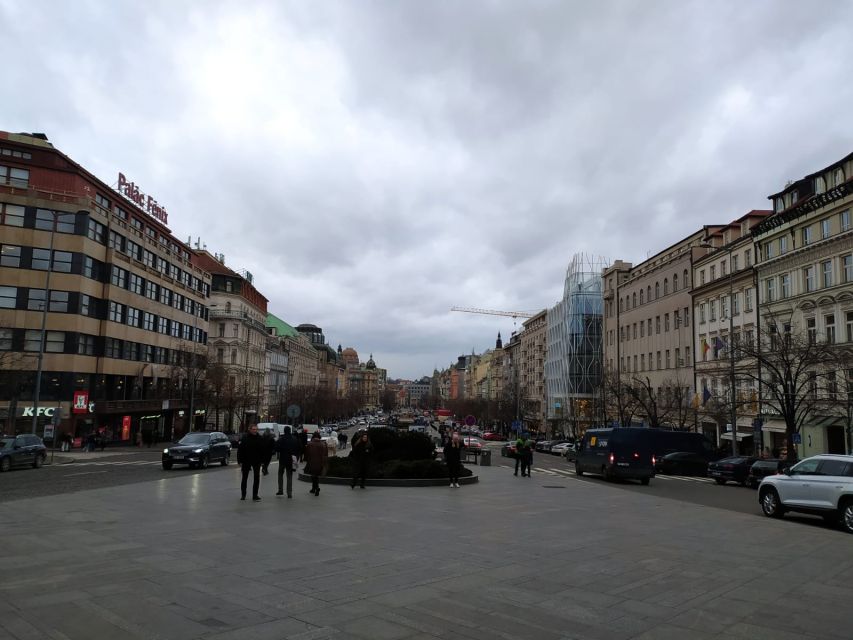
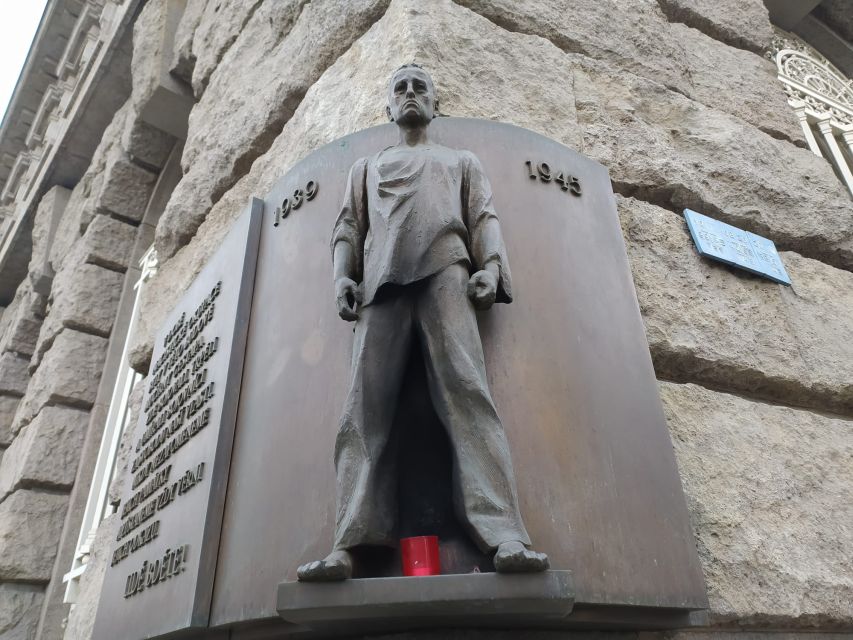
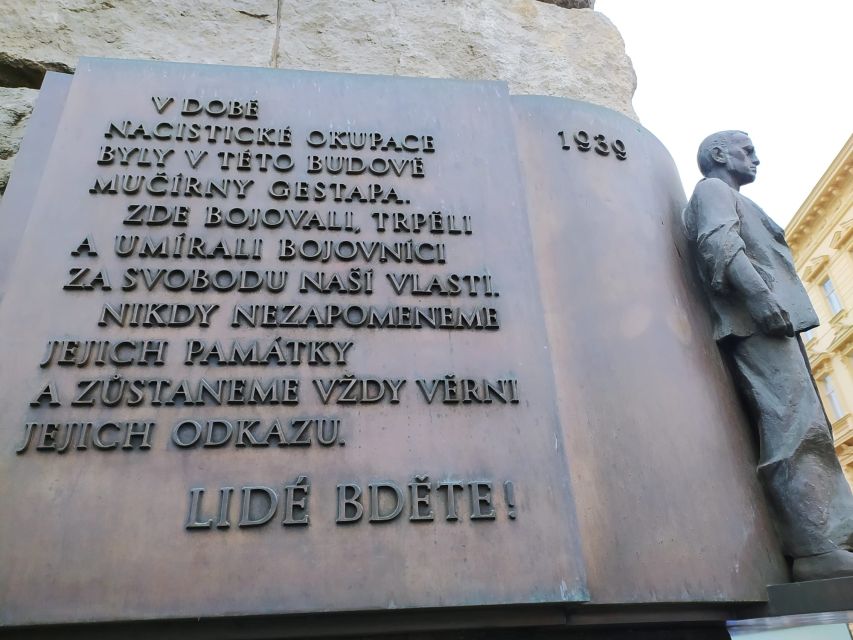
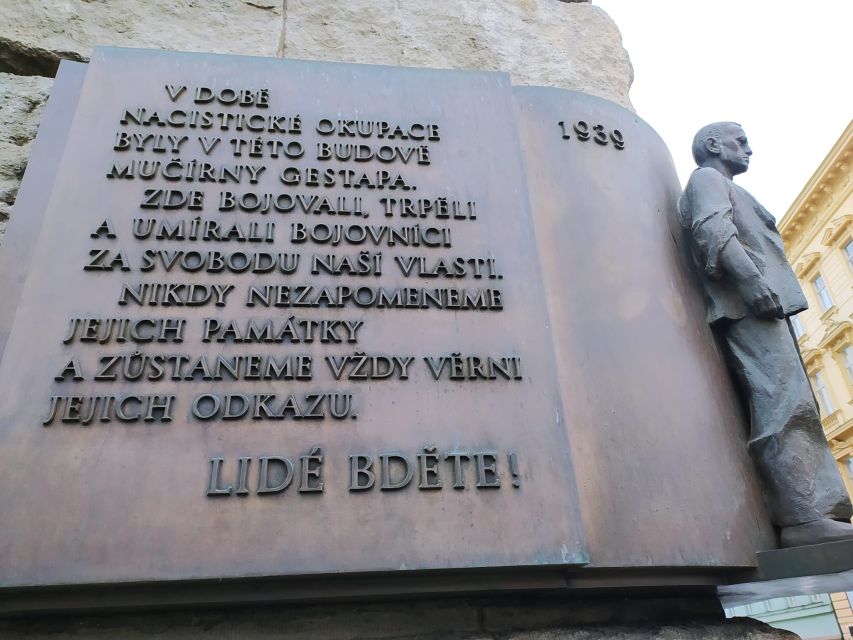
One of the most powerful parts of the tour is the visit to the former Gestapo headquarters, including a memorial moment. The format includes a minute of silence at the site, as a memorial to the victims of Nazism.
This is not the kind of stop you treat like a quick photo stop. If you want to get the most out of it, plan to slow down mentally. Let the guide’s framing do its work, and take the silence seriously. It changes how you experience the building, because you are no longer looking at bricks. You are thinking about what happened inside the system that used that space.
It can also set the emotional tone for the rest of the tour. After this stop, the assassination discussion and the Prague Uprising fighting sites land harder, because you have the moral and historical weight in your head.
More lanes taken at street level:

A Nazi-Linked Hotel Stop That Shows Power Up Close
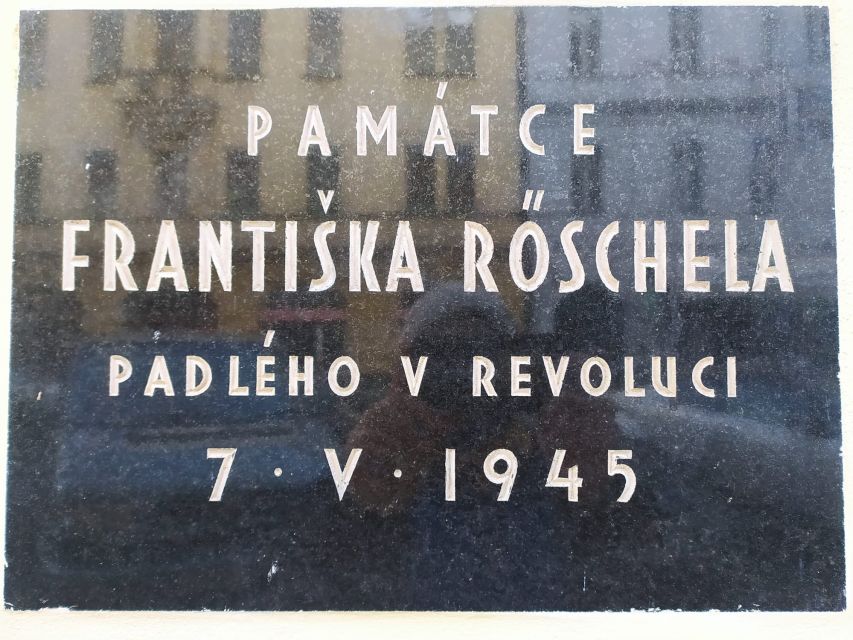
You also visit a hotel that was formerly popular among Nazi dignitaries. This kind of stop is useful because it shifts the story from battles and speeches to daily reality: where power lived, where decisions were made, and how occupation touched normal life.
The value here is perspective. Instead of treating the Nazis only as distant villains, you see how their presence got embedded into places ordinary people could walk past. Even without going into every operational detail, the site helps you understand how control functioned through systems and status, not only through guns.
If you prefer tightly connected “cause and effect” history, you will probably like this stop. It bridges the lecture and the more dramatic moments later in the tour.
Prague Uprising 1945 Stops: Squares and Czech Radio
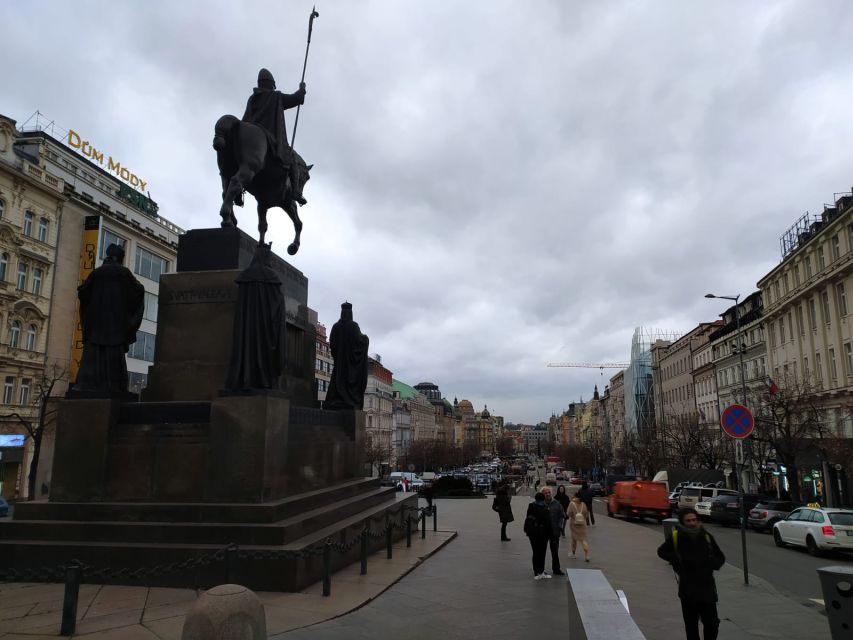
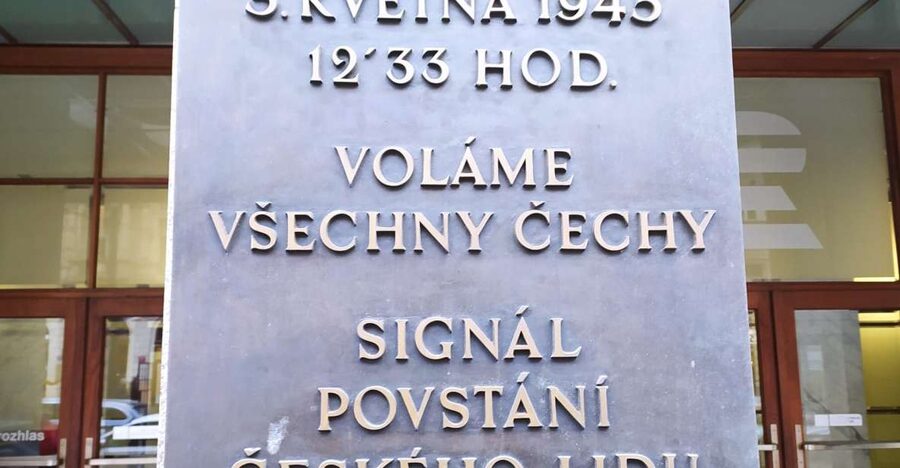
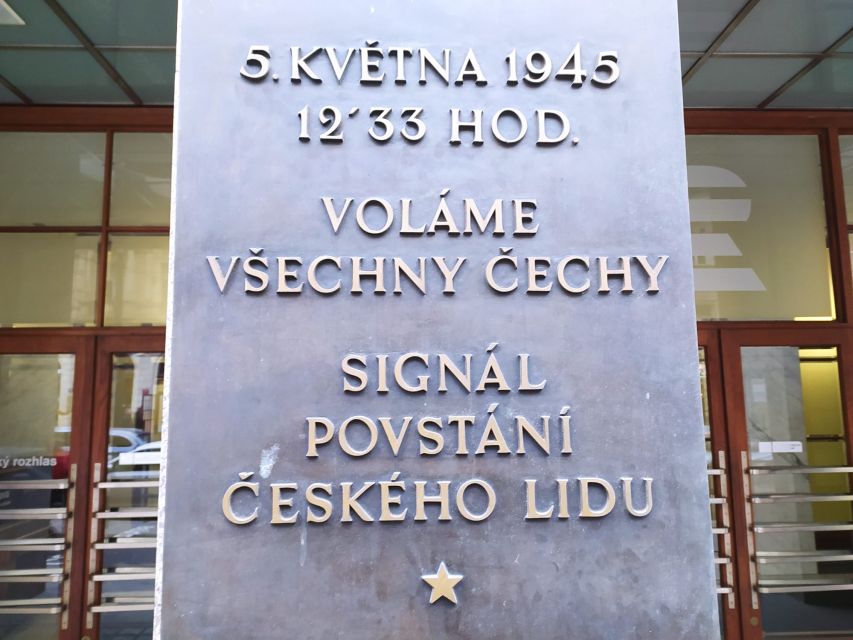
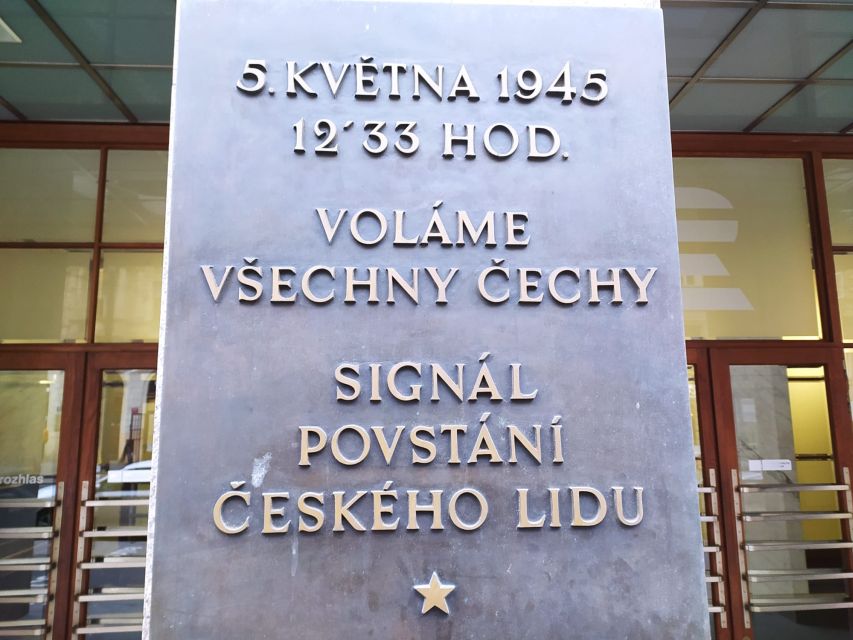
The tour covers the places of the heaviest fights during the Prague Uprising in May 1945. You visit key locations such as Old Town Square, Wenceslas Square, and the Czech Radio Headquarters.
Here is how these stops can feel different depending on what kind of history you enjoy:
- Old Town Square helps you see how the uprising played out in central, symbolic space. It is easy to romanticize Prague’s center, but the guide reframes it around conflict.
- Wenceslas Square gives you scale. It is a wide, important avenue, and that matters when the story is about movement, pressure, and public power in the final months of the war.
- Czech Radio Headquarters is especially meaningful for understanding communication and control. When you hear the story tied to this location, it helps you grasp why capturing messaging and influence mattered as much as winning fights.
One practical note. These are famous locations, so you may notice crowds if you go at a busy time of day. The tour keeps you focused by steering you away from random sightseeing and toward the specific story beats. If you are the type who likes to stare at buildings on your own, you might wish you had more time here. But for a 3-hour tour focused on WWII events, the pacing is part of the point.
Reinhard Heydrich: Context, Assassination, and Consequences
The tour includes a detailed discussion of the assassination of Reinhard Heydrich, one of the highest-ranking Nazis until 1942. The guide connects his role to why his death mattered and how the occupation responded afterward.
This portion is not just about the act. It is about the historical logic around it. Heydrich was not a minor figure, and his position made the consequences larger. By explaining his rank and role, the tour helps you understand why the aftermath affected resistance members and civilians across Prague.
If you have ever left an “assassination tour” feeling like it was only a dramatic headline, this one is designed to do better. The tour builds the human and political chain of events so you see how one moment triggered reactions.
The Crypt Beneath a Church: The Last Resistance Site
After discussing the assassination, the tour takes you to the place of the last resistance and death of the members involved. The stop is a crypt beneath a church, described as an incredibly impressive place.
This is the kind of site that changes how you understand the story. The assassination might be the headline, but the crypt emphasizes what happened next, the cost, and the final endurance of the people involved. It is a physical reminder that resistance was not theoretical.
Emotionally, this can be one of the hardest stops on the route. Go in with a mindset for reflection, not a quick photo.
And because the tour includes professional comments and guiding context, you are more likely to leave with a clear narrative instead of only a list of locations.
How the Guide’s Photos and Commentary Keep It Clear
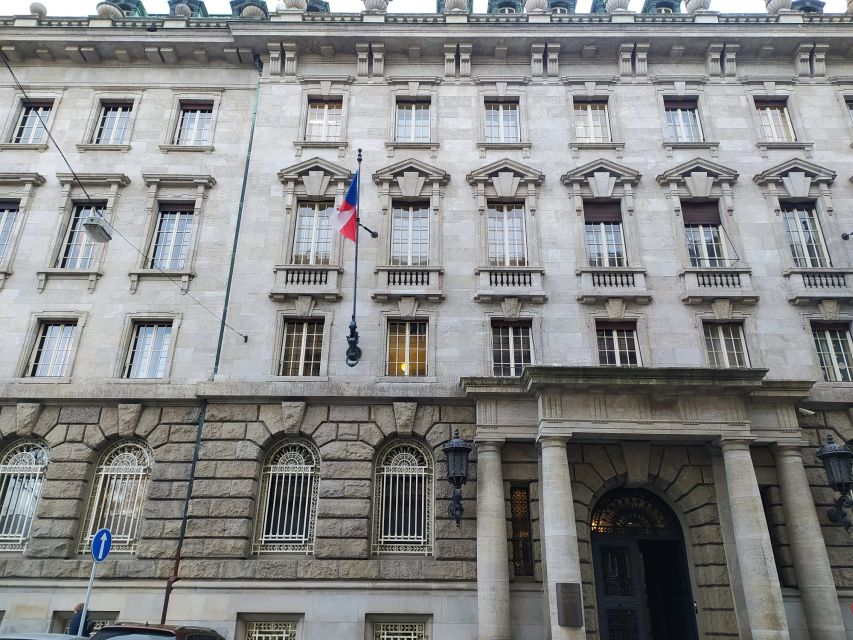
What makes this tour feel “organized” is the use of visual material. The guide shows many photos throughout the walking route and gives professional comments and explanations. That combination helps you connect present-day streets to past events.
I like this approach because Prague can make it tempting to treat everything like “pretty old stones.” Photos and commentary prevent that. They provide a second layer of understanding, letting you compare what you see now with what happened then.
It also helps with pace. A 3-hour walk is short, so instead of spending all the time describing, the guide uses photos to compress meaning without leaving you behind.
Some feedback I took into account notes that a few key tourist sites may not get as much depth as some people want. If you are the type who expects a long, slow museum-style lecture at every famous stop, you might want to follow up on your own afterward. But within the time window, the tour structure is designed to move the WWII storyline forward.
Value: Is $58 for 3 Hours Fair?
At $58 per person for a 3-hour WWII-focused walk, you are paying for more than access to a guide. You are buying interpretation, pacing, and context. Prague has plenty of historical sights you can visit on your own, but “WWII meaning” is the hard part.
Here is what you are getting for the money based on what is included:
- A professional licensed local tour guide
- Live guidance in German, Czech, or English
- Heavy narrative structure with theory and history tied to specific sites
- A stop sequence built around WWII events, not random landmarks
- Many photos used as explanations along the way
So the value angle is simple. If you want to understand what happened and why, the guide earns the price. If you only want to take photos of iconic squares, then this might feel expensive compared with a self-guided day. But if you want history that makes sense while you walk, $58 starts to look like a reasonable shortcut.
Who This Tour Fits Best
This tour is a good match for:
- Adults who want WWII history from the Czech angle
- Travelers who like walking routes with a clear story arc
- People comfortable with serious themes, including memorial moments
- Visitors who appreciate visual aids like photos and structured explanations
It is less ideal if:
- You need a child-friendly tone, since it is not suitable for children under 10
- You want lots of free time at each landmark
- You prefer a more casual, flexible pace rather than an information-dense walk
Practical Tips Before You Go
A few practical points help you get the most out of the experience:
- Wear comfortable shoes. You will be walking and keeping up with the guide.
- Bring a passport or ID card.
- Plan on being mentally present. The minute of silence and the crypt stop require more than casual attention.
- If you care about pace, arrive a few minutes early so you can start smoothly at the Skautský Institut archway meeting point.
If you have mobility needs, the tour is listed as wheelchair accessible, which is a helpful factor for planning.
Should You Book This WWII Walking Tour?
I think you should book it if you want Prague history that is not just decorative. This is a guided story with Czech history at the center, and it uses real locations tied to WWII events you can actually stand on. The former Gestapo headquarters memorial moment and the Prague Uprising stops give the tour real weight.
You might skip it if you want only light sightseeing or if emotionally heavy history is not your thing today. Also consider that a 3-hour format means less time for drifting around famous places on your own.
If you are deciding right now, here is the simple test. Ask yourself if you want to understand the why behind the streets. If the answer is yes, this tour is a strong way to spend a short, meaningful afternoon in Prague.
FAQ
How long is the Prague WWII walking tour?
The guided tour lasts 3 hours.
How much does the tour cost?
The price is $58 per person.
Where do I meet the tour guide?
Meet outside the entrance door to Skautský Institut in an archway. The guide will be holding a paper that says Spectrum Tours.
What languages are offered for the tour?
The live guide is available in German, Czech, and English.
Is the tour wheelchair accessible?
Yes, the tour is listed as wheelchair accessible.
Is this tour suitable for children?
It is not suitable for children under 10 years.
What should I bring?
Bring a passport or ID card, and wear comfortable shoes.
Dynasties in a Walk
- Prague: Oldtown, Medieval Underground & Dungeon History Tour★ 4.3 · 10,277 reviews
- Prague Old Town, Medieval Underground and Dungeon Historical Tour★ 4.5 · 3,227 reviews
- Prague: Historic City Center Bus Tour with Top Sights★ 4.4 · 2,360 reviews
- Prague Historic Pub Tour with Drinks Included★ 5.0 · 2,084 reviews
Newly posted under the arches of Prague

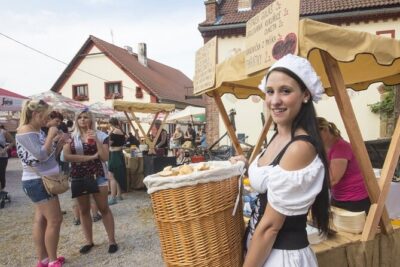
Communist History & Cold War Walks, compared.
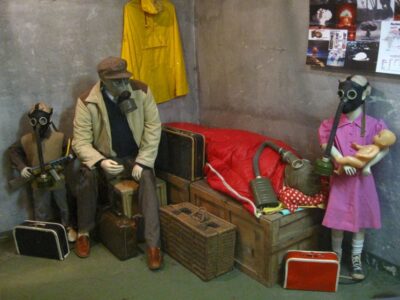
Communism History and Nuclear Bunker Guided Tour
Read our review →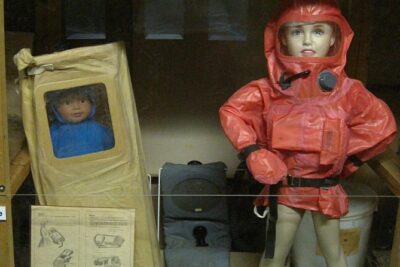
Prague Communism History and Nuclear Bunker Tour
Read our review →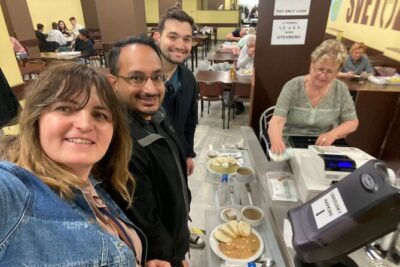
Communism & Nuclear Bunker Tour + 70s Canteen Lunch (own expense)
Read our review →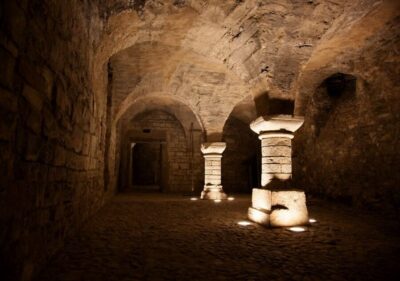
WWII Guided Tour & The Crypt of Operation Anthropoid
Read our review →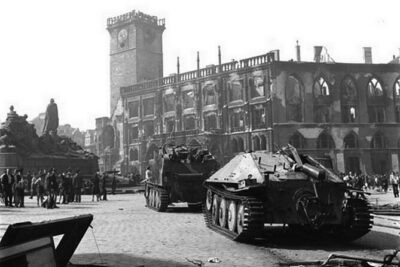
WWII in Prague Tour & The Crypt of Operation Anthropoid
Read our review →
Communism and Bunker Tour with 70s Canteen Lunch
Read our review →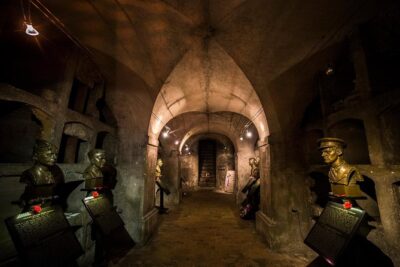
Small-Group World War 2 & Operation Anthropoid Tour in Prague
Read our review →Browse the lists this tour appears in